I want salmon for dinner tonight. Not the kind that requires me to scrub a baking sheet or stand over a skillet, timing each flip. I want the version where I toss some ingredients onto a piece of foil, fold it up, and let the oven do the heavy lifting. That’s where we are right now. I have a beautiful filet of salmon in the fridge, a lemon that’s about to roll off the counter, and a vague memory of a garlicky butter sauce that I know will work. The only thing I don’t have is a plan for a complicated cleanup.
This easy lemon garlic salmon in foil packets is that plan. Honestly, it’s the kind of recipe that feels like a cheat code. You get perfectly cooked, flaky fish that’s infused with bright citrus and savory garlic, all while the foil packet traps every bit of moisture and flavor. No drying out, no fishy smell lingering in the kitchen. Just a neat little parcel of deliciousness that you can take straight to the table.
I stumbled onto this method during a week where I had zero energy but a real craving for something that felt special. The first time I opened that foil packet and saw the steam rise with that lemony, garlicky aroma, I knew I had found my weeknight hero. It’s not just dinner; it’s a small moment of peace, knowing that something this good came together with almost no effort. You deserve that kind of win on a busy Tuesday.
Why You’ll Love This Recipe
This isn’t just another salmon recipe. It’s the one you’ll come back to again and again because it solves real problems. I’ve tested this method more times than I can count, tweaking the butter ratio and the garlic amount until it was just right. Here is why it works so well.
- Quick & Easy : From start to table in under 25 minutes. The active prep time is maybe 5 minutes. Perfect for those nights when you’re starving and want something that feels like a restaurant meal without the wait.
- Simple Ingredients : You probably have everything already. Salmon, lemon, garlic, butter, salt, pepper. That’s it. No fancy grocery trips or obscure spices required.
- Perfect for Busy Weeknights : This is the ultimate low-stress dinner. You can prep the packets ahead of time and just pop them in the oven when you’re ready. It’s great for meal prep too.
- Crowd-Pleaser : Even people who claim they don’t love fish usually go for this. The lemon and garlic are familiar, and the cooking method keeps the salmon mild and tender. It’s a safe bet for guests.
- Unbelievably Delicious : The texture is what gets me every time. The salmon comes out so moist it almost flakes with a fork’s glance. The butter and lemon create a light sauce that you’ll want to spoon over everything on your plate.
What makes this different from every other salmon recipe out there is the foil packet itself. It’s a tiny steamer. The fish cooks in its own juices and the aromatics, so the flavor is concentrated and pure. There’s no risk of overcooking the outside while the inside is still raw. It’s foolproof, even if you’re new to cooking fish. This is the kind of meal that makes you close your eyes after the first bite, not because it’s complicated, but because it’s so perfectly simple.
What Ingredients You Will Need
This recipe uses a short list of fresh, wholesome ingredients to create something truly memorable. Each one plays a specific role, so let’s talk about what you need and why it matters.
- Salmon Fillets (4 pieces, about 6 ounces each): Look for fillets that are roughly the same thickness so they cook evenly. I prefer center-cut fillets for their uniform shape. Skin-on or skinless both work here. If you leave the skin on, it will steam and become tender, and it’s easy to remove after cooking. For the best flavor, I like wild-caught salmon when it’s in season, but good-quality farmed salmon is perfectly fine and often more affordable.
- Unsalted Butter (4 tablespoons, softened): Butter is the backbone of the sauce here. It adds richness and helps carry the flavors of the lemon and garlic. I use unsalted so I can control the salt level. If you only have salted butter, just reduce the added salt by a pinch. Let it soften slightly so it spreads easily over the fish.
- Garlic (4 cloves, minced): Fresh garlic is non-negotiable here. The pre-minced stuff in a jar has a different, sharper flavor that doesn’t mellow as nicely. You want the garlic to perfume the butter and the salmon as it cooks. Mince it finely so it distributes evenly.
- Lemon (1 large lemon): You’ll need both the zest and the juice. The zest gives you that bright, floral lemon aroma without the harsh acidity, while the juice adds the necessary tang. Roll the lemon on the counter before juicing to get the most out of it. I recommend using a fresh, firm lemon for the best flavor.
- Fresh Dill (2 tablespoons, chopped): Dill and salmon are a classic pairing. It has a slightly sweet, grassy flavor that complements the richness of the fish. If you don’t have dill, you can use fresh parsley or chives. Dried dill works in a pinch, but use half the amount.
- Salt and Black Pepper (to taste): Don’t be shy with the seasoning. Salmon needs a good amount of salt to bring out its flavor. Use a flaky sea salt like Maldon for finishing, or regular kosher salt for the main seasoning. Freshly cracked black pepper adds a gentle warmth.
- Optional Vegetables (asparagus spears, green beans, or zucchini slices): If you want to make this a complete one-packet meal, add a handful of quick-cooking vegetables. They’ll steam right along with the salmon. Just make sure they are cut into similar-sized pieces so they cook at the same rate.
Equipment Needed
You don’t need a lot of fancy gear for this recipe, which is part of its charm. Here is what you’ll need to get the job done.
- Aluminum Foil: The star of the show. Use heavy-duty foil if you have it. It’s less likely to tear when you’re folding the packets. You’ll need one large sheet per salmon fillet, about 12 by 18 inches each.
- Baking Sheet: A rimmed baking sheet is perfect for holding the foil packets. The rim catches any stray juices if a packet happens to leak. A half-sheet pan is the ideal size.
- Chef’s Knife and Cutting Board: For mincing the garlic and chopping the dill. A sharp knife makes the prep work feel effortless.
- Microplane or Zester: For getting the lemon zest without the bitter white pith. A fine grater works too.
- Small Bowl: To mix the compound butter. You can also do this right on the cutting board if you’re trying to save dishes.
- Instant-Read Thermometer (optional but recommended): This is the best way to guarantee perfectly cooked salmon. You’re looking for an internal temperature of 125°F to 130°F for medium-rare to medium. I’ve learned the hard way that guessing doneness by time alone can be tricky.
Preparation Method
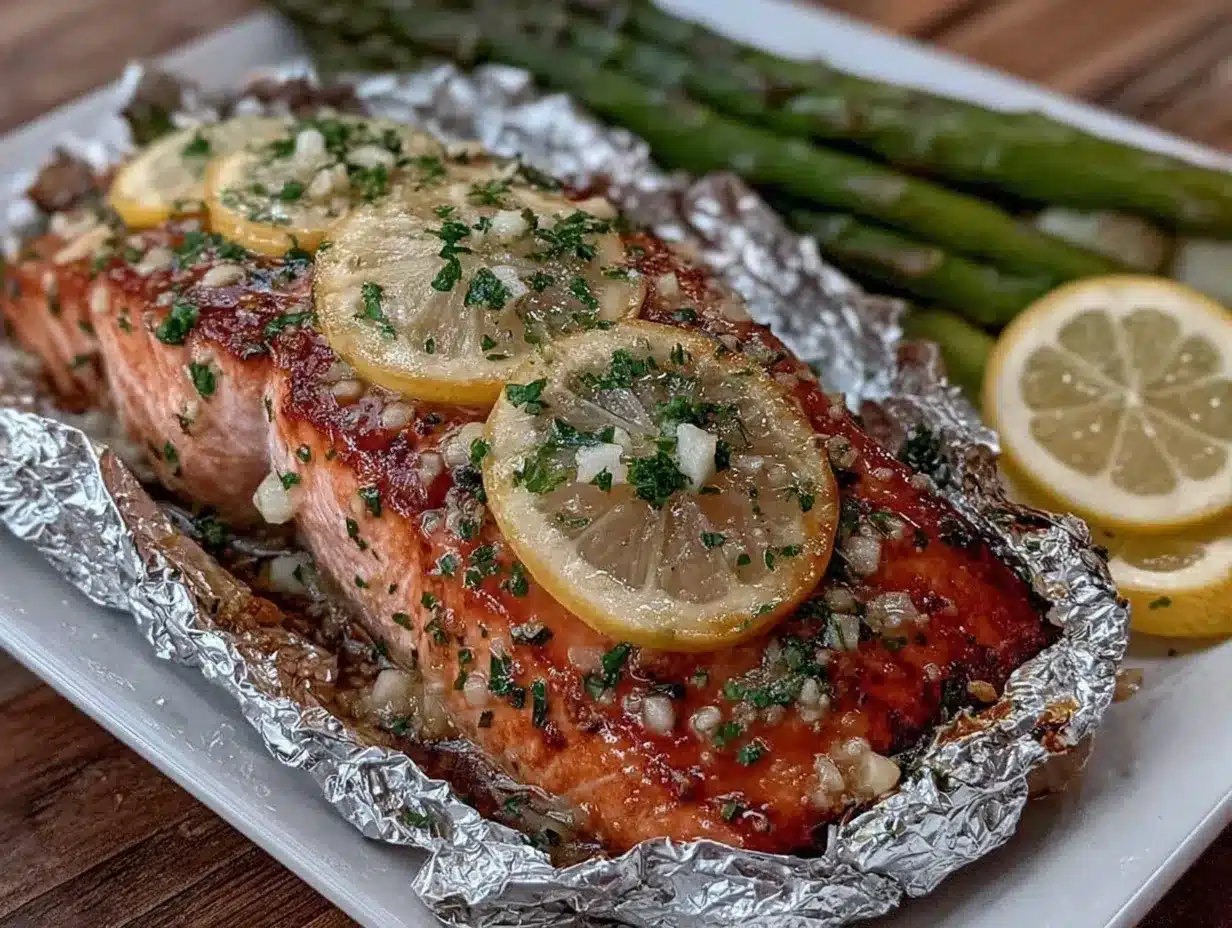
Let’s get cooking. This process is incredibly forgiving, but following these steps will give you the best result. Take your time with the prep, and the rest is a breeze.
- Preheat your oven to 400°F (200°C). This is a good, hot temperature that will cook the salmon quickly without drying it out. While the oven is heating, take your salmon fillets out of the fridge and let them sit on the counter for about 10 minutes. This takes the chill off and helps them cook more evenly.
- Make the garlic-herb butter. In a small bowl, combine the softened butter, minced garlic, lemon zest (save the lemon for juicing later), and half of the chopped dill. Add a good pinch of salt and a few cracks of black pepper. Mash everything together with a fork until it’s well combined. Give it a taste—it should be bright and savory. Set it aside.
- Prepare your foil packets. Tear off four large sheets of heavy-duty aluminum foil, each about 12 to 18 inches long. Place one salmon fillet in the center of each sheet, skin-side down if you left the skin on. Pat the fillets dry with a paper towel. This is a crucial step. Dry fish browns better and doesn’t steam in its own watery juices.
- Season the salmon. Season the top of each fillet generously with salt and pepper. Don’t be shy. Then, spread about one tablespoon of the garlic-herb butter over the top of each fillet. It doesn’t have to be perfect; just get it on there. Squeeze a little fresh lemon juice over each piece of fish.
- Add vegetables (optional). If you’re adding vegetables like asparagus or green beans, arrange them around the salmon fillet on the foil. Drizzle them with a tiny bit of olive oil and a pinch of salt.
- Seal the packets. Bring the two long sides of the foil together over the salmon and fold them down a few times to create a tight seal. Then, fold up the short ends, crimping them tightly. You want the packet to be sealed but with a little bit of air space inside for the steam to circulate. It should look like a neat little parcel.
- Bake. Place the foil packets on your rimmed baking sheet. Bake for 12 to 15 minutes, depending on the thickness of your fillets. For a 1-inch thick fillet, 13 minutes is usually perfect. The fish will be opaque and flake easily with a fork. If you are using an instant-read thermometer, it should read 125°F to 130°F in the thickest part.
- Rest and serve. Carefully open one end of a foil packet to let the steam escape (it will be very hot!). Slide the salmon onto a plate. Spoon any buttery juices from the packet over the top. Sprinkle with the remaining fresh dill and a final squeeze of lemon juice. Serve immediately.
A note on timing: If your fillets are significantly thicker or thinner, adjust the cooking time by a minute or two. It’s always better to check early than to overcook. The fish will continue to cook a little bit after you take it out of the oven, so pulling it at 125°F is a safe bet.
Cooking Tips & Techniques
I’ve made this recipe more times than I can count, and I’ve learned a few things the hard way. Here are my best tips to make sure your salmon comes out perfect every single time.
- Don’t overstuff the packets. If you’re adding vegetables, don’t go overboard. Too much stuff in the packet means the steam has less room to circulate, and your salmon might end up steaming unevenly. A handful of asparagus spears per packet is plenty.
- Use a thermometer. Honestly, this is the single best investment you can make for cooking fish. Guessing doneness by color or texture is risky. The thermometer takes the guesswork out of it. For salmon, 125°F is medium-rare (my favorite), and 130°F is medium. Anything above 140°F and you’re in dry territory.
- Watch the garlic. I love garlic, but if you use too much or if you mince it too coarsely, it can burn and turn bitter inside the packet. Stick to 1 clove per fillet and mince it very fine. It will mellow and sweeten as it cooks.
- Make it ahead. You can assemble the foil packets up to 4 hours in advance. Keep them in the fridge, and when you’re ready to cook, just add a minute or two to the baking time since you’re starting from cold. This is a lifesaver for entertaining.
- Don’t skip the resting step. Letting the salmon rest for just a minute or two after you open the packet allows the juices to redistribute. If you cut into it immediately, all that lovely moisture will run out onto your plate.
Variations & Adaptations
This recipe is a fantastic base, and it’s easy to change it up based on what you have in your pantry or what you’re craving. Here are a few of my favorite variations.
- Spicy Lemon Garlic Salmon: Add a pinch of red pepper flakes to the butter mixture, or drizzle the finished salmon with a little sriracha or chili crisp. The heat pairs beautifully with the lemon. If you love a little kick, you should also check out this honey sriracha glazed salmon for another spicy option.
- Mediterranean Style: Swap the dill for fresh oregano or thyme. Add a few slices of lemon and a handful of cherry tomatoes and Kalamata olives to the packet before sealing. The tomatoes will burst and create a lovely sauce.
- Herb and Panko Crust: After spreading the butter on the salmon, sprinkle the top with a mixture of panko breadcrumbs, grated Parmesan, and a little more lemon zest. Don’t seal the packet completely—leave the top slightly open so the breadcrumbs can crisp up. Bake as directed.
- Make it Dairy-Free: Replace the butter with a good quality olive oil or a dairy-free butter substitute. The result will be slightly less rich but still incredibly flavorful and moist.
- Use Different Fish: This cooking method works beautifully with other firm-fleshed fish like cod, halibut, or trout. Adjust the cooking time based on the thickness of the fillet. Thinner fillets like trout might only need 8 to 10 minutes.
Serving & Storage Suggestions
This salmon is incredibly versatile. Here is how to serve it and what to do with any leftovers (if you have any).
- Serving Temperature: Serve the salmon hot, straight out of the packet. The butter and lemon juice create a light sauce that you’ll want to spoon over the fish.
- What to Serve With It: This salmon pairs perfectly with simple sides. A bed of steamed rice or fluffy quinoa is great for soaking up the sauce. Roasted or steamed vegetables like green beans, asparagus, or broccoli are a natural fit. A simple green salad with a lemon vinaigrette would also be lovely. For a heartier meal, try it with this creamy parmesan risotto for a restaurant-quality dinner.
- Storage: Store any leftover salmon in an airtight container in the refrigerator for up to 3 days. The texture will be best when fresh, but it’s still good for salads or flaking into pasta the next day.
- Reheating: The best way to reheat salmon is gently. Place it in a low oven (around 275°F) for about 10 minutes, or flake it into a hot pan with a little butter for just a minute or two. Avoid the microwave if you can, as it tends to dry out the fish and make it rubbery.
- How Flavors Develop: The salmon is best eaten fresh, but the flavors will meld and mellow slightly in the fridge. Leftover salmon is fantastic flaked over a salad or added to a bowl of pasta with a little extra lemon juice.
Nutritional Information & Benefits
This recipe isn’t just easy and delicious; it’s also packed with good-for-you ingredients. Here is a quick look at what you’re getting in each serving.
- Estimated Nutrition (per serving, based on one 6 oz fillet with 1 tbsp butter): Calories: 380, Fat: 24g, Saturated Fat: 10g, Cholesterol: 120mg, Sodium: 450mg, Carbohydrates: 2g, Fiber: 0g, Sugar: 1g, Protein: 38g.
- High-Quality Protein: Salmon is one of the best sources of high-quality protein, which is essential for muscle repair and keeping you full and satisfied.
- Omega-3 Fatty Acids: This is the big one. Salmon is famously rich in omega-3 fatty acids, which are incredible for heart health, brain function, and reducing inflammation.
- Rich in Vitamins: Salmon is a great source of B vitamins, particularly B12 and niacin, as well as selenium and potassium.
- Dietary Considerations: This recipe is naturally gluten-free, low-carb, and keto-friendly. It’s also packed with healthy fats and protein, making it a perfect choice for a balanced meal. If you are looking for other healthy and quick dinner ideas, this easy garlic butter chicken with asparagus follows a similar philosophy.
Conclusion
This easy lemon garlic salmon in foil packets is more than just a recipe; it’s a solution. It’s the answer to the question of what to make for dinner when you want something delicious, healthy, and completely stress-free. The cleanup is a breeze, the flavor is incredible, and the method is foolproof. I honestly make this at least once a week, and it never gets old.
I love this recipe because it proves that you don’t need a lot of fancy ingredients or complicated techniques to create a meal that feels special. It’s just good food, cooked simply. I encourage you to make it your own. Add your favorite vegetables, swap the herbs, or dial up the spice. The foil packet is your canvas.
Now I want to hear from you! Have you tried cooking salmon in foil packets before? What’s your favorite way to flavor it? Drop a comment below and let me know. And if you make this recipe, please share a photo and tag me—I love seeing your creations. Until next time, happy cooking!
Frequently Asked Questions
Can I use frozen salmon for this recipe?
Yes, you can. The best approach is to thaw the salmon completely in the refrigerator overnight before cooking. If you cook it from frozen, the texture won’t be as good, and the cooking time will be much harder to predict. Pat it very dry after thawing to remove excess moisture.
Can I cook these foil packets on the grill?
Absolutely! This recipe is fantastic on the grill. Preheat your grill to medium-high heat (about 400°F). Place the foil packets directly on the grates and cook for the same amount of time, 12 to 15 minutes. The grill adds a lovely smoky flavor to the fish.
How do I know when the salmon is done without a thermometer?
If you don’t have a thermometer, look for visual cues. The salmon will turn from translucent to opaque all the way through. You can gently press on the top of the fillet with a fork; it should flake easily and separate into large, moist pieces. The center should no longer look raw or jelly-like.
Can I make this recipe for just one person?
Yes, the recipe scales down perfectly. Just use one fillet and one sheet of foil. The cooking time will be roughly the same. It’s a fantastic way to make a quick, healthy dinner for yourself without any fuss or waste.
What if I don’t have fresh dill? Can I use dried herbs?
Fresh dill is wonderful, but dried dill works in a pinch. Use about 1 teaspoon of dried dill for the whole recipe (instead of the 2 tablespoons of fresh). You can also substitute with other dried herbs like dried thyme, oregano, or even a pinch of dried tarragon. The flavor will be different, but still delicious.
Pin This Recipe!
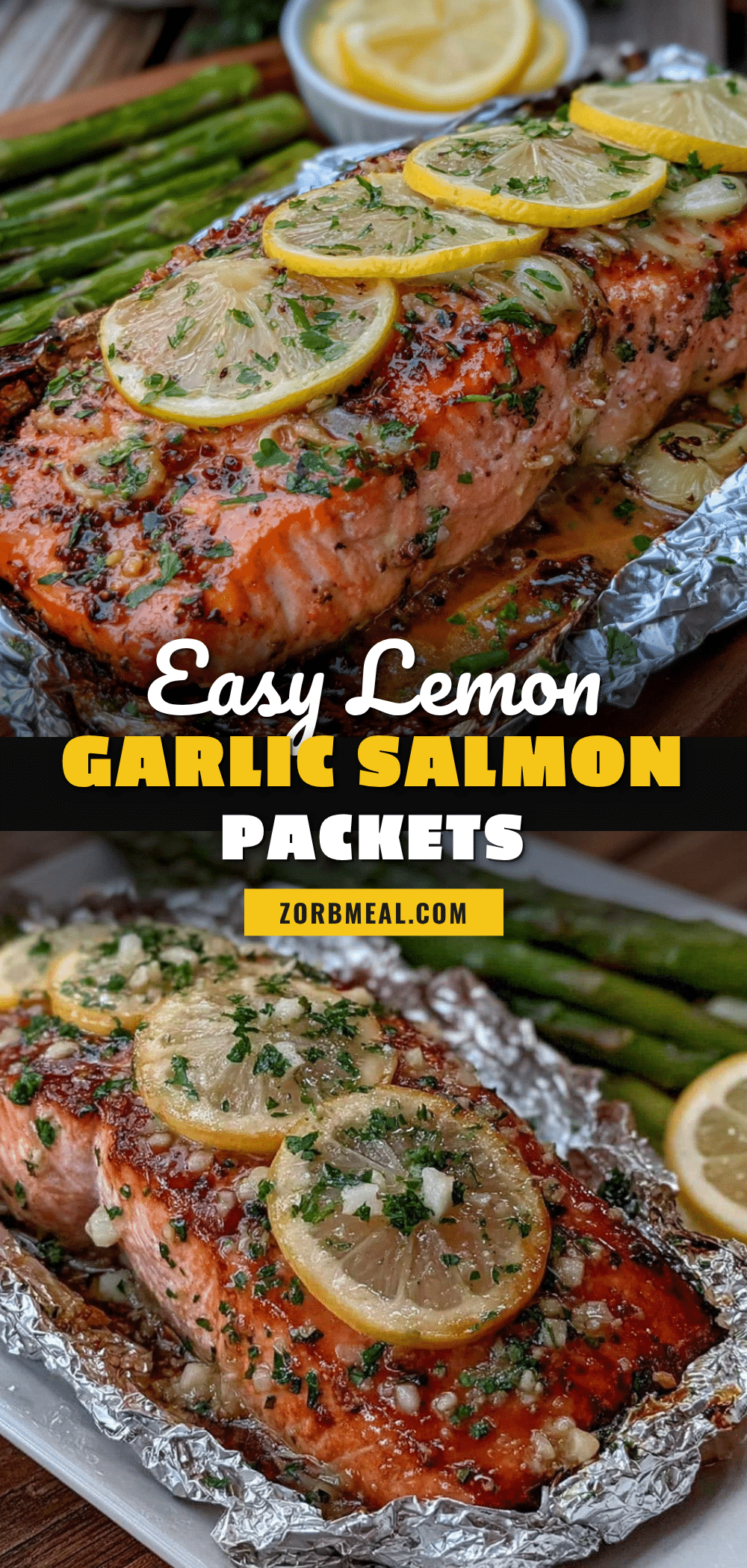
Easy Lemon Garlic Salmon in Foil Packets
Perfectly cooked, flaky salmon infused with bright citrus and savory garlic, all cooked in a foil packet for easy cleanup. This foolproof recipe is ready in under 25 minutes and is perfect for busy weeknights.
- Prep Time: 5 minutes
- Cook Time: 15 minutes
- Total Time: 20 minutes
- Yield: 4 servings 1x
- Category: Main Course
- Cuisine: American
Ingredients
- 4 salmon fillets (about 6 ounces each)
- 4 tablespoons unsalted butter, softened
- 4 cloves garlic, minced
- 1 large lemon (zested and juiced)
- 2 tablespoons fresh dill, chopped
- Salt and black pepper to taste
- Optional: asparagus spears, green beans, or zucchini slices
Instructions
- Preheat your oven to 400°F (200°C). Take salmon fillets out of the fridge and let them sit on the counter for about 10 minutes.
- In a small bowl, combine softened butter, minced garlic, lemon zest, and half of the chopped dill. Add a pinch of salt and pepper. Mash together with a fork until well combined.
- Tear off four large sheets of heavy-duty aluminum foil, each about 12 by 18 inches. Place one salmon fillet in the center of each sheet, skin-side down if skin is on. Pat fillets dry with a paper towel.
- Season the top of each fillet generously with salt and pepper. Spread about 1 tablespoon of the garlic-herb butter over each fillet. Squeeze a little fresh lemon juice over each piece.
- If adding vegetables, arrange them around the salmon on the foil. Drizzle with a tiny bit of olive oil and a pinch of salt.
- Bring the two long sides of the foil together over the salmon and fold down a few times to seal. Fold up the short ends, crimping tightly. Leave a little air space inside for steam circulation.
- Place foil packets on a rimmed baking sheet. Bake for 12 to 15 minutes, depending on thickness. For a 1-inch thick fillet, 13 minutes is usually perfect. Internal temperature should reach 125°F to 130°F.
- Carefully open one end of a foil packet to let steam escape. Slide salmon onto a plate. Spoon buttery juices over the top. Sprinkle with remaining fresh dill and a final squeeze of lemon juice. Serve immediately.
Notes
For best results, use fillets of similar thickness. If adding vegetables, don’t overstuff packets. Salmon is done when it flakes easily with a fork or reaches 125°F-130°F internally. Let rest 1-2 minutes after opening packet. Can be assembled up to 4 hours ahead.
Nutrition
- Serving Size: 1 salmon fillet with
- Calories: 380
- Sugar: 1
- Sodium: 450
- Fat: 24
- Saturated Fat: 10
- Carbohydrates: 2
- Protein: 38
Keywords: salmon, lemon garlic salmon, foil packet salmon, easy salmon recipe, healthy salmon, quick dinner, weeknight dinner, low carb, keto