I ruined butternut squash pasta three times before I finally got it right. The first batch turned into watery soup—no amount of stirring could save it. The second time, I burned the sage so badly my kitchen smelled like a campfire for two days. The third attempt was edible but boring, the kind of dish you forget halfway through chewing. I almost gave up on this creamy butternut squash pasta with brown butter sage entirely. But something kept pulling me back—maybe the memory of that perfect bowl I had at a tiny restaurant years ago, or maybe just the stubborn belief that squash and butter belonged together.
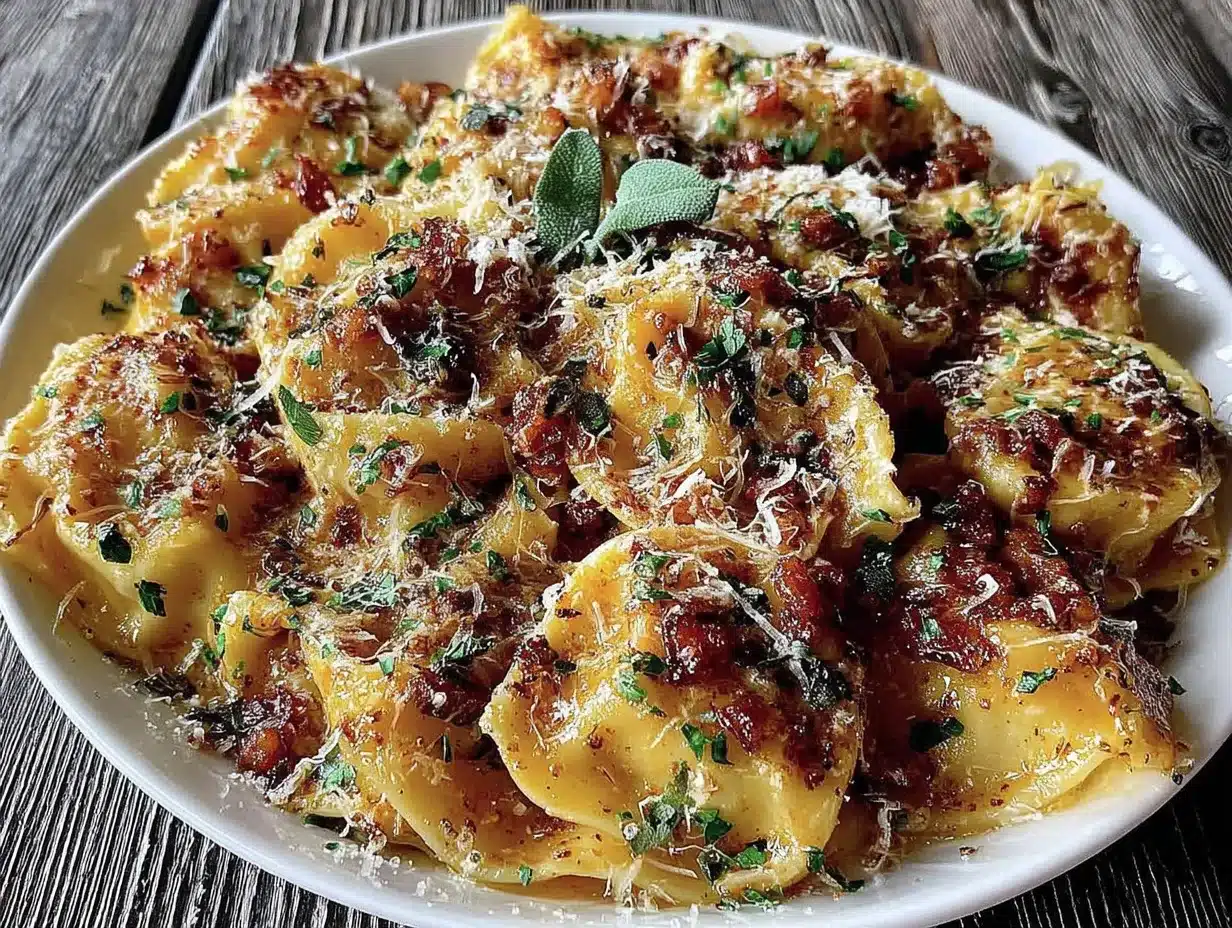
What I finally figured out changed how I cook fall dinners. The trick wasn’t more cream or fancier cheese. It was patience—letting the squash caramelize properly, watching the butter foam and turn that perfect amber color, and timing the sage so it crisped without burning. When I took that first successful bite, I actually laughed out loud. The sauce was velvety without being heavy, the sage added this nutty, almost floral note, and the pasta held everything together like it was made for this exact combination.
This creamy butternut squash pasta with brown butter sage is now my go-to when I want something that feels fancy but doesn’t require a culinary degree. It’s the kind of meal that makes you slow down and actually taste what you’re eating. And honestly? If I can figure this out after three failures, anyone can.
Why You’ll Love This Recipe
This isn’t just another pasta recipe. This creamy butternut squash pasta with brown butter sage has become my most-requested dish for dinner parties and quiet weeknights alike. Here’s why it works so well:
- Ready in Under 45 Minutes : From cutting board to bowl, this comes together faster than ordering takeout. The sauce cooks while your pasta boils—efficiency at its finest.
- Simple Pantry Ingredients : You likely have most of these items already. No trips to specialty stores or hunting down obscure ingredients. Just good, honest food.
- Perfect for Fall Gatherings : Whether it’s a cozy dinner for two or a Thanksgiving side dish, this pasta fits every occasion. It’s elegant enough to impress but simple enough to relax through.
- Surprisingly Light : The sauce gets its creaminess from blended squash rather than heavy cream. You get that luxurious texture without the weighed-down feeling afterward.
- Unforgettable Flavor : The combination of nutty brown butter, earthy sage, and sweet roasted squash creates layers of flavor that keep you coming back for another forkful.
What sets this recipe apart is the technique. Most versions either drown the pasta in heavy cream or end up with a thin, watery sauce. By roasting the squash first and blending it into a silky puree, you get a sauce that coats every strand of pasta perfectly. The brown butter adds depth that regular butter just can’t match—it’s nutty, toasty, and slightly sweet all at once.
This creamy butternut squash pasta with brown butter sage is the kind of dish that makes you close your eyes after the first bite. It’s comfort food reimagined—healthier, faster, but with the same soul-soothing satisfaction. Perfect for impressing guests without stress, or turning a simple Tuesday into something memorable.
What Ingredients You Will Need
This recipe uses simple, wholesome ingredients to deliver bold flavor and satisfying texture without the fuss. Most of these are pantry staples or easy to find at any grocery store.
For the Pasta
- 12 ounces pasta (fettuccine, pappardelle, or rigatoni work great—pick something that holds sauce well)
- Salt (for the pasta water—generous amount, it should taste like the sea)
For the Butternut Squash Sauce
- 1 medium butternut squash (about 2 pounds), peeled, seeded, and cubed into 1-inch pieces
- 2 tablespoons olive oil (for roasting the squash)
- 1/2 teaspoon salt (plus more to taste)
- 1/4 teaspoon black pepper
- 1/4 teaspoon nutmeg (freshly grated if possible—it makes a difference)
- 1/2 cup vegetable broth (or chicken broth if you’re not keeping it vegetarian)
- 1/4 cup heavy cream (optional, but adds richness—you can skip it for a lighter sauce)
- 1/3 cup grated Parmesan cheese (plus more for serving—I recommend Parmigiano-Reggiano for best flavor)
For the Brown Butter Sage
- 4 tablespoons unsalted butter (use good quality butter—it’s the star of this component)
- 10-12 fresh sage leaves (look for bright green leaves without spots)
- Pinch of salt
I’ve tested this with different squashes over the years. Kabocha works in a pinch, and even frozen butternut squash cubes will do if you’re short on time. Just thaw and drain them well before roasting. The sage is non-negotiable though—dried sage just doesn’t crisp up the same way, and that crispy texture is half the magic.
For the Parmesan, skip the pre-shredded stuff. It contains anti-caking agents that prevent smooth melting. Grate it fresh—your sauce will thank you.
Equipment Needed
Nothing fancy here. You probably own most of this already.
- Baking sheet (rimmed, to catch any juices from the squash)
- Parchment paper (makes cleanup infinitely easier)
- Large pot (for boiling pasta)
- Large skillet or sauté pan (wide enough to toss pasta with sauce)
- Blender or food processor (immersion blender works too, but a regular blender gives the smoothest results)
- Chef’s knife (sharp one—butternut squash is tough)
- Vegetable peeler (a good peeler saves time and knuckles)
- Measuring cups and spoons
- Wooden spoon or tongs (for tossing pasta)
If you don’t have a blender, you can mash the roasted squash with a potato masher or fork. The sauce won’t be as silky, but it’ll still taste amazing. I’ve done it that way when my blender was broken, and honestly, I kind of liked the rustic texture.
For the baking sheet, any size works as long as the squash fits in a single layer. Crowding the pan leads to steaming instead of roasting, and we want those caramelized edges.
Preparation Method
Let me walk you through this step by step. I’ve made this creamy butternut squash pasta with brown butter sage more times than I can count, so trust me on the details.
Step 1: Roast the Squash
Preheat your oven to 400°F (200°C). Line a baking sheet with parchment paper. Toss the cubed butternut squash with olive oil, salt, pepper, and nutmeg. Spread it in a single layer—no overlapping. Roast for 25-30 minutes, flipping halfway through. The squash should be fork-tender with golden-brown edges. The smell alone will tell you it’s working. Let it cool slightly before blending.
Step 2: Cook the Pasta
While the squash roasts, bring a large pot of salted water to a rolling boil. Add your pasta and cook according to package directions until al dente. Reserve 1 cup of pasta water before draining—this starchy liquid is liquid gold for your sauce. Drain the pasta and set aside. Don’t rinse it; that starch helps the sauce cling.
Step 3: Make the Sauce
Transfer the roasted squash to a blender. Add the vegetable broth and blend until completely smooth. This takes about 30-60 seconds. If it’s too thick, add a splash more broth. The puree should be silky and pourable. Taste it here—adjust salt and pepper if needed. If you’re using heavy cream, stir it in after blending (don’t blend hot cream, it can separate).
Step 4: Brown the Butter and Sage
This is where the magic happens. In a large skillet over medium heat, melt the butter. Add the sage leaves in a single layer. Cook for 2-3 minutes, swirling the pan occasionally. The butter will foam, then turn golden, then amber. The sage leaves will crisp up and darken slightly. Watch closely—brown butter can go from perfect to burnt in seconds. When the butter smells nutty and the sage is crispy, remove the sage leaves to a paper towel-lined plate. Keep the brown butter in the pan.
Step 5: Combine Everything
Pour the squash puree into the skillet with the brown butter. Stir to combine over low heat. Add the cooked pasta and toss until every strand is coated. If the sauce seems too thick, add reserved pasta water a tablespoon at a time until it reaches your desired consistency. Stir in the grated Parmesan cheese until melted and creamy. Taste and adjust seasoning—sometimes it needs a pinch more salt or a crack of black pepper.
Step 6: Serve
Divide the pasta among warm bowls. Crumble the crispy sage leaves over the top. Add extra Parmesan and a grind of fresh black pepper. Serve immediately while everything is hot and the sage is still crunchy.
One thing I learned the hard way—don’t skip the reserved pasta water. I did once thinking my sauce was thin enough, and ended up with a sticky, clumpy mess. That starchy water is the secret to a silky, restaurant-quality sauce that coats every noodle perfectly.
Cooking Tips & Techniques
After multiple batches of this creamy butternut squash pasta with brown butter sage, I’ve collected some hard-won wisdom.
Don’t rush the squash. I know it’s tempting to microwave it or boil it to save time, but roasting brings out the natural sweetness and concentrates the flavor. That caramelization is what makes the sauce taste complex rather than just sweet. Give it the full 30 minutes.
Watch the butter like a hawk. Brown butter happens fast. The foaming stage means the water is evaporating. Once the foam subsides, the solids start toasting. Swirl the pan constantly and look for a deep amber color and a nutty aroma. The second it smells like toasted hazelnuts, you’re there. Pull it off the heat immediately.
Season in layers. Salt the pasta water generously—it should taste like the ocean. Season the squash before roasting. Season the sauce after blending. Season the final dish. Each layer builds flavor. Under-seasoned squash puree tastes flat, no matter how much butter you add.
Save more pasta water than you think you need. I always reserve a full cup, even if I think I’ll only use half. The sauce thickens as it sits, and having extra starchy water lets you loosen it back to perfection. Leftover pasta water freezes well too.
Use wide, flat pasta. Fettuccine, pappardelle, or tagliatelle catch the sauce beautifully. Tube shapes like rigatoni work too—the sauce gets inside the tubes. Skip thin spaghetti; the sauce slides right off.
I once tried to multitask during the brown butter stage and ended up with burned butter and smoking sage. Now I give that step my full attention. It’s only three minutes, and the payoff is worth every second.
Variations & Adaptations
This recipe is forgiving—I’ve tweaked it dozens of ways depending on what I have in the fridge.
Make it vegan. Swap the butter for vegan butter or good olive oil. Use nutritional yeast instead of Parmesan (about 2 tablespoons, or to taste). Replace heavy cream with full-fat coconut milk for richness. The sage still crisps beautifully in oil.
Add protein. Crispy bacon or pancetta crumbled on top adds salty crunch. Grilled chicken or roasted chickpeas work too. I’ve even added leftover shredded rotisserie chicken—just warm it in the skillet before adding the sauce.
Go gluten-free. Use your favorite gluten-free pasta. Brown rice pasta or chickpea pasta hold up well. Just cook it a minute less than the package says—gluten-free pasta gets mushy fast.
Spice it up. Add a pinch of red pepper flakes with the sage for gentle heat. Or stir in a tablespoon of miso paste with the broth for umami depth. I tried the miso version on a whim and it was unexpectedly amazing.
Make it a one-pot meal. Sauté mushrooms or spinach in the skillet before adding the sauce. The mushrooms add meaty texture, and spinach wilts down into the sauce beautifully.
Try different squash. Kabocha, delicata, or even sweet potato work here. Each gives slightly different sweetness and texture. Kabocha makes the sauce especially creamy without needing much liquid.
My personal favorite variation? Adding crispy pancetta and a drizzle of balsamic glaze. The salty, sweet, tangy, nutty combination is absolutely ridiculous. Try it once and you’ll understand.
Serving & Storage Suggestions
This creamy butternut squash pasta with brown butter sage is best served immediately, while the sauce is hot and the sage leaves are crispy. But leftovers are still pretty fantastic.
Serving temperature and presentation: Serve hot in warmed bowls. Top with the crispy sage leaves, extra Parmesan, and a crack of black pepper. A drizzle of good olive oil or balsamic glaze right before serving adds a beautiful finish. I like to serve it with crusty bread to soak up any leftover sauce in the bowl.
Complementary dishes: A simple arugula salad with lemon vinaigrette cuts through the richness perfectly. Roasted Brussels sprouts or a side of steamed green beans work well too. For drinks, a crisp white wine like Sauvignon Blanc or a light Pinot Grigio pairs beautifully. If you’re looking for appetizer ideas, these fresh caprese skewers with sweet balsamic drizzle make a lovely starter before this pasta.
Storage instructions: Store leftovers in an airtight container in the refrigerator for up to 3 days. The sauce will thicken as it sits—that’s normal. The sage leaves will lose their crunch, so save those for fresh garnish if you’re planning leftovers.
Reheating methods: Reheat gently on the stovetop over low heat, adding a splash of milk, broth, or pasta water to loosen the sauce. Microwave works in a pinch—use 30-second intervals and stir between each. Avoid high heat, which can make the sauce grainy.
Freezer instructions: The squash sauce freezes beautifully for up to 3 months. Store it in a freezer-safe container without the pasta. When ready to use, thaw overnight in the fridge, reheat gently, and toss with freshly cooked pasta. The brown butter sage topping is best made fresh.
One thing I’ve noticed—the flavors actually deepen overnight. The sage and nutmeg meld together, and the sauce gets even more complex. Cold leftovers straight from the fridge? Don’t judge me, but I’ve definitely eaten this cold with a fork and loved every bite.
Nutritional Information & Benefits
Here’s the estimated nutritional breakdown for one serving (based on 4 servings, using heavy cream and Parmesan):
- Calories: 480-520
- Protein: 14g
- Carbohydrates: 62g
- Fat: 21g
- Fiber: 7g
- Sugar: 8g
- Sodium: 580mg
Butternut squash is packed with vitamin A (over 400% of your daily needs per cup), vitamin C, potassium, and fiber. It’s also rich in antioxidants like beta-carotene, which supports eye health and immune function. The sage isn’t just for flavor—it has anti-inflammatory properties and adds a surprising amount of antioxidants to the dish.
This recipe is naturally vegetarian and can easily be made vegan or gluten-free with simple swaps. It’s lower in saturated fat than traditional cream-based pasta sauces because the squash provides the creamy base. The fiber from the squash and whole-grain pasta (if you choose it) helps with digestion and keeps you feeling full longer.
From a wellness perspective, this is the kind of meal that feels indulgent but is actually pretty balanced. You get complex carbs, healthy fats, vegetables, and protein all in one bowl. It’s comfort food that doesn’t leave you sluggish afterward—which is exactly what I want on a busy weeknight.
Conclusion
This creamy butternut squash pasta with brown butter sage has become a staple in my kitchen for good reason. It’s the kind of recipe that looks impressive on the table but comes together without stress or complicated techniques. The combination of sweet roasted squash, nutty brown butter, and crispy sage is honestly one of the best things I’ve ever eaten.
I hope you give this recipe a try and make it your own. Maybe you’ll add extra sage like I do, or throw in some crispy bacon, or swap the pasta for zucchini noodles on a health kick. That’s the beauty of cooking—you take a good recipe and twist it until it feels like yours.
If you make this, I’d love to hear how it turned out. Drop a comment below and let me know if you added your own twist, or share a photo of your bowl. And if you’re looking for another cozy, comforting dish, you might enjoy this creamy Tuscan chicken with sun-dried tomatoes—it has that same rich, satisfying energy.
Now go make some brown butter magic. Your kitchen is about to smell incredible.
Frequently Asked Questions
Can I use pre-cut butternut squash from the store?
Absolutely. Pre-cut squash saves time and works perfectly. Just make sure the pieces are roughly the same size so they roast evenly. Pat them dry with a paper towel before tossing with oil—excess moisture prevents caramelization.
Why did my sauce turn out watery?
This usually happens when the squash isn’t roasted long enough or the pieces are too crowded on the baking sheet. Proper roasting evaporates excess moisture and concentrates flavor. Next time, spread the squash in a single layer and roast until the edges are golden and the pieces are fork-tender.
Can I make this ahead of time?
Yes, with a few adjustments. Make the squash sauce up to 3 days ahead and store it in the fridge. Cook the pasta and make the brown butter sage fresh when you’re ready to serve. The sauce thickens as it sits, so you’ll need to thin it with a splash of broth or pasta water when reheating.
What can I substitute for sage?
If you can’t find fresh sage, try fresh thyme or rosemary instead. The flavor profile changes, but both work beautifully with brown butter and squash. Dried sage isn’t recommended—it won’t crisp up and can taste dusty. For a completely different but delicious twist, try fresh basil at the end.
Is this recipe freezer-friendly?
The squash sauce freezes beautifully for up to 3 months. Freeze it without the pasta in a freezer-safe container. Thaw overnight in the fridge, reheat gently on the stovetop, and toss with freshly cooked pasta. Make the brown butter and sage fresh when serving for the best texture and flavor.
Pin This Recipe!
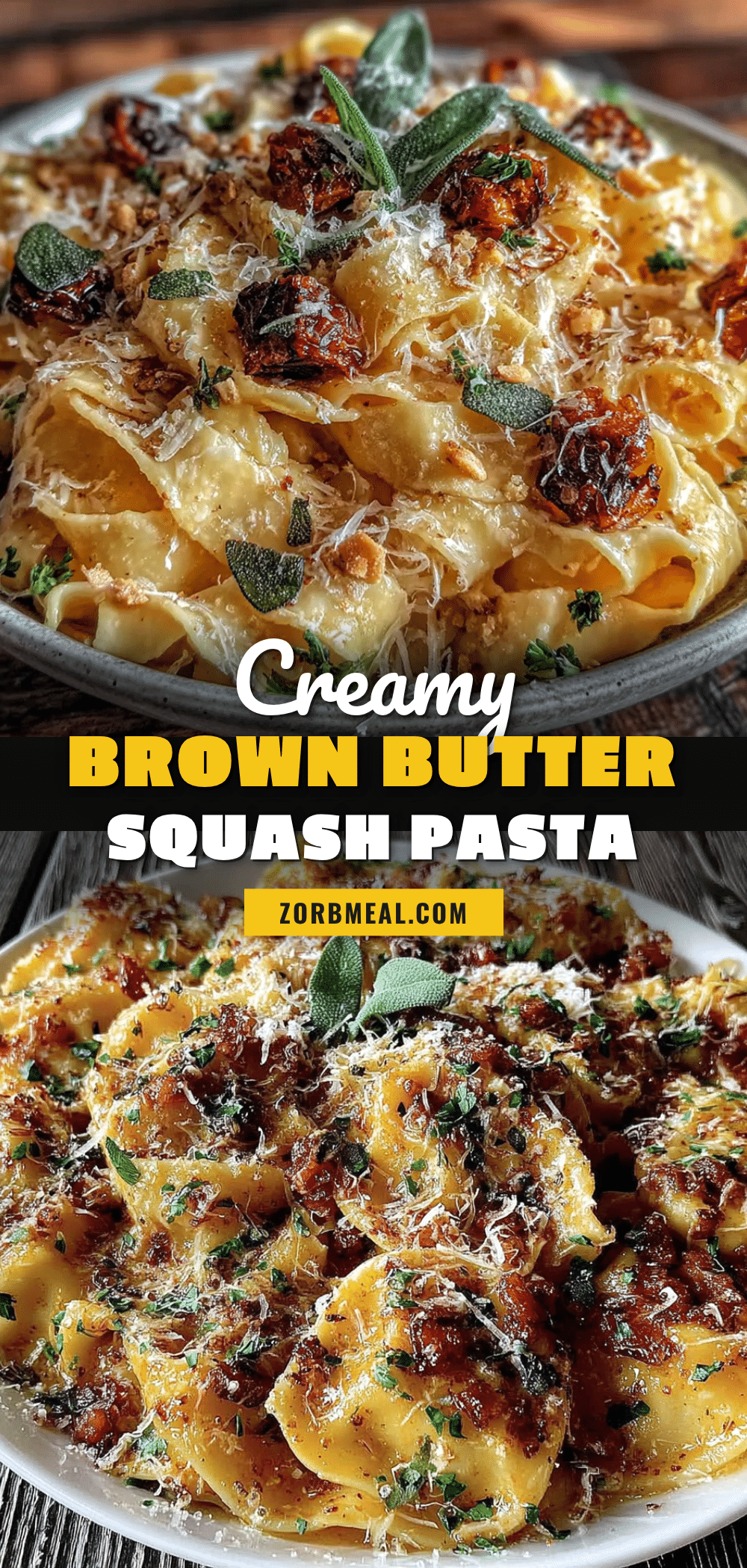
Creamy Butternut Squash Pasta with Brown Butter Sage
This creamy butternut squash pasta with brown butter sage is a comforting fall dish that comes together in under 45 minutes. The velvety sauce is made from roasted squash, while nutty brown butter and crispy sage add unforgettable flavor.
- Prep Time: 15 minutes
- Cook Time: 30 minutes
- Total Time: 45 minutes
- Yield: 4 servings 1x
- Category: Main Course
- Cuisine: Italian
Ingredients
- 12 ounces pasta (fettuccine, pappardelle, or rigatoni)
- Salt (for pasta water)
- 1 medium butternut squash (about 2 pounds), peeled, seeded, and cubed into 1-inch pieces
- 2 tablespoons olive oil
- 1/2 teaspoon salt (plus more to taste)
- 1/4 teaspoon black pepper
- 1/4 teaspoon nutmeg (freshly grated if possible)
- 1/2 cup vegetable broth (or chicken broth)
- 1/4 cup heavy cream (optional)
- 1/3 cup grated Parmesan cheese (plus more for serving)
- 4 tablespoons unsalted butter
- 10–12 fresh sage leaves
- Pinch of salt
Instructions
- Preheat oven to 400°F (200°C). Line a baking sheet with parchment paper. Toss cubed butternut squash with olive oil, salt, pepper, and nutmeg. Spread in a single layer on the baking sheet. Roast for 25-30 minutes, flipping halfway, until fork-tender with golden-brown edges. Let cool slightly.
- While squash roasts, bring a large pot of salted water to a rolling boil. Cook pasta according to package directions until al dente. Reserve 1 cup of pasta water before draining. Drain pasta and set aside (do not rinse).
- Transfer roasted squash to a blender. Add vegetable broth and blend until completely smooth, about 30-60 seconds. If too thick, add more broth. Adjust salt and pepper to taste. If using heavy cream, stir it in after blending.
- In a large skillet over medium heat, melt butter. Add sage leaves in a single layer. Cook for 2-3 minutes, swirling the pan, until butter turns amber and smells nutty, and sage leaves are crispy. Remove sage leaves to a paper towel-lined plate. Keep brown butter in the pan.
- Pour squash puree into the skillet with brown butter. Stir to combine over low heat. Add cooked pasta and toss until coated. If sauce is too thick, add reserved pasta water a tablespoon at a time until desired consistency. Stir in grated Parmesan until melted and creamy. Taste and adjust seasoning.
- Divide pasta among warm bowls. Crumble crispy sage leaves over the top. Add extra Parmesan and a grind of black pepper. Serve immediately.
Notes
Don’t rush the squash roasting—caramelization is key for flavor. Watch the brown butter closely; it can burn quickly. Reserve more pasta water than you think you need; the sauce thickens as it sits. Use wide, flat pasta like fettuccine or pappardelle for best sauce adherence.
Nutrition
- Serving Size: 1 serving
- Calories: 500
- Sugar: 8
- Sodium: 580
- Fat: 21
- Saturated Fat: 10
- Carbohydrates: 62
- Fiber: 7
- Protein: 14
Keywords: butternut squash pasta, brown butter sage, creamy pasta, fall pasta, vegetarian pasta, easy pasta recipe