The neighborhood cookie swap was in twelve hours and I’d completely forgotten. Everyone else would be bringing those elaborate, multi-day projects—you know the ones, with the laminated doughs and the hand-piped royal icing. I had a half-stick of butter, a jar of molasses that was collecting dust, and a serious case of panic. My kitchen looked like a small disaster zone, and I was already mentally composing my apology text.
Honestly, I almost just grabbed a box of store-bought cookies on the way. But something about the challenge—and the fact that I had zero time to overthink it—pushed me toward a recipe I’d been tinkering with for months. A soft gingerbread cookie. Not the snap-and-crack kind, but the pillowy, hug-in-a-bite kind. I threw the ingredients together in a bit of a frenzy, spilled flour on my favorite sweater, and accidentally doubled the cinnamon. Classic me.
I walked into that swap with a tin of slightly lopsided cookies, still warm, with a glaze that was a little too runny. And you know what? They vanished first. People kept coming back asking for the recipe, and I had to sheepishly admit I’d made it up on the fly under pressure. Maybe you’ve been there—when the deadline forces you to stop overcomplicating things and just make something good. That’s this cookie. It’s the one that proves simple, honest ingredients, put together with a little love and a lot of desperation, can beat the fancy stuff every single time. It’s the recipe I keep coming back to, and I think you’re going to love it too.
Why You’ll Love This Recipe
These aren’t your average gingerbread cookies. They’re soft, they’re tender, and they have that deep, spiced warmth that makes a kitchen feel like a holiday movie set. But here’s the best part—they’re actually pretty wholesome. I’ve tested this recipe more times than I can count, tweaking the flour ratio and the molasses amount until it hit that perfect sweet spot between indulgent and, well, good-for-you-ish.
- Quick & Easy: From mixing bowl to cooling rack in under an hour. Perfect for when you need a last-minute dessert or a baking project with the kids that doesn’t turn into a meltdown.
- Simple Ingredients: No weird, hard-to-find items. You probably have most of this in your pantry right now, which is exactly how I like my recipes.
- Perfect for the Holidays: Cookie swaps, Thanksgiving dessert tables, or a cozy night in with a mug of tea. These cookies fit in everywhere.
- Crowd-Pleaser: I’ve brought these to parties, work events, and family gatherings. They disappear every single time. Kids love the soft texture, and adults appreciate the grown-up spice flavor.
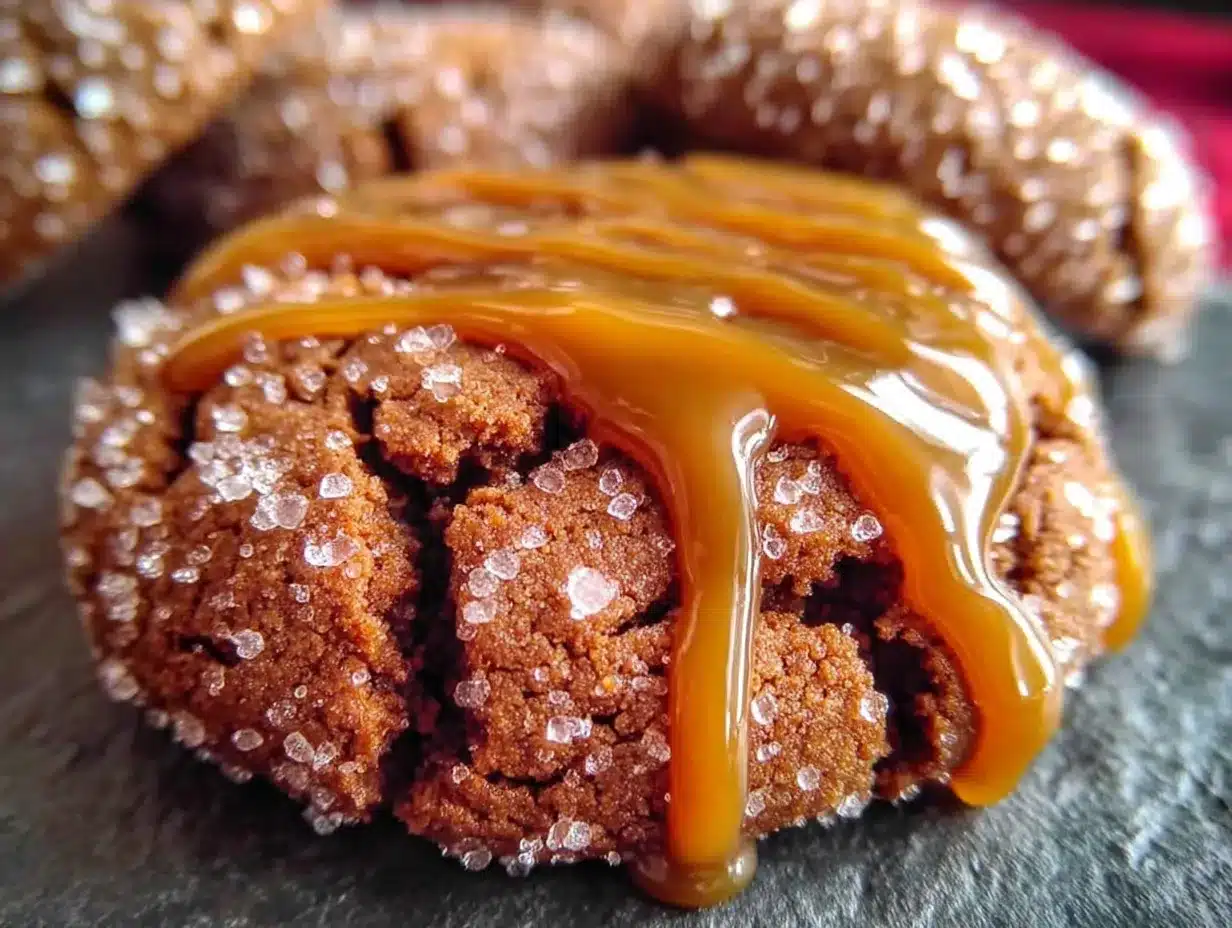
- Unbelievably Delicious: That molasses glaze on top? It’s not just pretty—it adds a little extra layer of rich, sweet flavor that makes these cookies feel special without being fussy.
What makes this recipe different from all the other gingerbread cookies out there? It’s the texture. Most gingerbread cookies are either rock-hard or too cakey. These are the Goldilocks of gingerbread—firm enough to hold their shape, but soft enough to sink your teeth into without a struggle. The secret is a combination of butter and a touch of yogurt, which keeps them tender for days. Plus, I use whole wheat pastry flour for a little extra fiber and nuttiness, but I promise you won’t taste the difference. It’s comfort food reimagined—healthier, faster, but with the same soul-soothing satisfaction that makes you close your eyes after the first bite.
What Ingredients You Will Need
This recipe uses simple, wholesome ingredients to deliver bold flavor and satisfying texture without the fuss. Most of these are pantry staples, which is exactly what you want when a cookie craving hits out of nowhere.
For the Cookies
- Unsalted butter, softened (1/2 cup, 1 stick) — I always use unsalted so I can control the salt level. Let it sit out for about 30 minutes before you start.
- Brown sugar, packed (1/2 cup) — Light or dark works, but dark brown sugar gives a deeper molasses flavor. I personally prefer dark.
- Large egg (1, room temperature) — A cold egg can seize the butter, so let it sit out with the butter.
- Molasses (1/3 cup) — Use unsulphured molasses, not blackstrap. Blackstrap is too bitter for these cookies. I like Grandma’s brand or Brer Rabbit.
- Plain Greek yogurt (2 tablespoons) — This is my secret ingredient for softness. It adds moisture without making the cookies greasy.
- Vanilla extract (1 teaspoon) — Pure vanilla, not imitation, if you can swing it.
- Whole wheat pastry flour (2 cups) — You can also use all-purpose flour. The whole wheat pastry flour gives a little more structure and a subtle nutty flavor that pairs beautifully with the spices.
- Baking soda (1 teaspoon) — This helps the cookies spread just a little and keeps them tender.
- Ground ginger (2 teaspoons) — The star of the show. Make sure your ginger is fresh-ish; old spices lose their punch.
- Ground cinnamon (1 1/2 teaspoons) — I accidentally doubled this once and it was a happy accident. Feel free to add a little extra.
- Ground cloves (1/2 teaspoon) — Just a touch for warmth.
- Ground nutmeg (1/4 teaspoon) — Freshly grated if you’re feeling fancy, but pre-ground works fine.
- Salt (1/4 teaspoon) — Balances the sweetness and brings out the spices.
For the Molasses Glaze
- Powdered sugar (1 cup) — Sifted to avoid lumps.
- Molasses (2 tablespoons) — Same kind you used for the cookies.
- Milk (2-3 tablespoons) — Any kind works. Start with 2 tablespoons and add more if needed.
- Vanilla extract (1/2 teaspoon) — For a little depth.
- Pinch of salt — Trust me on this. It makes the glaze taste less one-dimensional.
Equipment Needed
You don’t need a fancy bakery setup for these cookies. Here’s what you’ll need:
- Mixing bowls — One large for the wet ingredients, one medium for the dry. I use glass or stainless steel.
- Electric hand mixer or stand mixer — You can do this by hand with a wooden spoon, but a mixer makes creaming the butter and sugar much easier. I’ve done both, and the mixer is worth the effort.
- Whisk — For combining the dry ingredients.
- Rubber spatula — For scraping down the bowl and folding in the flour.
- Baking sheets — Two standard half-sheet pans, or whatever you have. Line them with parchment paper or a silicone baking mat.
- Cookie scoop or tablespoon — For uniform cookies. I use a 1.5-tablespoon scoop.
- Cooling rack — Essential for letting the glaze set properly. I got a cheap collapsible one from the grocery store and it works great.
- Small saucepan or microwave-safe bowl — For warming the glaze ingredients if needed.
Preparation Method
- Preheat and prep. Preheat your oven to 350°F (175°C). Line two baking sheets with parchment paper. This step is non-negotiable—parchment paper prevents sticking and makes cleanup a breeze.
- Cream the butter and sugar. In a large mixing bowl, beat the softened butter and brown sugar together until light and fluffy, about 2-3 minutes. You’re looking for a pale, airy texture. Scrape down the sides of the bowl with a rubber spatula halfway through.
- Add the wet ingredients. Beat in the egg, molasses, Greek yogurt, and vanilla extract. Mix until everything is well combined. The mixture might look a little separated at first, but keep mixing—it will come together. If it looks curdled, don’t panic. It’s fine.
- Whisk the dry ingredients. In a separate medium bowl, whisk together the whole wheat pastry flour, baking soda, ginger, cinnamon, cloves, nutmeg, and salt. Make sure there are no lumps. The spices should smell amazing at this point.
- Combine wet and dry. Gradually add the dry ingredients to the wet mixture, mixing on low speed or folding with a spatula until just combined. Do not overmix. A few streaks of flour are okay. Overmixing will make the cookies tough.
- Chill the dough (optional but recommended). The dough will be slightly sticky. For the softest, thickest cookies, cover the bowl and refrigerate for 30 minutes. If you’re in a hurry (like I was during my cookie swap panic), you can skip this step. The cookies will spread a little more, but they’ll still be delicious.
- Scoop and shape. Using a cookie scoop or a tablespoon, drop rounded balls of dough onto the prepared baking sheets, spacing them about 2 inches apart. I usually get about 18-20 cookies. For perfectly round cookies, roll the dough balls gently between your palms.
- Bake. Bake for 10-12 minutes, or until the edges are set and the tops look slightly cracked. The centers will still look a little soft—that’s good. They will continue to set as they cool. Do not overbake, or you’ll lose the soft texture. My oven runs hot, so I start checking at 9 minutes.
- Cool. Let the cookies cool on the baking sheet for 5 minutes. This allows them to firm up enough to transfer. Then move them to a cooling rack to cool completely before glazing. If you glaze them while they’re warm, the glaze will just slide right off.
- Make the glaze. While the cookies cool, make the molasses glaze. In a small bowl, whisk together the powdered sugar, molasses, 2 tablespoons of milk, vanilla extract, and a pinch of salt. Whisk until smooth. If the glaze is too thick, add another tablespoon of milk. If it’s too thin, add a little more powdered sugar. You’re looking for a consistency that’s thick but still pourable, like honey.
- Glaze the cookies. Once the cookies are completely cool, drizzle the glaze over the tops using a spoon or a small piping bag (or just a zip-top bag with the corner snipped off). I like to let the glaze drip down the sides a little. Let the glaze set for about 30 minutes before serving or storing.
Cooking Tips & Techniques
I’ve made these cookies more times than I can count, and I’ve learned a few things the hard way. Here are my best tips:
- Don’t overbake. This is the number one mistake. The cookies might look underdone in the center when you pull them out, but that’s exactly what you want. They will continue to bake on the hot sheet. Overbaked gingerbread cookies turn into hockey pucks.
- Use room temperature ingredients. Cold butter won’t cream properly, and a cold egg can make the batter seize. Set everything out 30 minutes before you start. I’ve forgotten this step before and ended up with lumpy dough. Learn from my mistakes.
- Measure your flour correctly. Scooping flour directly from the bag with your measuring cup packs it down and adds too much flour. Instead, spoon the flour into the cup and level it off with a knife. This is a game-changer for texture.
- Chill the dough if you have time. It makes the cookies thicker and chewier. But if you’re in a rush, it’s not the end of the world. The cookies will just be a little flatter and crispier around the edges.
- Double the spices. I know the recipe calls for specific amounts, but honestly, gingerbread is all about the spices. If you love a strong ginger kick, add an extra half teaspoon. I’ve done it, and it’s never ruined a batch.
- Watch the glaze. The molasses glaze can go from perfect to too thick in a matter of seconds. If it thickens up while you’re working, just add a drop of warm milk and whisk it again.
Variations & Adaptations
This recipe is wonderfully flexible. Here are some ways to make it your own:
- Gluten-Free Version: Substitute the whole wheat pastry flour with a 1:1 gluten-free baking flour blend. I’ve used Bob’s Red Mill with great results. The texture will be slightly more delicate, but the flavor is spot on.
- Vegan Adaptation: Use a flax egg (1 tablespoon ground flaxseed mixed with 3 tablespoons water) instead of the egg, and use coconut oil or vegan butter instead of regular butter. Swap the Greek yogurt for a dairy-free yogurt. The cookies will be a little less tender, but still very good.
- Spice It Up: Add a pinch of black pepper or cayenne pepper to the dough for a subtle heat. It sounds weird, but it really brings out the ginger flavor. I tried this on a whim one winter and it was a hit.
- Citrus Twist: Add 1 tablespoon of orange or lemon zest to the dough. The citrus cuts through the molasses richness beautifully. It’s especially nice if you’re making these for a Christmas brunch.
- Cookie Sandwiches: Make smaller cookies and sandwich them with a cream cheese frosting. It’s over the top in the best way possible. I did this for a birthday party once and people lost their minds.
- No Glaze Option: If you want to skip the glaze, just roll the dough balls in coarse sugar before baking. It gives them a sparkly, crunchy exterior that’s lovely and less messy.
Serving & Storage Suggestions
These cookies are wonderful at room temperature, but they’re also amazing warmed up for about 10 seconds in the microwave. The glaze gets a little melty, and the cookie becomes extra soft and tender. Serve them with a glass of cold milk, a hot cup of chai, or a mug of spiced apple cider.
For a pretty presentation, arrange the cookies on a festive plate and dust them with a little extra powdered sugar. They also make fantastic gifts—just stack them in a tin or a mason jar with a ribbon. I’ve given these as teacher gifts and neighbor gifts, and they’re always appreciated.
Storage: Store the glazed cookies in an airtight container at room temperature for up to 5 days. Place a piece of bread in the container to help keep them soft—the cookies will absorb the moisture from the bread. Change the bread every day or two.
Freezing: You can freeze the baked, unglazed cookies for up to 3 months. Wrap them tightly in plastic wrap and then in foil. When you’re ready to serve, thaw them at room temperature and then glaze them. You can also freeze the dough balls. Scoop them onto a baking sheet, freeze until solid, then transfer to a freezer bag. Bake from frozen, adding 2-3 minutes to the baking time.
The flavors actually develop and deepen over time. These cookies are even better on day two or three, so don’t be afraid to make them a day ahead.
Nutritional Information & Benefits
Here’s the approximate nutritional breakdown for one cookie (based on 20 cookies with glaze):
- Calories: 165
- Fat: 6g
- Saturated Fat: 3.5g
- Carbohydrates: 26g
- Sugar: 16g
- Fiber: 1.5g
- Protein: 2.5g
- Sodium: 95mg
These cookies are made with whole wheat pastry flour, which provides more fiber and nutrients than all-purpose flour. Molasses is a good source of iron, calcium, and magnesium—so you’re getting a little mineral boost with every bite. The ginger in these cookies is also known for its anti-inflammatory properties and can help with digestion. Of course, these are still cookies, so enjoy them in moderation. But it’s nice to know they’re a little more wholesome than your average holiday treat.
If you’re watching your sugar intake, you can reduce the brown sugar to 1/3 cup and cut the glaze in half. The cookies will be less sweet but still flavorful.
Conclusion
These soft gingerbread cookies with molasses glaze are the kind of recipe that becomes a tradition. They’re simple enough for a weeknight baking session, but special enough for holiday gatherings. They’re wholesome without being preachy, and they deliver that cozy, spiced flavor we all crave when the weather turns cold.
I love this recipe because it’s forgiving. It doesn’t demand perfection. You can forget to chill the dough, spill a little flour, or double the cinnamon by accident, and they’ll still turn out amazing. That’s the kind of recipe I want in my back pocket, and I hope you’ll feel the same way.
So go ahead—preheat that oven, dig out your molasses, and give these cookies a try. And when you do, come back and let me know how they turned out. Did you add extra ginger? Skip the glaze? Make them for a cookie swap? I’d love to hear your story. Share your photos and tag me, or leave a comment below. Happy baking, friends!
Frequently Asked Questions
Can I use blackstrap molasses for this recipe?
I wouldn’t recommend it. Blackstrap molasses is much more bitter and less sweet than regular unsulphured molasses. It will give your cookies a very strong, almost burnt flavor. Stick with unsulphured molasses for the best results.
Why did my cookies turn out hard?
You probably overbaked them. Remember, pull them out when the edges are set but the centers still look soft. They will continue to bake on the hot sheet. Another culprit could be too much flour. Make sure you’re measuring your flour correctly by spooning it into the cup and leveling it off.
Can I make the dough ahead of time?
Absolutely. You can refrigerate the dough for up to 3 days. Just wrap it tightly in plastic wrap. Let it sit at room temperature for about 10 minutes before scooping and baking. You can also freeze the dough balls for up to 3 months.
How do I make the glaze thicker or thinner?
If your glaze is too thick, add a little more milk, one teaspoon at a time. If it’s too thin, add a little more powdered sugar, one tablespoon at a time. The perfect consistency is thick but still pourable, like honey or maple syrup.
Can I make these cookies without an electric mixer?
Yes, you can! Use a wooden spoon and a little elbow grease. Cream the butter and sugar together until they’re light and fluffy—this might take a few extra minutes. Then mix in the wet ingredients and fold in the dry ingredients. It’s a good arm workout!
Pin This Recipe!

Soft Gingerbread Cookies with Molasses Glaze
These soft, pillowy gingerbread cookies are made with simple, wholesome ingredients and topped with a rich molasses glaze. Perfect for holiday cookie swaps, last-minute baking, or cozy nights in, they’re the Goldilocks of gingerbread—firm enough to hold their shape but tender enough to sink your teeth into.
- Prep Time: 15 minutes
- Cook Time: 12 minutes
- Total Time: 27 minutes (plus optional 30 minutes chilling and 30 minutes glaze setting)
- Yield: 18-20 cookies 1x
- Category: Dessert
- Cuisine: American
Ingredients
- 1/2 cup (1 stick) unsalted butter, softened
- 1/2 cup brown sugar, packed (light or dark)
- 1 large egg, room temperature
- 1/3 cup unsulphured molasses
- 2 tablespoons plain Greek yogurt
- 1 teaspoon vanilla extract
- 2 cups whole wheat pastry flour (or all-purpose flour)
- 1 teaspoon baking soda
- 2 teaspoons ground ginger
- 1 1/2 teaspoons ground cinnamon
- 1/2 teaspoon ground cloves
- 1/4 teaspoon ground nutmeg
- 1/4 teaspoon salt
- 1 cup powdered sugar, sifted
- 2 tablespoons unsulphured molasses
- 2–3 tablespoons milk (any kind)
- 1/2 teaspoon vanilla extract
- Pinch of salt
Instructions
- Preheat oven to 350°F (175°C). Line two baking sheets with parchment paper.
- In a large mixing bowl, beat softened butter and brown sugar together until light and fluffy, about 2-3 minutes. Scrape down sides of bowl halfway through.
- Beat in egg, molasses, Greek yogurt, and vanilla extract until well combined. Mixture may look separated at first but will come together.
- In a separate medium bowl, whisk together whole wheat pastry flour, baking soda, ginger, cinnamon, cloves, nutmeg, and salt until no lumps remain.
- Gradually add dry ingredients to wet mixture, mixing on low speed or folding with a spatula until just combined. Do not overmix; a few streaks of flour are okay.
- Optional but recommended: Cover dough and refrigerate for 30 minutes for thicker, softer cookies. If in a hurry, skip this step (cookies will spread more but still be delicious).
- Using a cookie scoop or tablespoon, drop rounded balls of dough onto prepared baking sheets, spacing about 2 inches apart. For perfectly round cookies, roll dough balls gently between palms. Makes about 18-20 cookies.
- Bake for 10-12 minutes, or until edges are set and tops look slightly cracked. Centers will still look soft. Do not overbake. Start checking at 9 minutes if oven runs hot.
- Let cookies cool on baking sheet for 5 minutes, then transfer to a cooling rack to cool completely before glazing.
- While cookies cool, make glaze: In a small bowl, whisk together powdered sugar, 2 tablespoons molasses, 2 tablespoons milk, vanilla extract, and pinch of salt until smooth. If too thick, add another tablespoon of milk; if too thin, add more powdered sugar. Consistency should be thick but pourable, like honey.
- Once cookies are completely cool, drizzle glaze over tops using a spoon or small piping bag (or zip-top bag with corner snipped off). Let glaze set for about 30 minutes before serving or storing.
Notes
Don’t overbake—cookies should look slightly underdone in center when removed; they’ll continue to set on hot sheet. Use room temperature ingredients for best results. Measure flour by spooning into cup and leveling off. Chilling dough is optional but yields thicker cookies. Double spices if you love strong ginger flavor. Glaze can thicken quickly; add a drop of warm milk to thin. Store glazed cookies in airtight container at room temperature for up to 5 days; place a piece of bread in container to keep soft (change bread daily). Freeze unglazed baked cookies for up to 3 months, or freeze dough balls for up to 3 months. Cookies taste even better on day 2-3.
Nutrition
- Serving Size: 1 cookie
- Calories: 165
- Sugar: 16
- Sodium: 95
- Fat: 6
- Saturated Fat: 3.5
- Carbohydrates: 26
- Fiber: 1.5
- Protein: 2.5
Keywords: soft gingerbread cookies, molasses glaze, holiday cookies, easy gingerbread, whole wheat gingerbread, cookie swap recipe, soft ginger cookies


