“You’ve got to try this,” my coworker said, sliding a neatly wrapped box across the table during lunch break. I was skeptical; fried pork cutlet from a little shop downtown didn’t sound like much, but one bite and I was hooked. The crispy crust gave way to juicy pork, perfectly balanced by a rich, tangy sauce that lingered on the tongue. That was my first real experience with Japanese tonkatsu. Honestly, it felt like discovering a secret that was too good not to recreate at home. Since then, I couldn’t stop making this crispy Japanese tonkatsu pork cutlet with savory katsu sauce—sometimes twice in a week, just to satisfy that craving for crunchy, juicy goodness.
The magic lies in that golden crust and the sauce that’s just the right mix of sweet, savory, and a little bit tangy. I remember the first time I tried making the sauce from scratch, thinking it’d be complicated. Nope. It was surprisingly simple and far better than store-bought versions. The whole process quickly became my go-to comfort food recipe, especially when I needed a reset after a hectic day.
What’s funny is that tonkatsu has this way of being both humble and special at once. It’s not fancy, but it feels like a treat. I love how the crispy coating crackles under the fork, unveiling tender pork beneath. You know, it’s the kind of dish where you close your eyes after the first bite and just savor the moment. That’s why this recipe stuck with me — it’s reliable, satisfying, and always hits the spot, no matter the mood.
Why You’ll Love This Recipe
Having tested this recipe multiple times—on busy weeknights, for casual weekend dinners, and even for unexpected guests—I’ve come to appreciate why it’s a keeper. Here’s what makes this crispy Japanese tonkatsu pork cutlet with savory katsu sauce stand out:
- Quick & Easy: The entire process takes about 30 minutes from start to finish, which is perfect for those nights when you want something indulgent but don’t want to slave away in the kitchen.
- Simple Ingredients: You likely have most of the pantry staples on hand—panko breadcrumbs, soy sauce, and basic condiments, nothing exotic required.
- Perfect for Casual Dinners: Whether it’s a family meal or a solo dinner, tonkatsu feels like a special occasion without any fuss.
- Crowd-Pleaser: Kids, adults, picky eaters—they all love the crispy texture and approachable flavor profile.
- Unbelievably Delicious: The contrast between the crunchy coating and tender pork, paired with that savory-sweet katsu sauce, is next-level comfort food.
This isn’t just any fried pork cutlet. The trick is in the panko breadcrumbs for that ultra-light crunch, plus the homemade katsu sauce that blends Worcestershire sauce, ketchup, and soy sauce for a flavor punch you won’t forget. I’ve tried other versions, but this one always wins hands down.
It’s the kind of meal that feels like a warm hug on a plate—perfect for turning an ordinary night into something memorable. Plus, it pairs wonderfully with simple sides, making it easy to serve up a complete meal without stress.
What Ingredients You Will Need
This recipe uses simple, wholesome ingredients to deliver bold flavor and satisfying texture without the fuss. Most of these are pantry staples, and substitutions are easy if you need them.
- Pork Cutlets: Boneless pork loin chops, about 1/2 inch (1.3 cm) thick, trimmed of excess fat (choosing firm, fresh pork from a trusted butcher makes a difference).
- Salt and Pepper: For seasoning the pork before breading.
- Flour: All-purpose flour, for the initial coating to help the egg stick.
- Eggs: 2 large, beaten; room temperature eggs help the coating adhere better.
- Panko Breadcrumbs: Japanese-style breadcrumbs are light and flaky—crucial for that signature crispiness. Brands like Kikkoman or Kameda work great.
- Vegetable Oil: For frying; a neutral oil with a high smoke point, like canola or peanut oil.
For the Savory Katsu Sauce:
- Worcestershire Sauce: 3 tablespoons; gives tang and depth.
- Ketchup: 2 tablespoons; adds sweetness and body.
- Soy Sauce: 1 tablespoon; brings umami and saltiness.
- Mirin or Honey: 1 teaspoon; optional but adds a subtle sweetness.
- Mustard: 1 teaspoon (Dijon or yellow); adds a slight kick.
If you want to keep it gluten-free, swap the all-purpose flour with rice flour, and use gluten-free soy sauce. For a dairy-free option, this recipe is naturally free from dairy, so no changes needed.
Equipment Needed
- Heavy Skillet or Frying Pan: A cast-iron or stainless steel skillet works best to maintain even heat for deep frying the pork cutlets.
- Thermometer: Optional but helpful to keep the oil at the perfect temperature (~350°F / 175°C) and avoid greasy results.
- Three Shallow Bowls: For the flour, beaten eggs, and panko breadcrumbs – makes the breading process smooth and organized.
- Tongs or Chopsticks: For flipping the cutlets carefully during frying.
- Wire Rack or Paper Towels: To drain excess oil after frying; a wire rack is ideal to keep the crust crisp.
If you don’t have a thermometer, you can test the oil by dropping a small breadcrumb in—it should sizzle and rise immediately without smoking. A budget-friendly tip: using a deep skillet rather than a shallow pan helps avoid oil splatter and maintains temperature better.
Preparation Method
- Prepare the Pork Cutlets: Pat each pork cutlet dry with paper towels. Season both sides lightly with salt and pepper. This step is key for flavor right at the core.
- Set Up Breading Stations: In three separate shallow bowls, place the flour, beaten eggs, and panko breadcrumbs. Make sure the panko is fresh for maximum crunch.
- Dredge the Pork: First, coat each cutlet lightly in flour, shaking off any excess. Then dip into the egg mixture, ensuring it’s fully coated. Finally, press into the panko breadcrumbs firmly but gently—don’t just roll it around; pressing helps the crumbs stick better.
- Heat the Oil: Pour vegetable oil into your skillet to a depth of about 1/2 inch (1.3 cm). Heat over medium-high until it reaches about 350°F (175°C). If you don’t have a thermometer, test by dropping a breadcrumb in—it should sizzle immediately.
- Fry the Cutlets: Carefully place the breaded pork into hot oil. Fry for about 3-4 minutes per side, or until the crust is golden brown and the pork reaches an internal temperature of 145°F (63°C). Avoid overcrowding the pan; cook in batches if needed.
- Drain: Remove cutlets with tongs and place on a wire rack or paper towels to drain excess oil. This keeps the crust crisp and not soggy.
- Make the Katsu Sauce: In a small bowl, whisk together Worcestershire sauce, ketchup, soy sauce, mirin (or honey), and mustard until smooth. Taste and adjust seasoning to your liking.
- Serve: Slice the tonkatsu into strips just before serving and drizzle with or serve alongside the savory katsu sauce.
Quick tip: Resting the pork cutlets for a few minutes after frying helps juices redistribute, so the meat stays juicy under that crispy crust. Also, pressing the panko firmly but not too hard when breading avoids a dense coating.
Cooking Tips & Techniques
One trick I learned is to keep the oil temperature steady—too hot and the crust burns before the pork cooks; too cool and you get greasy, soggy breading. Using a thermometer takes the guesswork out. Also, fresh panko breadcrumbs make all the difference; stale crumbs tend to absorb more oil and lose that beautiful crunch.
Don’t rush the breading process. Patience here pays off with a thick, even crust that stays put during frying. I’ve had times when I was too hasty, and the coating fell off, which is disappointing. Also, flipping the cutlets gently with tongs or chopsticks helps keep the crust intact.
Multitasking tip: While the cutlets fry, mix the katsu sauce so it’s ready to go as soon as the pork is done. That way, you’re not waiting around, and everything stays hot and fresh.
Lastly, if you prefer a leaner cut, you can trim excess fat, but don’t overdo it—some fat adds flavor and moisture. This recipe balances the tender pork with the crispy exterior perfectly, so don’t skip on thickness or the rest time after frying.
Variations & Adaptations
- Chicken Katsu: Swap pork for boneless, skinless chicken breasts or thighs, pounding them to an even thickness before breading and frying.
- Vegetarian Version: Use thick slices of firm tofu or eggplant, breaded and fried the same way for a crispy plant-based alternative.
- Spicy Katsu Sauce: Add a teaspoon of Sriracha or chili paste to the sauce for a little kick.
- Gluten-Free: Use rice flour instead of all-purpose flour and gluten-free soy sauce (tamari) to keep the recipe accessible.
- Oven-Baked Option: For a lighter version, bake breaded cutlets at 425°F (220°C) on a wire rack for 20-25 minutes, flipping halfway through. It won’t be quite as crispy, but still tasty.
Personally, I tried adding a touch of grated ginger to the katsu sauce once, which gave it a fresh zing. It’s a nice twist for when you want something a little different but still familiar.
Serving & Storage Suggestions
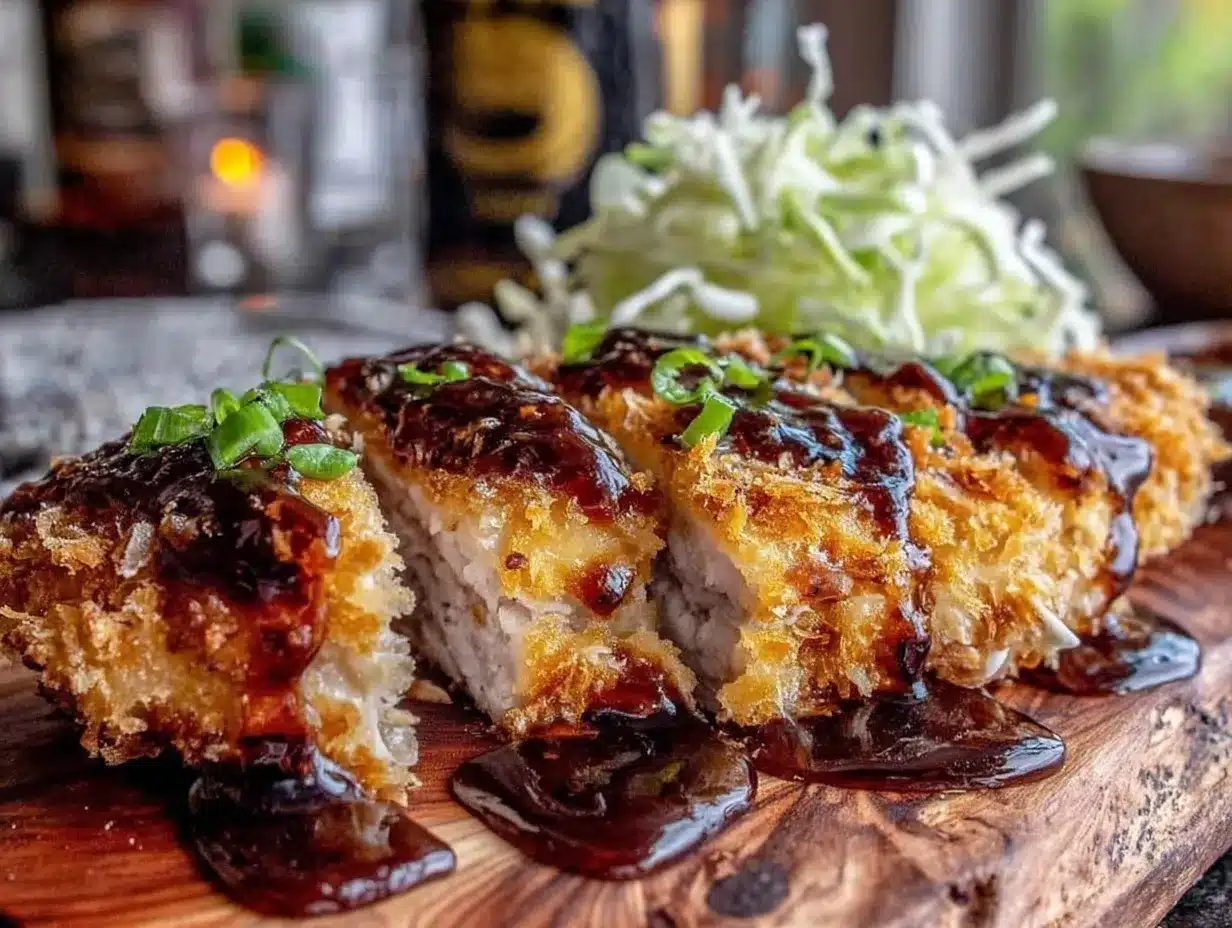
Tonkatsu is best served hot and crispy, right off the pan. I like slicing it into strips for sharing and plating it alongside steamed white rice and shredded cabbage, which adds a refreshing crunch. A side of miso soup or a simple cucumber salad rounds out the meal nicely.
If you have leftovers, wrap them tightly and store in the fridge for up to 2 days. To reheat, pop the cutlets in a preheated oven at 350°F (175°C) for 10 minutes to bring back that crispiness—microwaving tends to make the crust soggy.
Interestingly, the flavors of the katsu sauce meld beautifully the next day, making leftovers even more enjoyable cold or warmed up. This makes it a great make-ahead meal option.
Nutritional Information & Benefits
A serving of this Japanese tonkatsu pork cutlet (about 1 cutlet with sauce) provides roughly 400-450 calories, with around 25-30 grams of protein and moderate fat content. The use of lean pork loin keeps it balanced, while the panko crumbs add minimal extra calories compared to heavier batters.
The pork offers a good source of B vitamins and zinc, important for energy and immune function. Using homemade sauce means you control the sodium and sugar levels better than store-bought alternatives. Plus, the cabbage side adds fiber and vitamins, making it a more rounded meal.
This recipe fits well within a balanced diet when enjoyed in moderation. For gluten-sensitive eaters, simple substitutions keep it inclusive without sacrificing flavor or texture.
Conclusion
This crispy Japanese tonkatsu pork cutlet with savory katsu sauce recipe has become a staple in my kitchen because it’s straightforward, satisfying, and reliably delicious. I love that it’s approachable enough for a quick dinner yet impressive enough to serve when friends drop by unexpectedly. The crispy exterior paired with that tangy, slightly sweet sauce just hits all the right notes.
Feel free to tweak the sauce or try different proteins and sides—tonkatsu is a versatile canvas for your kitchen creativity. It’s one of those dishes that invites you to get your hands a little messy and enjoy every crunchy, juicy bite.
When you make this, I’d love to hear how it turned out or what variations you tried. Sharing your experience always makes the kitchen feel a little cozier and the meal a bit more special.
FAQs About Japanese Tonkatsu Pork Cutlet
How thick should the pork cutlets be for tonkatsu?
About 1/2 inch (1.3 cm) thick is ideal. This thickness ensures the pork cooks through while keeping juicy inside and crispy outside.
Can I use chicken instead of pork for tonkatsu?
Absolutely! Chicken breasts or thighs work well. Just pound them to an even thickness before breading and frying.
What’s the best way to keep the tonkatsu crispy after frying?
Drain the cutlets on a wire rack instead of paper towels to avoid sogginess. Also, serve immediately or reheat in the oven to maintain crispness.
Is homemade katsu sauce necessary?
While store-bought sauces are convenient, homemade katsu sauce tastes fresher and lets you adjust sweetness and tanginess to your preference.
Can tonkatsu be made gluten-free?
Yes! Use rice flour instead of all-purpose flour and a gluten-free soy sauce like tamari to keep the recipe gluten-free.
For more comforting, easy-to-make recipes, you might enjoy the classic homemade old-fashioned meatloaf or warm up with a slice of old-fashioned apple crisp for dessert after your tonkatsu dinner.
Pin This Recipe!
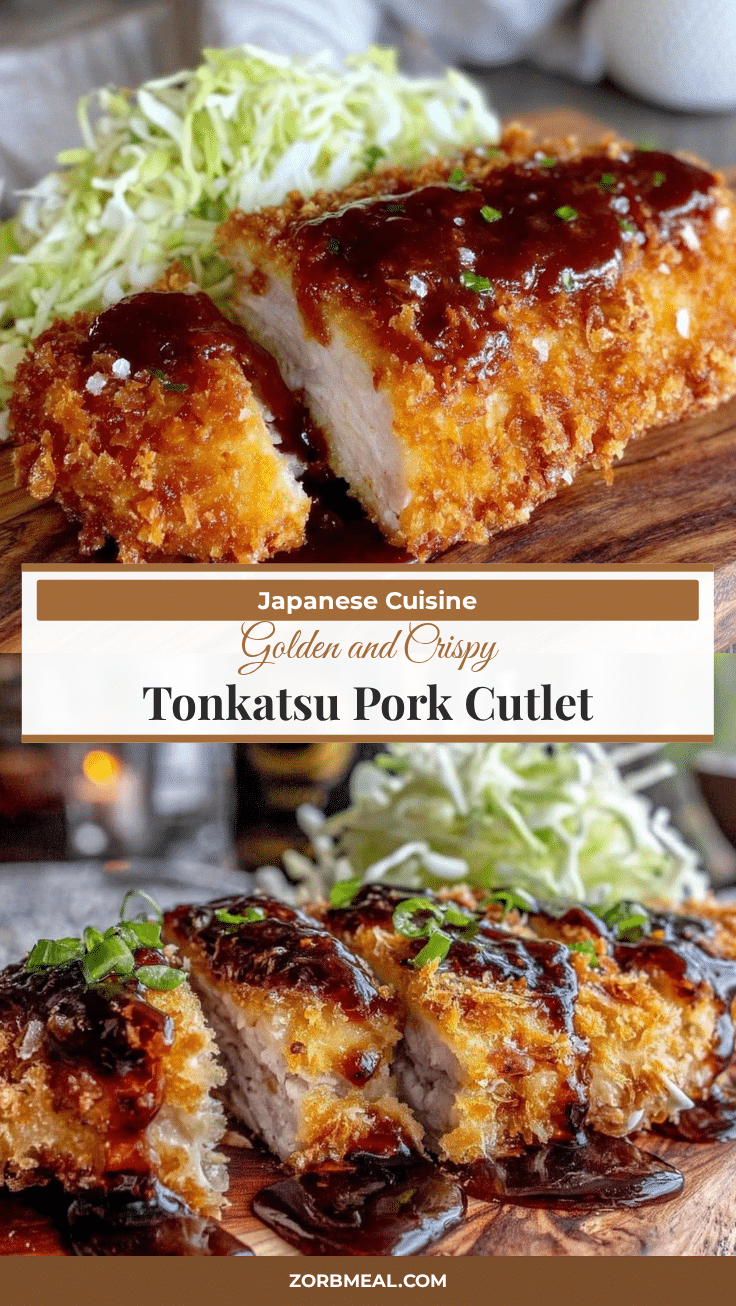
Crispy Japanese Tonkatsu Pork Cutlet Recipe Perfect for Homemade Katsu Sauce
A crispy Japanese tonkatsu pork cutlet with a savory, tangy homemade katsu sauce that delivers crunchy, juicy goodness. Perfect for quick, satisfying dinners with simple ingredients.
- Prep Time: 10 minutes
- Cook Time: 15 minutes
- Total Time: 25 minutes
- Yield: 4 servings 1x
- Category: Main Course
- Cuisine: Japanese
Ingredients
- Boneless pork loin chops, about 1/2 inch (1.3 cm) thick, trimmed of excess fat
- Salt and pepper, to taste
- All-purpose flour (or rice flour for gluten-free), for coating
- 2 large eggs, beaten
- Panko breadcrumbs (Japanese-style)
- Vegetable oil (canola or peanut oil) for frying
- 3 tablespoons Worcestershire sauce
- 2 tablespoons ketchup
- 1 tablespoon soy sauce (or gluten-free tamari)
- 1 teaspoon mirin or honey (optional)
- 1 teaspoon mustard (Dijon or yellow)
Instructions
- Pat each pork cutlet dry with paper towels and season both sides lightly with salt and pepper.
- Set up three shallow bowls with flour, beaten eggs, and panko breadcrumbs.
- Coat each cutlet lightly in flour, shaking off excess, then dip into the egg mixture, and press firmly into the panko breadcrumbs.
- Pour vegetable oil into a heavy skillet to a depth of about 1/2 inch and heat over medium-high until it reaches about 350°F (175°C).
- Carefully place breaded pork cutlets into hot oil and fry for 3-4 minutes per side until golden brown and internal temperature reaches 145°F (63°C).
- Remove cutlets and drain on a wire rack or paper towels to keep crust crisp.
- Whisk together Worcestershire sauce, ketchup, soy sauce, mirin or honey, and mustard until smooth to make the katsu sauce.
- Slice tonkatsu into strips and serve with the savory katsu sauce.
Notes
Use fresh panko breadcrumbs for maximum crunch. Maintain oil temperature around 350°F to avoid greasy or burnt crust. Rest cutlets a few minutes after frying to keep meat juicy. For gluten-free, substitute rice flour and gluten-free soy sauce. Oven-baking option available but less crispy.
Nutrition
- Serving Size: 1 pork cutlet with s
- Calories: 425
- Sugar: 4
- Sodium: 700
- Fat: 20
- Saturated Fat: 5
- Carbohydrates: 25
- Fiber: 1
- Protein: 28
Keywords: tonkatsu, Japanese pork cutlet, crispy pork, katsu sauce, fried pork, panko breadcrumbs, homemade sauce, easy dinner