I was wrestling with a giant kabocha squash at the farmers’ market last fall, clearly losing the battle, when the woman at the next stall—the one selling tiny, perfect jars of miso—just watched me for a minute. She didn’t say anything at first. Then she laughed, a warm, crinkly-eyed laugh, and said, “You’re fighting it. You have to talk to it, not fight it.” Her name was Yuki, and she was a retired home economics teacher who now spent her weekends selling her fermented goods. She showed me how to hold the squash, how to find its natural seams, and how a little patience beats a big knife every time. That conversation—about squash, sure, but mostly about cooking with your senses instead of just a recipe—stuck with me. This caramelized ginger miso kabocha squash is the direct result of that morning. It’s the dish I bring to every potluck and dinner party now, the one that disappears first, the one people hover around asking, “What is in this?” Honestly, it’s become my secret weapon for impressing a crowd without breaking a sweat. I mean, who knew a humble squash could be the star of the show? Maybe you’ve been looking for that one side dish that steals the table without a ton of fuss. Let me tell you, this is it.
Why You’ll Love This Recipe
This isn’t just another roasted squash recipe. This is the one that makes people close their eyes after the first bite. I’ve tested this version more times than I can count—served it to my skeptical brother-in-law (a self-proclaimed squash hater), brought it to a Friendsgiving where it competed with a prime rib, and even made it for a casual weeknight dinner that somehow felt special. Every single time, it gets the same reaction: silence, then a chorus of “what did you put in this?”
- Crowd-Pleaser: Sweet, savory, and umami-rich, this dish appeals to everyone—from picky kids to adventurous eaters. It’s the side dish that gets talked about.
- Simple Ingredients: No fancy grocery trips. You likely have ginger, miso, and soy sauce in your kitchen right now. The squash is the only special guest, and it’s easy to find in most supermarkets.
- Perfect for Hosting: You can prep everything ahead of time. The glaze comes together in minutes, and the squash roasts while you’re setting the table or greeting guests. It’s stress-free entertaining at its finest.
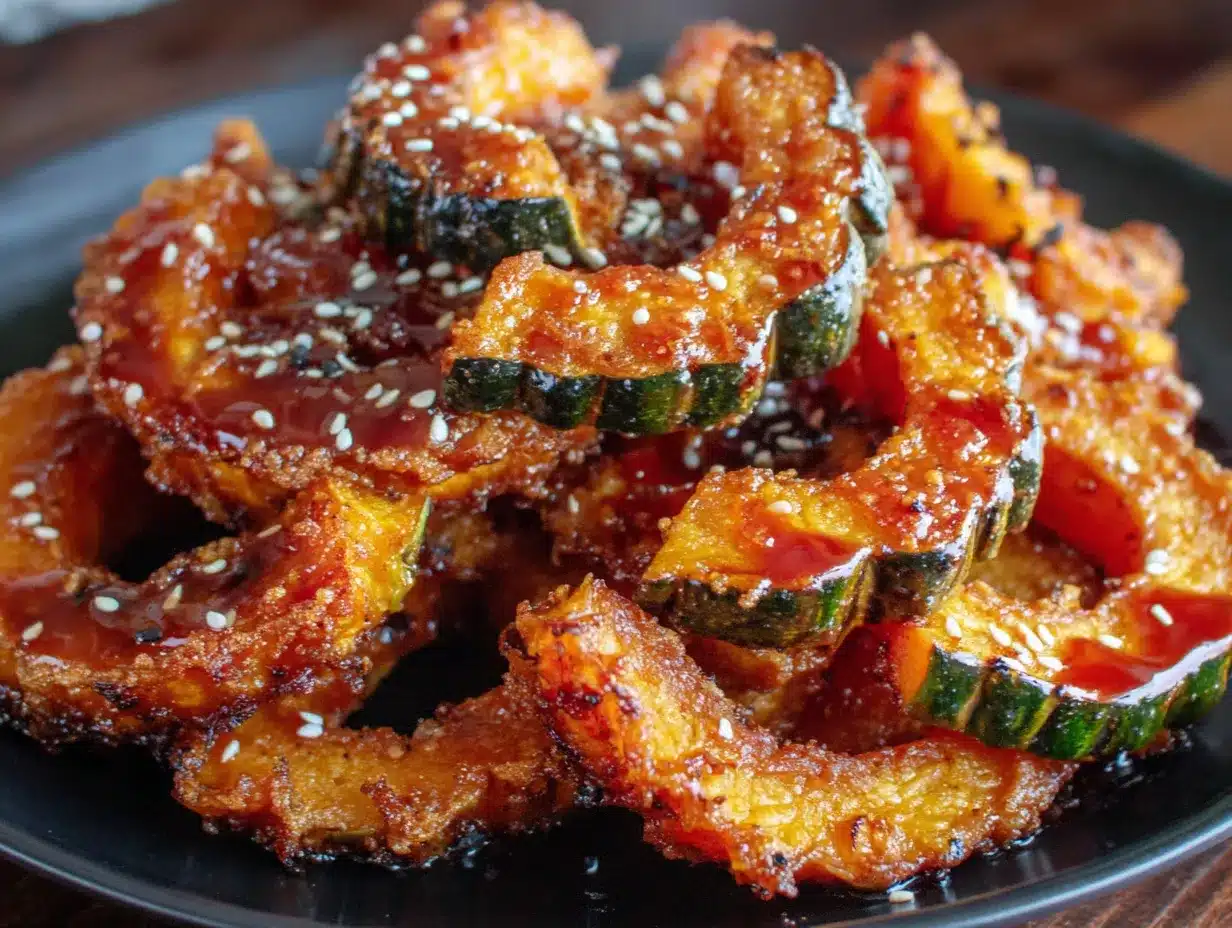
- Unbelievably Delicious: The magic is in the caramelization. The miso and ginger create a sticky, savory-sweet glaze that coats each tender piece of squash. The edges get crispy, the centers stay soft, and the flavor is absolutely next-level.
What makes this recipe different from the rest? It’s the balance. Most roasted squash recipes are either too sweet or too bland. This one hits that perfect savory-sweet note, with a kick of fresh ginger that cuts through the richness. It’s comfort food reimagined—healthier, faster, but with the same soul-soothing satisfaction. Perfect for impressing guests without stress, or turning a simple meal into something memorable.
What Ingredients You Will Need
This recipe uses simple, wholesome ingredients to deliver bold flavor and satisfying texture without the fuss. Most are pantry staples, and the few fresh items are easy to find. Here’s what you’ll need:
- 1 medium kabocha squash (about 2-3 pounds) — Look for one that feels heavy for its size. The skin is edible once cooked, so no need to peel! I prefer organic when I can find it.
- 3 tablespoons white or yellow miso paste — I recommend Miso Master or Hikari for a smooth, balanced flavor. White miso is milder, yellow miso has a bit more punch.
- 2 tablespoons soy sauce (or tamari for gluten-free) — This adds the salty backbone. Low-sodium works fine.
- 2 tablespoons maple syrup (or honey) — For that deep, caramelized sweetness. Maple syrup adds a subtle smokiness that I love.
- 1 tablespoon fresh ginger, grated — This is non-negotiable. Fresh ginger brings a warmth and zing that dried powder just can’t match. Use a microplane for the best texture.
- 2 tablespoons toasted sesame oil — Adds a nutty aroma and helps everything caramelize beautifully.
- 2 cloves garlic, minced — Because garlic makes everything better.
- 1 tablespoon rice vinegar — A splash of acidity to balance the richness.
- 2 tablespoons neutral oil (like avocado or grapeseed) — For roasting the squash.
- Sesame seeds and sliced green onions — For garnish. Optional, but they add a lovely pop of color and texture.
Ingredient Tips: If you can’t find kabocha, buttercup or red kuri squash are great substitutes. For a soy-free version, use coconut aminos. And if you don’t have maple syrup, brown sugar works in a pinch—just dissolve it in the warm miso mixture.
Equipment Needed
You don’t need a fancy kitchen to pull this off. Here’s what I use every time:
- Large baking sheet (half-sheet pan is ideal) — A rimmed sheet prevents any sticky glaze from dripping into your oven.
- Parchment paper — Trust me on this. It makes cleanup a breeze and prevents the squash from sticking.
- Sharp chef’s knife — Kabocha squash is dense. A good knife makes the job safer and easier.
- Microplane or fine grater — For grating the ginger. A box grater works too, but a microplane gives you a paste that dissolves beautifully into the glaze.
- Small mixing bowl — For whisking the miso glaze.
- Spatula or tongs — For tossing the squash with the glaze.
Budget Tip: If you don’t own a microplane, just mince the ginger very finely with a knife. It’s a little more work, but the flavor is still fantastic.
Preparation Method
This recipe comes together in about 45 minutes, most of which is hands-off roasting. Here’s how to do it:
- Preheat your oven to 400°F (200°C). Line a large baking sheet with parchment paper. This is a small step that saves a ton of scrubbing later.
- Prepare the squash. Carefully cut the kabocha squash in half using a sharp knife. Scoop out the seeds and stringy pulp with a spoon. You can save the seeds for roasting later if you like! Cut the squash into 1-inch thick wedges or cubes. The skin is edible, so leave it on—it gets tender and slightly chewy during roasting.
- Make the miso glaze. In a small bowl, whisk together the miso paste, soy sauce, maple syrup, grated ginger, toasted sesame oil, minced garlic, and rice vinegar. It should be smooth and fragrant. Taste it—you want a balance of salty, sweet, and tangy.
- Toss the squash. Place the squash pieces in a large bowl. Drizzle with the neutral oil and toss to coat. Then pour the miso glaze over the squash and toss again until every piece is evenly coated. Don’t skip the neutral oil—it helps the squash roast properly and prevents the glaze from burning.
- Arrange on the baking sheet. Spread the squash pieces in a single layer on the prepared baking sheet. Make sure they aren’t overlapping—crowding the pan leads to steaming instead of caramelization. Leave a little space between each piece.
- Roast for 25-30 minutes. Roast the squash until it’s tender and caramelized. About halfway through, use a spatula to flip the pieces. This ensures even browning. The squash is done when a fork slides in easily and the edges are golden brown and sticky.
- Optional broil for extra caramelization. If you want those deeply charred, crispy edges, switch your oven to broil for the last 2-3 minutes. Watch it closely—it can go from perfect to burnt in seconds!
- Garnish and serve. Transfer the roasted squash to a serving platter. Sprinkle with sesame seeds and sliced green onions. Serve hot or at room temperature.
Sensory Cue: When it’s done, your kitchen will smell like a cozy Japanese restaurant—toasty sesame, warm ginger, and a hint of sweet miso. The squash should be glistening, with sticky, caramelized spots on the edges.
Cooking Tips & Techniques
I’ve made this recipe at least a dozen times, and I’ve learned a few things the hard way. Here are my best tips:
- Don’t skip the neutral oil. The first time I made this, I thought the sesame oil would be enough. It wasn’t. The glaze burned before the squash was tender. The neutral oil raises the smoke point and ensures even cooking.
- Cut the squash into uniform pieces. This is the key to even cooking. If some pieces are much smaller than others, they’ll burn while the larger ones are still hard. Aim for 1-inch thick wedges.
- Flip halfway through. I know it’s tempting to just let it roast, but flipping ensures every side gets that beautiful caramelization. Set a timer if you need to.
- Watch the broiler. I once walked away for “just a minute” and came back to a smoky kitchen. The broiler is powerful—stay nearby.
- Make ahead tip: You can prep the squash and the glaze separately up to a day in advance. Store them in the fridge, then toss and roast when you’re ready. Perfect for busy hosting days.
Common Mistake: Using too much miso. Miso is salty and potent. Stick to the measurements—you can always add more, but you can’t take it out. I learned this the hard way when I made a batch that was practically inedible. Oops.
Variations & Adaptations
This recipe is wonderfully adaptable. Here are a few ways to switch it up:
- Spicy Kick: Add 1 teaspoon of sriracha or a pinch of red pepper flakes to the glaze. The heat pairs beautifully with the sweet squash.
- Vegan-Friendly: This recipe is already vegan if you use maple syrup instead of honey. Double-check your miso paste—most are vegan, but some contain dashi (fish stock).
- Different Squash: No kabocha? Try butternut, acorn, or delicata squash. Adjust cooking time as needed—delicata cooks faster, butternut takes a bit longer.
- Citrus Twist: Add a teaspoon of orange zest to the glaze. The bright citrus notes complement the miso and ginger beautifully.
- Nutty Crunch: Sprinkle toasted walnuts or pecans over the finished dish for added texture. I tried this for a holiday dinner, and it was a hit.
Serving & Storage Suggestions
This squash is incredibly versatile. Here’s how to serve and store it:
- Serving Temperature: It’s delicious hot out of the oven, but I actually prefer it at room temperature. The flavors meld and deepen as it cools. Perfect for potlucks or buffet-style dinners.
- Presentation: Arrange the squash on a large, flat platter. Drizzle any remaining glaze from the pan over the top. Garnish generously with sesame seeds and green onions. A sprinkle of flaky sea salt right before serving adds a nice finishing touch.
- What to Serve Alongside: This pairs beautifully with roasted chicken, grilled fish, or a hearty grain bowl. For a dinner party, serve it alongside a simple green salad and some crusty bread to soak up the glaze.
- Storage: Store leftovers in an airtight container in the refrigerator for up to 4 days. The flavors actually get better overnight!
- Reheating: Reheat in a 350°F (175°C) oven for about 10 minutes, or until warmed through. The microwave works in a pinch, but the oven restores some of that caramelized texture. Avoid high heat, or the miso can burn.
Flavor Note: The squash will soften slightly as it sits, but the flavor becomes even more complex. I’ve been known to eat the leftovers cold, straight from the fridge—don’t judge me until you try it.
Nutritional Information & Benefits
This dish is as nourishing as it is delicious. Here’s a rough estimate per serving (based on 6 servings):
| Nutrient | Amount |
|---|---|
| Calories | 180 |
| Fat | 10g |
| Carbohydrates | 22g |
| Fiber | 4g |
| Sugar | 8g |
| Protein | 4g |
| Sodium | 480mg |
Health Benefits: Kabocha squash is packed with beta-carotene, fiber, and vitamin C. It’s lower in sugar than many other winter squashes, making it a great choice for balanced eating. Ginger is known for its anti-inflammatory properties, and miso provides probiotics that support gut health. This is comfort food that actually makes you feel good.
Dietary Considerations: This recipe is naturally gluten-free (if using tamari), dairy-free, and vegan (with maple syrup). It’s also nut-free and egg-free.
Conclusion
This caramelized ginger miso kabocha squash is more than just a side dish—it’s a conversation starter, a table-stealer, and a recipe you’ll come back to again and again. It’s the kind of dish that makes people ask for the recipe before they’ve even finished eating. I love it because it’s impressive without being fussy, and it proves that simple ingredients, treated with care, can create something truly special. Whether you’re hosting a holiday dinner, heading to a potluck, or just want to make a Tuesday night feel a little more exciting, this squash delivers. I’d love to hear how it turns out for you! Leave a comment below, share your photos, and let me know any twists you added. Happy cooking!
Frequently Asked Questions
Can I use a different type of miso?
Absolutely! White miso (shiro miso) is the mildest and sweetest, making it a great starting point. Yellow miso has a slightly stronger flavor, and red miso (aka miso) is much saltier and more intense. If using red miso, reduce the amount to 2 tablespoons and balance with a little extra maple syrup.
Do I need to peel the kabocha squash?
Nope! The skin of kabocha squash is completely edible and becomes tender when roasted. It’s also where a lot of the fiber and nutrients are. Just give it a good scrub before cutting. If you prefer a softer texture, you can peel it, but I recommend keeping it on for ease and flavor.
Can I make this in an air fryer?
Yes! Preheat your air fryer to 375°F (190°C). Toss the squash with the oil and glaze as directed, then arrange in a single layer in the air fryer basket (you may need to work in batches). Cook for 15-18 minutes, shaking the basket halfway through, until tender and caramelized.
How do I prevent the glaze from burning?
The key is the neutral oil. Don’t skip it! The miso and maple syrup can burn at high temperatures, so the neutral oil raises the smoke point and helps distribute heat evenly. Also, keep an eye on the squash during the last few minutes of roasting, especially if you’re using the broiler.
Can I freeze this dish?
I don’t recommend freezing this particular recipe. The texture of the squash changes significantly after thawing—it becomes mushy and watery. It’s best enjoyed fresh or within a few days of making it. If you have leftovers, just store them in the fridge and reheat gently.
PrintBest Caramelized Ginger Miso Kabocha Squash Recipe
This caramelized ginger miso kabocha squash is the dish that steals the table without a ton of fuss. Sweet, savory, and umami-rich, it’s the perfect side dish for impressing a crowd without breaking a sweat.
- Prep Time: 15 minutes
- Cook Time: 30 minutes
- Total Time: 45 minutes
- Yield: 6 servings 1x
- Category: Side Dish
- Cuisine: Japanese-inspired
Ingredients
- 1 medium kabocha squash (about 2–3 pounds)
- 3 tablespoons white or yellow miso paste
- 2 tablespoons soy sauce (or tamari for gluten-free)
- 2 tablespoons maple syrup (or honey)
- 1 tablespoon fresh ginger, grated
- 2 tablespoons toasted sesame oil
- 2 cloves garlic, minced
- 1 tablespoon rice vinegar
- 2 tablespoons neutral oil (like avocado or grapeseed)
- Sesame seeds and sliced green onions for garnish
Instructions
- Preheat your oven to 400°F (200°C). Line a large baking sheet with parchment paper.
- Carefully cut the kabocha squash in half using a sharp knife. Scoop out the seeds and stringy pulp with a spoon. Cut the squash into 1-inch thick wedges or cubes. The skin is edible, so leave it on.
- In a small bowl, whisk together the miso paste, soy sauce, maple syrup, grated ginger, toasted sesame oil, minced garlic, and rice vinegar until smooth.
- Place the squash pieces in a large bowl. Drizzle with the neutral oil and toss to coat. Then pour the miso glaze over the squash and toss again until every piece is evenly coated.
- Spread the squash pieces in a single layer on the prepared baking sheet, making sure they aren’t overlapping.
- Roast for 25-30 minutes, flipping halfway through, until the squash is tender and caramelized. A fork should slide in easily and the edges should be golden brown and sticky.
- Optional: For extra caramelization, switch your oven to broil for the last 2-3 minutes, watching closely to prevent burning.
- Transfer the roasted squash to a serving platter. Sprinkle with sesame seeds and sliced green onions. Serve hot or at room temperature.
Notes
Don’t skip the neutral oil—it prevents the glaze from burning. Cut squash into uniform pieces for even cooking. Flip halfway through roasting. Watch the broiler closely if using. Can prep squash and glaze separately up to a day in advance. For a soy-free version, use coconut aminos. If using red miso, reduce to 2 tablespoons and add extra maple syrup.
Nutrition
- Serving Size: 1 serving
- Calories: 180
- Sugar: 8
- Sodium: 480
- Fat: 10
- Saturated Fat: 1.5
- Carbohydrates: 22
- Fiber: 4
- Protein: 4
Keywords: kabocha squash, miso, ginger, caramelized, roasted squash, side dish, vegan, gluten-free, potluck, holiday