That first hit of caramelized sweetness—the kind that fills your kitchen before you even pull the pan from the oven—still takes me straight to my grandmother’s tiny farmhouse kitchen. It was late October, and the air had that crisp bite that makes you want to curl up with something warm. She didn’t say much as she tossed rough-cut parsnips and carrots with a glug of olive oil and a splash of balsamic that had been sitting on her counter for what looked like years. I was maybe twelve, skeptical of anything that wasn’t a chicken nugget, but the smell—that deep, sticky, almost jammy aroma—made me hover by the stove.
She slid the pan onto the table, and I remember thinking the vegetables looked like little jewels, all glossy and dark at the edges. I took a bite of a roasted beet, expecting that earthy dirtiness I hated, and instead got pure, concentrated sweetness with a tangy kick. It was a revelation. That moment—standing in her kitchen, understanding that vegetables could taste like candy—changed how I cooked forever.
This Perfect Roasted Root Vegetable Medley with Balsamic Glaze is my grown-up homage to that night. It’s the dish I turn to when I want something that feels both rustic and special, a side that steals the show without any fuss. Honestly, it’s the kind of recipe that makes you wonder why you ever bothered with plain steamed veggies.
So, let’s get those roots roasting.
Why You’ll Love This Recipe
I’ve tested this medley more times than I can count—through soggy failures, burnt edges, and one particularly sad attempt where I forgot the balsamic entirely. This version is the one I keep coming back to, and here’s why it works:
- Incredibly Simple: You chop, toss, and roast. That’s it. No blanching, no parboiling, no complicated steps. It’s the kind of recipe you can whip up on a Tuesday night without breaking a sweat.
- Minimal Ingredients: Root vegetables, olive oil, balsamic vinegar, salt, pepper, and a few herbs. You probably have most of these in your pantry right now. No fancy trips to specialty stores required.
- Perfect for Any Gathering: Whether it’s a cozy Thanksgiving table, a summer barbecue, or a simple weeknight dinner, this medley fits right in. It’s elegant enough for guests but easy enough for a quiet night in. I’ve even brought it to potlucks, and it always disappears first.
- Crowd-Pleasing Magic: I’ve watched kids who swear they hate vegetables go back for seconds of these caramelized roots. The roasting process transforms them into something sweet, tender, and utterly irresistible. It’s a guaranteed win.
- Unbelievably Delicious: The combination of earthy beets, sweet carrots, and nutty parsnips, all coated in a sticky balsamic glaze, is pure comfort. The edges get crispy, the insides stay soft, and every bite is a little different. It’s next-level comfort food that feels indulgent but is secretly good for you.
This isn’t just another roasted vegetable recipe. The trick is roasting at a high enough temperature to get that deep caramelization without burning the balsamic. I learned that the hard way—trust me, burnt balsamic is not a pleasant aroma. This version nails that perfect balance every time.
What Ingredients You Will Need
This recipe relies on simple, hearty ingredients that work together to create something truly special. Most of these are pantry staples or easy to find at any grocery store. Let’s break down what you’ll need and why each one matters.
- Carrots (4 medium, peeled and cut into 2-inch chunks): I prefer using larger carrots for roasting—they hold their shape better and get beautifully sweet. Baby carrots work in a pinch, but they tend to cook faster and can get mushy. Look for firm, bright orange carrots with no cracks.
- Parsnips (3 medium, peeled and cut into 2-inch chunks): Parsnips are the unsung heroes of this medley. They have a subtle, almost nutty sweetness that intensifies with roasting. Make sure to cut out the woody core if they’re large—it can be tough and fibrous.
- Beets (2 medium, peeled and cut into 1.5-inch chunks): Golden beets are my personal favorite here—they don’t bleed as much as red beets, and their sweetness is milder. But red beets work beautifully too, just be prepared for pink-stained hands and cutting boards. I recommend wearing gloves when handling them.
- Sweet Potato (1 medium, peeled and cut into 2-inch chunks): Sweet potatoes add a creamy texture and natural sweetness that pairs perfectly with the balsamic glaze. I like using orange-fleshed sweet potatoes, but any variety works.
- Red Onion (1 medium, cut into 1-inch wedges): Red onion adds a mild, sweet flavor when roasted. The edges get crispy and almost caramelized, adding a lovely contrast in texture. Don’t skip it—it’s a key player.
- Garlic (4 cloves, whole or lightly smashed): Whole garlic cloves roast into soft, buttery morsels that are absolutely addictive. They infuse the vegetables with a gentle, savory aroma without overpowering them.
- Olive Oil (3 tablespoons): Use a good-quality extra virgin olive oil for the best flavor. It helps the vegetables brown evenly and carries the seasoning. Avocado oil works as a substitute if you prefer a neutral flavor.
- Balsamic Vinegar (2 tablespoons): This is the star of the glaze. I recommend using a decent-quality balsamic—not the super expensive aged stuff, but not the cheap vinegar either. Look for one that’s slightly thick with a hint of sweetness. I personally like Colavita or Lucini for everyday cooking.
- Honey or Maple Syrup (1 tablespoon): A touch of sweetness helps balance the acidity of the balsamic and encourages caramelization. Maple syrup adds a lovely earthy note, while honey is more neutral. Both work great.
- Fresh Thyme (4-5 sprigs): Thyme adds an earthy, slightly floral note that complements root vegetables perfectly. If you don’t have fresh, use 1 teaspoon of dried thyme—but fresh really does make a difference here.
- Salt and Black Pepper (to taste): I use kosher salt for its clean flavor and coarse texture. Freshly ground black pepper is non-negotiable—it adds warmth and depth.
- Optional Garnishes: Fresh parsley, chopped walnuts, crumbled goat cheese, or a sprinkle of flaky sea salt. These are nice touches but entirely optional.
Equipment Needed
You don’t need a lot of fancy equipment for this recipe, which is part of its charm. Here’s what you’ll need:
- Large Baking Sheet: A rimmed baking sheet is essential—it catches any juices and prevents spills. I recommend using a half-sheet pan (18×13 inches) for even roasting. If you don’t have one, use two smaller pans to avoid overcrowding.
- Chef’s Knife: A sharp chef’s knife makes chopping root vegetables a breeze. I’ve been using my Wusthof for years, and it’s worth the investment. If you’re on a budget, a good Victorinox knife is a solid alternative.
- Cutting Board: A large, sturdy cutting board is a must. I prefer wood or bamboo—they’re gentler on knives and look nice. Just make sure to wash it thoroughly after handling beets.
- Mixing Bowl: A large bowl for tossing the vegetables with oil and seasonings. Any bowl will do, but a wide one makes mixing easier.
- Parchment Paper or Silicone Baking Mat: These make cleanup a breeze and prevent sticking. Parchment paper is cheap and disposable, while silicone mats are reusable and eco-friendly.
- Vegetable Peeler: A good peeler saves time and frustration. I like the Y-shaped ones—they’re fast and comfortable to hold.
If you don’t have a baking sheet, a large cast-iron skillet works beautifully for roasting. Just be aware that it might cook faster due to the heat retention. And if you’re short on time, you can skip the parchment paper and just oil the pan directly—just scrub a little harder during cleanup.
Preparation Method
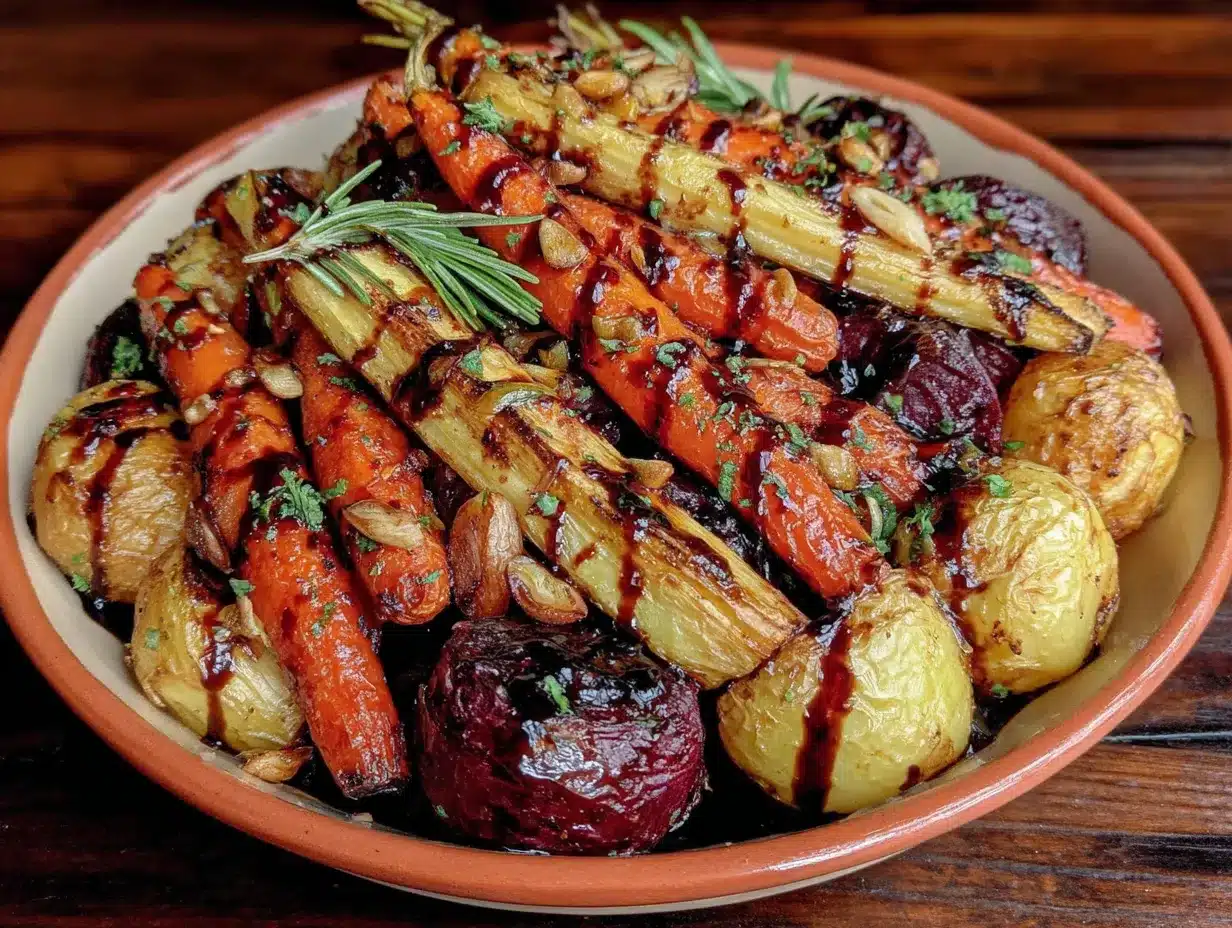
Let’s get cooking. This method is straightforward, but a few key steps make all the difference.
- Preheat your oven to 425°F (220°C). This high heat is crucial for caramelization. Don’t skip this step—a hot oven is your best friend for crispy, golden vegetables.
- Prepare your vegetables. Peel the carrots, parsnips, beets, and sweet potato. Cut them into uniform 2-inch chunks. This ensures even cooking—smaller pieces will burn, and larger ones will be raw in the middle. Cut the red onion into 1-inch wedges, keeping the root end intact so they hold together. Peel the garlic cloves but leave them whole.
- Toss with oil and seasonings. In a large mixing bowl, combine the chopped vegetables and garlic. Drizzle with olive oil, balsamic vinegar, and honey (or maple syrup). Add the fresh thyme sprigs, salt, and a generous grind of black pepper. Toss everything well with your hands—yes, your hands are the best tool here—until every piece is evenly coated.
- Arrange on the baking sheet. Line your baking sheet with parchment paper or a silicone mat. Spread the vegetables in a single, even layer. Make sure they’re not crowded—if they’re too close together, they’ll steam instead of roast. If needed, use two baking sheets. Leave a little space between each piece for optimal browning.
- Roast for 25 minutes. Place the baking sheet in the preheated oven. After 25 minutes, remove it and carefully flip each piece using a spatula or tongs. The bottoms should be golden and caramelized. Return the sheet to the oven, rotating it for even cooking.
- Roast for another 15-20 minutes. Continue roasting until the vegetables are tender when pierced with a fork and deeply caramelized on the edges. The total roasting time is usually 40-45 minutes, but it can vary depending on the size of your chunks and your oven. Keep an eye on them toward the end—you want them golden, not black.
- Finish with a balsamic glaze. While the vegetables roast, prepare the glaze. In a small saucepan, combine 1/4 cup balsamic vinegar and 1 tablespoon honey (or maple syrup). Simmer over medium heat, stirring occasionally, until it thickens and reduces by about half—about 5-7 minutes. It should coat the back of a spoon. Be careful not to burn it; it can go from perfect to acrid very quickly.
- Serve and garnish. Remove the roasted vegetables from the oven and transfer them to a serving platter. Drizzle the balsamic glaze over the top. Garnish with fresh parsley, chopped walnuts, or crumbled goat cheese if desired. Serve immediately while they’re hot and crispy.
A quick note: if you’re using red beets, consider roasting them separately on a small pan. Their color can bleed into the other vegetables, turning everything a lovely shade of pink. Some people love that look, but if you want distinct colors, keep them separate.
Cooking Tips & Techniques
I’ve made this recipe more times than I can count, and I’ve learned a few things along the way. Here are my best tips for perfect roasted root vegetables every time.
Don’t overcrowd the pan. This is the number one mistake I see. If the vegetables are too close together, they release steam and never get that beautiful caramelization. Give them room to breathe. If you’re cooking for a crowd, use two pans.
Cut uniform pieces. I learned this the hard way after a batch where some pieces were burnt and others were raw. Spend the extra minute making sure your chunks are roughly the same size. It makes a world of difference.
Use high heat. 425°F is non-negotiable. Lower temperatures will cook the vegetables through but won’t give you that deep, golden crust. Trust the heat—it’s your friend.
Flip halfway through. This ensures even browning. I use a thin metal spatula for easy flipping. If the vegetables stick a little, don’t force them—they’ll release naturally once they’re caramelized enough.
Watch the garlic. Garlic cloves can burn faster than the vegetables. If they start looking too dark, remove them from the pan and set them aside. They’ll still be delicious, just don’t let them turn bitter.
Make the glaze fresh. The balsamic glaze is best made right before serving. It thickens as it cools, so if you make it ahead, gently reheat it with a splash of water to thin it out.
Season generously. Root vegetables need a good amount of salt to bring out their natural sweetness. Don’t be shy—taste a piece after roasting and add more salt if needed.
I once forgot to flip the vegetables entirely and ended up with a pan of half-burnt, half-raw roots. It was a sad dinner, but I learned my lesson. Now I set a timer and never skip the flip.
Variations & Adaptations
This recipe is wonderfully flexible. Here are some of my favorite ways to change it up.
Seasonal Swaps: In the fall, add cubed butternut squash or diced apples for extra sweetness. In the spring, swap in radishes and asparagus for a lighter medley. Summer calls for zucchini and bell peppers—just add them halfway through since they cook faster.
Herb Variations: Rosemary is a classic pairing with root vegetables. Use fresh rosemary sprigs instead of thyme for a more piney, aromatic flavor. Sage also works beautifully, especially in the colder months. Dried oregano or marjoram can add a Mediterranean twist.
Spice It Up: Add a pinch of smoked paprika or cayenne pepper for a subtle kick. Cumin and coriander bring warmth and depth. For a sweeter version, toss the vegetables with a little cinnamon and nutmeg before roasting.
Dietary Adaptations: This recipe is naturally gluten-free and dairy-free as written. For a vegan version, use maple syrup instead of honey—it works perfectly. If you’re avoiding added sugar, you can skip the honey entirely and rely on the natural sweetness of the vegetables and balsamic.
Different Cooking Methods: You can make this in an air fryer for faster cooking—just cook in batches at 400°F for 15-20 minutes, shaking halfway through. For a grill version, thread the vegetables onto skewers and grill over medium heat until tender and charred.
Add Protein: Toss in cubed chicken thighs or sausage links during the last 20 minutes of roasting for a complete meal. The juices from the meat will flavor the vegetables beautifully.
My personal favorite variation is adding a handful of fresh pomegranate seeds and crumbled feta cheese right before serving. The tartness and creaminess balance the sweetness of the roasted roots perfectly. It’s become my go-to holiday side dish.
Serving & Storage Suggestions
This medley is incredibly versatile when it comes to serving. Here’s how I like to enjoy it.
Serving Temperature: Serve the vegetables hot, straight from the oven, when they’re at their crispiest. They’re also delicious at room temperature—perfect for picnics, potlucks, or as a warm salad topping. I’ve even eaten them cold straight from the fridge, and they’re still good.
Presentation: Arrange the roasted vegetables on a large platter in a single layer. Drizzle the balsamic glaze in a zigzag pattern over the top. Garnish with fresh herbs, a sprinkle of flaky sea salt, and maybe some toasted nuts or seeds. It looks stunning with minimal effort.
Complementary Dishes: This medley pairs beautifully with roasted chicken, grilled steak, or baked salmon. It’s also a fantastic side for holiday feasts—think Thanksgiving, Easter, or Christmas dinner. For a vegetarian meal, serve it alongside a hearty grain like quinoa or farro, or with a simple green salad. A creamy creamy parmesan risotto would be a dreamy pairing, or you could serve it next to some easy garlic butter chicken with asparagus for a complete meal.
Storage: Store leftover roasted vegetables in an airtight container in the refrigerator for up to 4 days. The flavors actually deepen and meld together overnight, making them even more delicious the next day. Just keep the glaze separate if you can—it can make the vegetables soggy if stored together.
Reheating: The best way to reheat is in the oven at 375°F for 5-7 minutes, which restores some of the crispiness. You can also reheat in a skillet over medium heat with a splash of olive oil. Avoid the microwave—it will make them soft and sad.
Freezing: You can freeze the roasted vegetables for up to 3 months. Spread them on a baking sheet and freeze until solid, then transfer to a freezer bag. Reheat directly from frozen in a hot oven. The texture won’t be quite as crispy, but they’re still delicious in soups, stews, or as a quick side.
Nutritional Information & Benefits
This medley is as good for you as it is delicious. Here’s a rough breakdown per serving (about 1 cup):
- Calories: 180-220
- Fat: 8-10g (mostly from healthy olive oil)
- Carbohydrates: 28-32g
- Fiber: 6-8g
- Protein: 3-4g
- Sugar: 12-15g (natural sugars from vegetables)
Health Benefits: Root vegetables are packed with vitamins and minerals. Carrots are rich in beta-carotene (vitamin A), which supports eye health. Beets are loaded with folate and nitrates that can help lower blood pressure. Parsnips provide a good dose of vitamin C and fiber, which aids digestion. Sweet potatoes are an excellent source of vitamin A and potassium.
Dietary Considerations: This recipe is naturally gluten-free, dairy-free, and nut-free (unless you add nuts as a garnish). It’s also vegetarian and can easily be made vegan by using maple syrup instead of honey. The high fiber content makes it a great option for supporting digestive health.
Potential Allergens: None in the base recipe, but be mindful of any garnishes you add. Goat cheese and nuts are common allergens.
I love that this dish feels indulgent—all those caramelized edges and sticky glaze—but it’s actually packed with nutrients. It’s comfort food you can feel good about eating.
Conclusion
This Perfect Roasted Root Vegetable Medley with Balsamic Glaze is more than just a side dish—it’s a celebration of simple ingredients transformed into something extraordinary. It’s the recipe I turn to when I want to impress without stress, when I need a comforting side that feels special, or when I just want to fill my kitchen with that incredible caramelized aroma.
I hope you’ll take this recipe and make it your own. Swap in your favorite vegetables, experiment with different herbs, or add your own special touch. That’s the beauty of cooking—it’s never the same twice, and it always tastes better when you put a little of yourself into it.
Give this medley a try, and let me know how it turns out. Did you add a secret ingredient? Find a new favorite combination? I’d love to hear about it in the comments below. And if you’re looking for another crowd-pleasing side, you might enjoy this creamy loaded baked potato salad for your next gathering.
Happy roasting, friends. Your kitchen is about to smell amazing.
Frequently Asked Questions
Can I use frozen vegetables for this recipe?
I don’t recommend it. Frozen vegetables release too much water as they thaw, which prevents proper caramelization. You’ll end up with steamed, soggy vegetables instead of crispy, golden ones. Stick with fresh for the best results.
How do I prevent the balsamic glaze from burning?
Keep a close eye on it while it simmers. The glaze can go from perfectly thick to burnt in seconds. Remove it from the heat as soon as it coats the back of a spoon. If it gets too thick, whisk in a teaspoon of water to thin it out.
Can I make this recipe ahead of time?
Absolutely. You can chop the vegetables up to 24 hours in advance and store them in a sealed bag in the refrigerator. You can also roast them a day ahead and reheat in a hot oven for 5-7 minutes before serving. Just keep the glaze separate until serving.
What’s the best way to peel beets without staining my hands?
Wear disposable kitchen gloves—it’s a game-changer. You can also hold the beet with a paper towel while peeling. If your hands do get stained, rub them with lemon juice or a mixture of baking soda and water to help remove the color.
Can I add other vegetables to this medley?
Yes, this recipe is very flexible. Try adding cubed butternut squash, turnips, celery root, or even Brussels sprouts. Just be mindful of cooking times—softer vegetables like zucchini should be added halfway through, while denser roots like potatoes can go in from the start.
Pin This Recipe!
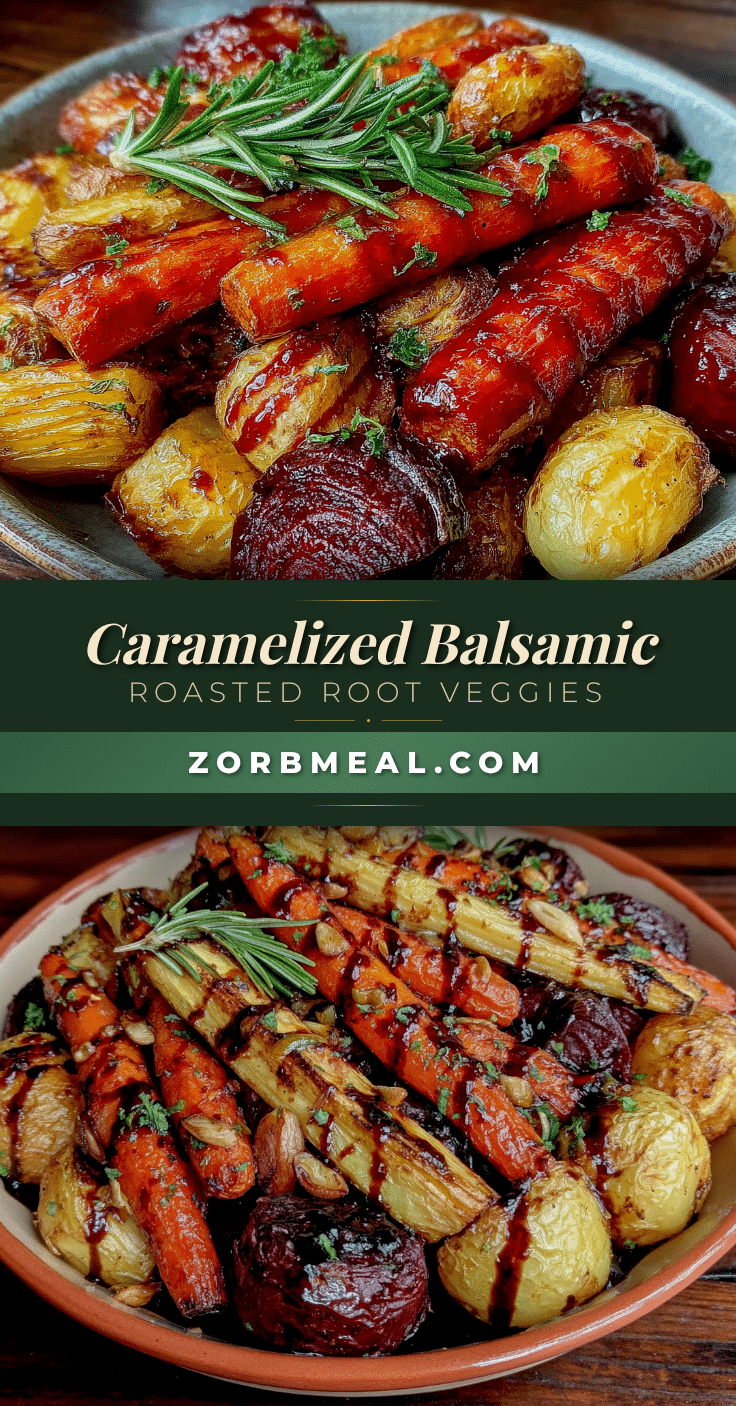
Perfect Roasted Root Vegetable Medley with Balsamic Glaze
This Perfect Roasted Root Vegetable Medley with Balsamic Glaze is a rustic yet elegant side dish that transforms simple root vegetables into caramelized, sweet, and tender bites. With a sticky balsamic glaze and minimal effort, it’s a crowd-pleasing recipe perfect for any gathering or weeknight dinner.
- Prep Time: 15 minutes
- Cook Time: 40-45 minutes
- Total Time: 55-60 minutes
- Yield: 4-6 servings 1x
- Category: Side Dish
- Cuisine: American
Ingredients
- 4 medium carrots, peeled and cut into 2-inch chunks
- 3 medium parsnips, peeled and cut into 2-inch chunks
- 2 medium beets, peeled and cut into 1.5-inch chunks
- 1 medium sweet potato, peeled and cut into 2-inch chunks
- 1 medium red onion, cut into 1-inch wedges
- 4 cloves garlic, whole or lightly smashed
- 3 tablespoons olive oil
- 2 tablespoons balsamic vinegar
- 1 tablespoon honey or maple syrup
- 4–5 sprigs fresh thyme
- Salt and black pepper to taste
- Optional garnishes: fresh parsley, chopped walnuts, crumbled goat cheese, flaky sea salt
Instructions
- Preheat your oven to 425°F (220°C).
- Prepare your vegetables: peel the carrots, parsnips, beets, and sweet potato. Cut them into uniform 2-inch chunks. Cut the red onion into 1-inch wedges, keeping the root end intact. Peel the garlic cloves but leave them whole.
- In a large mixing bowl, combine the chopped vegetables and garlic. Drizzle with olive oil, balsamic vinegar, and honey (or maple syrup). Add the fresh thyme sprigs, salt, and a generous grind of black pepper. Toss everything well with your hands until every piece is evenly coated.
- Line your baking sheet with parchment paper or a silicone mat. Spread the vegetables in a single, even layer, making sure they are not crowded. If needed, use two baking sheets.
- Roast for 25 minutes. Remove the baking sheet and carefully flip each piece using a spatula or tongs. Return the sheet to the oven, rotating it for even cooking.
- Roast for another 15-20 minutes, until the vegetables are tender when pierced with a fork and deeply caramelized on the edges. Total roasting time is usually 40-45 minutes.
- While the vegetables roast, prepare the glaze: In a small saucepan, combine 1/4 cup balsamic vinegar and 1 tablespoon honey (or maple syrup). Simmer over medium heat, stirring occasionally, until it thickens and reduces by about half—about 5-7 minutes. It should coat the back of a spoon. Be careful not to burn it.
- Remove the roasted vegetables from the oven and transfer them to a serving platter. Drizzle the balsamic glaze over the top. Garnish with fresh parsley, chopped walnuts, or crumbled goat cheese if desired. Serve immediately.
Notes
For best caramelization, do not overcrowd the pan. Cut vegetables into uniform pieces for even cooking. If using red beets, consider roasting them separately to prevent color bleeding. Watch the garlic cloves as they can burn faster than the vegetables. Make the balsamic glaze fresh just before serving. Leftovers can be stored in an airtight container in the refrigerator for up to 4 days; reheat in the oven at 375°F for 5-7 minutes to restore crispiness.
Nutrition
- Serving Size: 1 cup
- Calories: 180220
- Sugar: 1215
- Sodium: 300400
- Fat: 810
- Saturated Fat: 12
- Carbohydrates: 2832
- Fiber: 68
- Protein: 34
Keywords: roasted root vegetables, balsamic glaze, vegetable medley, side dish, holiday side, vegetarian, gluten-free