“Hey, you ever tried burnt ends?” my buddy hollered from across the backyard, waving a foil tray like a trophy. It was one of those impromptu barbecue afternoons where the smoke from the pit hung thick, and I was honestly skeptical. I’d heard about Kansas City style burnt ends, but wasn’t sure what the fuss was all about. The promise of smoky caramelized bark sounded fancy, but could it really live up to the hype?
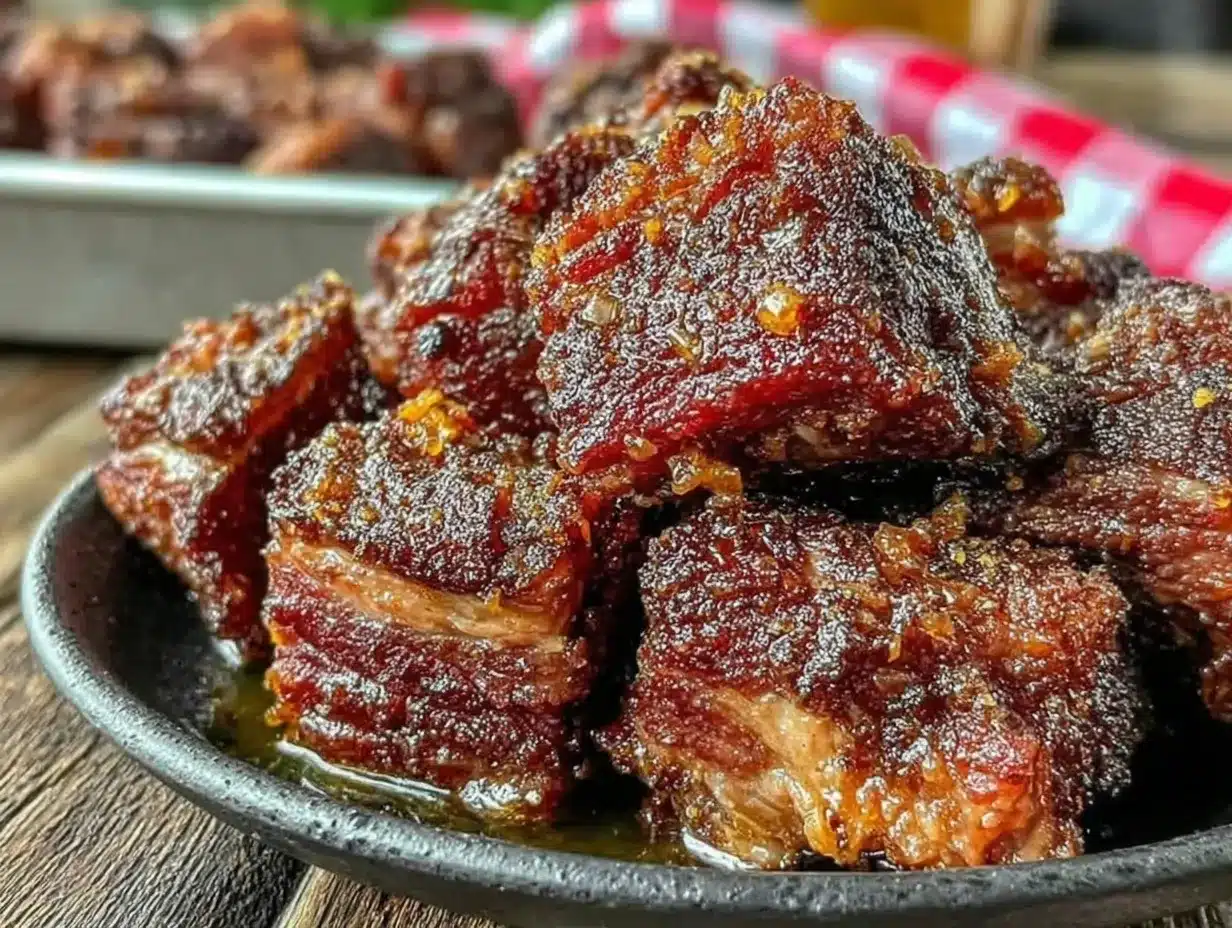
As the sun dipped lower, the first bite changed everything. The meat was tender, with a bark so rich and smoky it practically melted on my tongue. That day, I caught myself sneaking back to the tray more times than I care to admit. The magic wasn’t just the flavor—it was the way those burnt ends hit that perfect balance of sweet, smoky, and a little bit sticky.
Since that afternoon, I’ve been obsessed with recreating this flavorful Kansas City style burnt ends recipe right in my backyard smoker. What started as a casual “let’s see what happens” turned into a ritual I make at least twice a month—sometimes thrice if I’m honest. The smoky caramelized bark is the real star, and getting it just right feels like a small victory every time.
It’s not just about the food either. It’s the rhythm of prepping the brisket, the slow dance with smoke and fire, and the satisfaction of sharing that sweet, smoky goodness with friends and family. This recipe stuck with me because it’s more than a dish—it’s an experience that brings people together without fuss or pretense.
Why You’ll Love This Recipe
Making flavorful Kansas City style burnt ends with that iconic smoky caramelized bark is a game-changer for anyone who enjoys barbecue. I’ve tested this method multiple times, tweaking the rub and smoke time until I found the sweet spot. Here’s why this recipe stands out:
- Quick & Easy: While it’s a slow-cooked delight, the hands-on time is surprisingly short—perfect for squeezing into busy weekends or spontaneous cookouts.
- Simple Ingredients: Nothing fancy or hard to track down here. Just a few pantry staples and quality brisket point, and you’re set.
- Perfect for Gatherings: Whether it’s a backyard party or casual family dinner, burnt ends always bring the crowd together.
- Crowd-Pleaser: Even people who say they’re “not really into barbecue” find themselves hooked on the sweet, smoky caramelized bark.
- Unbelievably Delicious: The combination of tender meat and that sticky, smoky crust is honestly next-level comfort food.
What sets this Kansas City style burnt ends recipe apart is the little trick of tossing the cubed brisket back in the smoker with a homemade glaze that thickens into that perfect bark. It’s not just about cooking low and slow; it’s about layering flavor and texture in a way that makes every bite worth savoring.
Plus, I love how this recipe fits seamlessly into a day of cooking—you can start the brisket in the morning, relax a bit, and have that rich smoky aroma filling the house as you get ready to enjoy the feast. It’s comfort food that feels like a treat but doesn’t require hours of babysitting.
What Ingredients You Will Need
This flavorful Kansas City style burnt ends recipe uses simple, wholesome ingredients to deliver bold flavor and satisfying texture without any complicated steps. Most of these are pantry staples, and the brisket point is the star ingredient you’ll want to source carefully.
- Brisket Point: 4 to 5 pounds (1.8 to 2.3 kg), preferably well-marbled for tenderness and flavor.
- Dry Rub:
- 2 tablespoons paprika (smoked paprika works great for extra depth)
- 1 tablespoon kosher salt
- 1 tablespoon black pepper, freshly ground
- 1 tablespoon garlic powder
- 1 tablespoon onion powder
- 1 teaspoon cayenne pepper (optional, for a mild kick)
- BBQ Sauce Glaze:
- 1 cup Kansas City style BBQ sauce (I prefer Sweet Baby Ray’s for its balance of sweet and tangy)
- 2 tablespoons honey or brown sugar (to enhance caramelization)
- 1 tablespoon apple cider vinegar (adds a nice tang)
- 1 teaspoon Worcestershire sauce (adds umami depth)
- Wood for Smoking: Choose hickory or oak chunks for that classic smoky flavor.
- Optional: Mustard for slathering the brisket before the rub (helps the rub stick and adds subtle tang).
If you’re aiming for a gluten-free version, just double-check your BBQ sauce ingredients. For a dairy-free twist, this recipe is naturally free from dairy, making it easy to enjoy no matter your dietary needs.
When picking your brisket point, look for one with good marbling—this fat renders down and keeps the burnt ends juicy and flavorful. If you can’t find a whole point, ask your butcher for a point cut separate from the flat.
Equipment Needed
To nail the smoky caramelized bark on these Kansas City style burnt ends, you’ll want some basic but specific equipment on hand. Here’s what I use and recommend:
- Smoker or Charcoal Grill: A dedicated smoker is ideal (I use a Weber Smokey Mountain), but a charcoal grill with a smoker box works well too.
- Meat Thermometer: An instant-read thermometer is essential to monitor internal temps without guessing.
- Sharp Knife: To trim and cube the brisket point cleanly.
- Mixing Bowls: For mixing the dry rub and BBQ sauce glaze.
- Aluminum Foil or Pans: To hold the burnt ends during the second cook and glazing phase.
If you don’t have a smoker, no worries. You can try the recipe on a grill set up for indirect heat, adding soaked wood chips in a smoker box. While not quite the same, it still gets you that smoky flavor.
Keeping your smoker clean and well-maintained is key to consistent results. I wipe down grates after every use and check the water pan levels to keep the temperature steady—trust me, it makes a difference.
Preparation Method
- Trim the Brisket Point: Trim excess fat, leaving about ¼ inch for flavor and moisture. Remove any silver skin or tough bits. This takes about 10 minutes.
- Apply Mustard (Optional): Lightly coat the brisket point with yellow mustard to help the rub stick better. It won’t taste mustardy, promise. Takes 2 minutes.
- Mix and Apply Dry Rub: Combine paprika, salt, pepper, garlic powder, onion powder, and cayenne in a bowl. Rub generously all over the brisket point, pressing to adhere. Let it rest for 15-30 minutes if you have time.
- Preheat Smoker: Bring your smoker to a steady 225°F (107°C). Add hickory or oak wood chunks for smoke.
- Smoke the Brisket Point: Place the brisket point fat side up on the smoker grate. Maintain 225°F and smoke until internal temperature reaches 190°F (88°C), about 5-6 hours. The bark should be dark and caramelized, not burnt.
- Rest and Cube: Remove the brisket from the smoker and let it rest for 20 minutes. Then, cut into 1-inch (2.5 cm) cubes.
- Prepare the Glaze: In a bowl, mix BBQ sauce, honey (or brown sugar), apple cider vinegar, and Worcestershire sauce.
- Glaze and Return to Smoker: Toss the cubed brisket in the glaze until coated well. Transfer to a foil pan and return to the smoker.
- Finish Cooking: Smoke for an additional 1-2 hours at 225°F (107°C), stirring every 30 minutes to coat the burnt ends and develop that sticky, caramelized bark. Look for a glossy, deep mahogany finish with a slightly crisp exterior.
- Serve Warm: Burnt ends are best served fresh and warm, straight off the smoker.
Some tips: If you notice the bark getting too dark too fast, tent loosely with foil to prevent burning. Also, be patient during the glaze phase—the magic happens as sugars caramelize slowly over time.
Cooking Tips & Techniques
Getting those flavorful Kansas City style burnt ends just right demands a few tricks I picked up through trial and error. For example, I used to rush the smoking process, and the result was dry burnt ends that lacked that tender bite.
Never skip resting the brisket before cubing—it helps the juices redistribute, so your burnt ends stay moist. I also learned that tossing the cubes in a thick glaze and returning them to low heat is what creates that irresistible bark.
Maintaining a steady smoker temperature around 225°F (107°C) is crucial. Fluctuations can lead to uneven cooking or bitter smoke flavors. I recommend investing in a reliable digital thermometer with a probe.
Another common mistake is using too much sugar in the rub or glaze without balancing acidity. That’s why the apple cider vinegar and Worcestershire sauce are vital—they keep the sweetness in check and add depth.
Finally, patience is your friend here. Those extra hours in the smoker after glazing might seem tedious, but that’s when the magic thickens the sauce and crisps the bark without drying out the meat.
Variations & Adaptations
This recipe is super adaptable depending on your taste and dietary preferences. Here are a few ways to switch it up:
- Spicy Burnt Ends: Add extra cayenne or chipotle powder to the rub and swap honey for a spicy chili honey glaze.
- Sweet & Smoky: Use a molasses-based BBQ sauce and add a sprinkle of cinnamon in the dry rub for a warm, sweet note.
- Gluten-Free: Use a gluten-free BBQ sauce and ensure all spices are certified gluten-free.
- Oven Method: If you don’t have a smoker, smoke the brisket point with liquid smoke in the rub, then finish cooking low and slow in the oven at 250°F (121°C). Glaze and broil briefly to get the bark.
- Personal Favorite: I like to add a dash of espresso powder to the rub for a subtle earthy bitterness that balances the sweetness beautifully.
Remember, burnt ends are forgiving. Feel free to tweak the glaze or rub to match your flavor vibe. If you enjoy dishes like my easy 3-ingredient crockpot salsa chicken, you’ll appreciate how straightforward this burnt ends recipe is despite the complex flavors.
Serving & Storage Suggestions
Serve these Kansas City style burnt ends warm, straight from the smoker or oven. They’re fantastic piled high on a platter with extra BBQ sauce on the side, and a sprinkle of fresh chopped parsley if you want a pop of color.
For a full meal, pair with classic sides like baked beans, coleslaw, or cornbread. I’ve also enjoyed them tossed into sandwiches with pickles and a slaw topping for a handheld feast.
Leftovers store well in an airtight container in the fridge for up to 4 days. When reheating, warm gently in the oven at 300°F (150°C) covered with foil to keep them moist. Avoid microwaving if you want to preserve that bark texture.
Burnt ends also freeze beautifully for up to 3 months. Thaw overnight in the fridge and reheat as above. Flavors tend to deepen after resting, so sometimes the next-day burnt ends taste even better.
If you’re looking for other comforting dishes with a smoky or hearty vibe, my creamy chicken and dumpling soup pairs wonderfully after a smoky meal like this.
Nutritional Information & Benefits
Per serving (approx. 4 oz / 112 g):
| Calories | 320 |
|---|---|
| Protein | 28g |
| Fat | 20g |
| Carbohydrates | 8g |
| Sugar | 6g |
Brisket is rich in protein and iron, essential for energy and muscle repair. The moderate fat content comes mostly from the marbling that keeps burnt ends tender and flavorful. Using a balanced BBQ sauce keeps added sugars in check while giving that signature caramelized finish.
This recipe is naturally gluten-free and dairy-free, making it suitable for many dietary lifestyles. Just watch the BBQ sauce ingredients if you’re avoiding gluten.
From a wellness perspective, this burnt ends recipe offers a satisfying way to enjoy red meat without heavy additives or processed ingredients. The smoky bark adds complexity without extra calories, making it a flavorful, thoughtful option for special meals.
Conclusion
Flavorful Kansas City style burnt ends with smoky caramelized bark are one of those recipes that stick with you. It’s not just about the meat—it’s the ritual, the smoke, and that sticky, sweet bark that makes every bite special.
Feel free to tweak the rub, glaze, or smoking method to suit your taste. Whether you’re cooking for a crowd or just craving something soulful, this recipe delivers without fuss.
I love how these burnt ends bring people together—no fancy plating, just honest, crave-worthy barbecue. If you try this recipe, I’d love to hear about your variations or tips in the comments!
And hey, if you want more simple recipes with big flavors, check out my fresh avocado egg salad lettuce wraps for a lighter bite that complements smoky dishes beautifully.
Frequently Asked Questions
What cut of brisket is best for burnt ends?
The brisket point is ideal for burnt ends because it has more marbling and fat, which keeps the meat tender and flavorful during the long cook.
Can I make burnt ends without a smoker?
Yes! You can simulate smoky flavor using liquid smoke in the rub and finish cooking in an oven. Use indirect heat on a grill with wood chips, too, if you have one.
How long does it take to smoke burnt ends?
Smoking the brisket point usually takes 5 to 6 hours at 225°F (107°C), plus an additional 1 to 2 hours after cubing and glazing for that perfect caramelized bark.
Can I prepare burnt ends in advance?
Absolutely. You can smoke the brisket a day ahead, cube, glaze, and reheat gently before serving. Leftovers keep well refrigerated or frozen.
What wood is best for smoking burnt ends?
Hickory and oak are classic choices for Kansas City style burnt ends, delivering a strong but balanced smoky flavor that complements the rich beef.
Pin This Recipe!
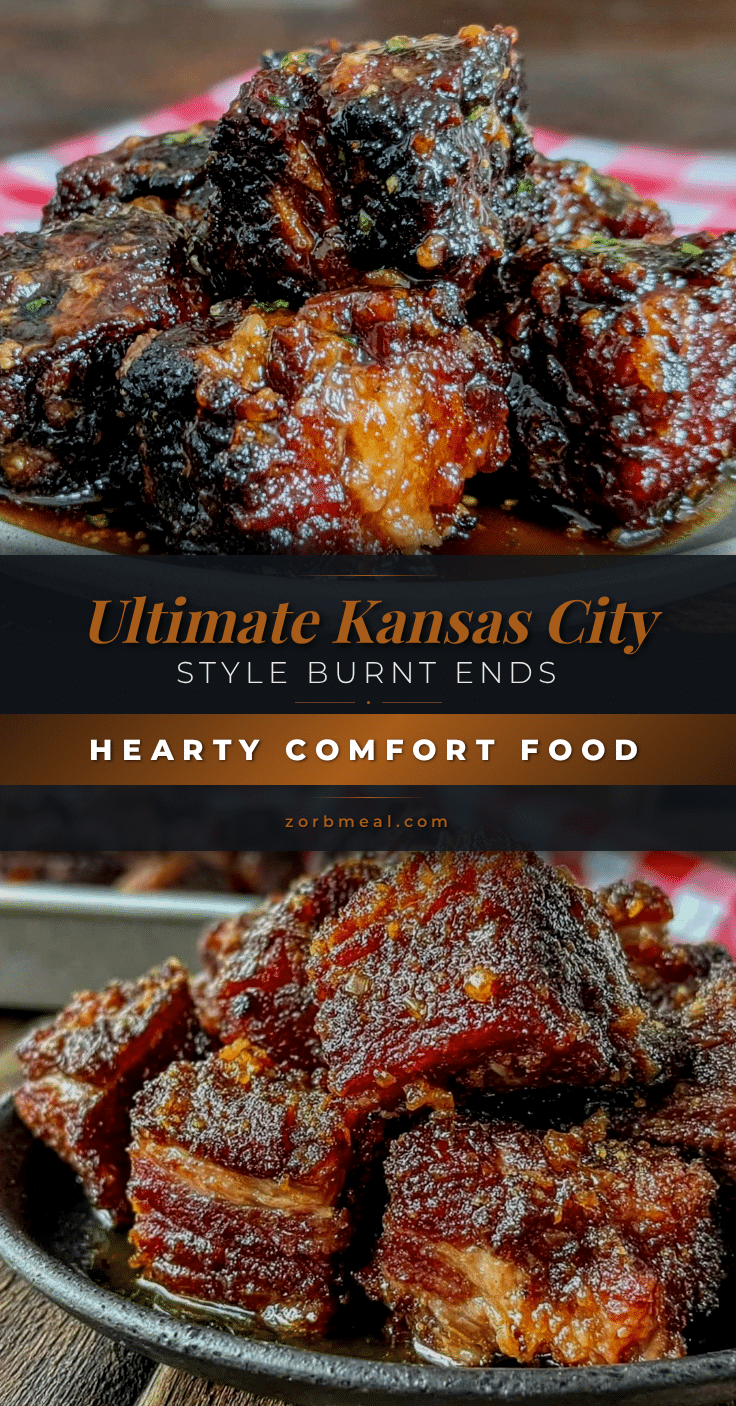
Kansas City Style Burnt Ends Recipe Easy Smoky Caramelized Bark Guide
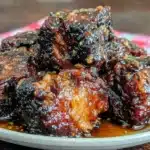
This recipe delivers flavorful Kansas City style burnt ends with a smoky caramelized bark, perfect for backyard smokers or grills. Tender, sweet, and smoky, these burnt ends are a crowd-pleaser and a comforting barbecue classic.
- Prep Time: 30 minutes
- Cook Time: 6 to 8 hours
- Total Time: 6 hours 30 minutes to 8 hours 30 minutes
- Yield: 6 to 8 servings 1x
- Category: Main Course
- Cuisine: American, Barbecue
Ingredients
- 4 to 5 pounds brisket point, preferably well-marbled
- 2 tablespoons paprika (smoked paprika preferred)
- 1 tablespoon kosher salt
- 1 tablespoon freshly ground black pepper
- 1 tablespoon garlic powder
- 1 tablespoon onion powder
- 1 teaspoon cayenne pepper (optional)
- 1 cup Kansas City style BBQ sauce (e.g., Sweet Baby Ray’s)
- 2 tablespoons honey or brown sugar
- 1 tablespoon apple cider vinegar
- 1 teaspoon Worcestershire sauce
- Hickory or oak wood chunks for smoking
- Optional: yellow mustard for slathering brisket before rub
Instructions
- Trim excess fat from the brisket point, leaving about 1/4 inch for flavor and moisture. Remove any silver skin or tough bits (about 10 minutes).
- Optionally, lightly coat the brisket point with yellow mustard to help the rub stick (about 2 minutes).
- Mix paprika, kosher salt, black pepper, garlic powder, onion powder, and cayenne pepper in a bowl. Rub generously all over the brisket point, pressing to adhere. Let rest 15-30 minutes if time allows.
- Preheat smoker to a steady 225°F (107°C). Add hickory or oak wood chunks for smoke.
- Place brisket point fat side up on smoker grate. Maintain 225°F and smoke until internal temperature reaches 190°F (88°C), about 5-6 hours, until bark is dark and caramelized but not burnt.
- Remove brisket from smoker and let rest for 20 minutes. Cut into 1-inch cubes.
- In a bowl, mix BBQ sauce, honey or brown sugar, apple cider vinegar, and Worcestershire sauce to make the glaze.
- Toss cubed brisket in the glaze until well coated. Transfer to a foil pan and return to smoker.
- Smoke for an additional 1-2 hours at 225°F (107°C), stirring every 30 minutes to coat burnt ends and develop sticky, caramelized bark with a glossy, deep mahogany finish.
- Serve burnt ends warm, straight from the smoker.
Notes
If bark darkens too quickly, tent loosely with foil to prevent burning. Rest brisket before cubing to retain juices. Maintain steady smoker temperature around 225°F. Use apple cider vinegar and Worcestershire sauce in glaze to balance sweetness. Patience during glaze phase is key for perfect caramelized bark. Leftovers store well refrigerated up to 4 days or frozen up to 3 months. Reheat gently in oven covered with foil to preserve moisture and bark texture.
Nutrition
- Serving Size: Approx. 4 oz (112 g)
- Calories: 320
- Sugar: 6
- Fat: 20
- Carbohydrates: 8
- Protein: 28
Keywords: Kansas City burnt ends, burnt ends recipe, smoked brisket, barbecue burnt ends, smoky caramelized bark, smoked meat, BBQ recipe