“You’ll want to take it slow with this one,” my aunt warned over the phone, her voice tinged with a mix of concern and hope. She’d just been discharged from the hospital after dental surgery, and the thought of chewing anything tough was out of the question. Honestly, I was a bit stumped at first. What kind of dinner could feel comforting yet gentle enough to eat without struggle? That’s when I started experimenting with easy soft foods dinner ideas for seniors that not only soothed but actually tasted good. It wasn’t about bland mush; it was about finding a cozy middle ground between nourishment and ease.
That night, as I stirred a pot of creamy chicken and dumpling soup — a recipe I’d modified after countless tweaks — I realized something. Easy soft foods dinner ideas for seniors don’t have to be boring or sad. They can be full of flavor and texture that melts in your mouth but still feels like a proper meal. Over time, I found myself making these dishes repeatedly, testing new twists, and fine-tuning the balance between softness and taste. The idea stuck because it’s practical and honest: food that cares for you when you need it most.
There’s a quiet satisfaction in meals that nourish without fuss, especially when you want to feel grounded after a long day. These recipes became my go-to, not just for my aunt but for anyone craving dinner that feels like a gentle hug. And that’s why I’m sharing these easy soft foods dinner ideas for seniors — because sometimes the best meals are the ones that take care of you, one bite at a time.
Why You’ll Love These Easy Soft Foods Dinner Ideas for Seniors
After trying and tweaking numerous recipes to suit delicate appetites, I discovered what really matters when it comes to easy soft foods dinner ideas for seniors. Here’s why these recipes have earned a permanent spot in my kitchen rotation:
- Quick & Easy: Each recipe comes together in under 45 minutes, perfect for busy caregivers or anyone needing a hassle-free meal.
- Simple Ingredients: No need for complicated shopping trips — these dishes mostly use pantry staples and common fresh items.
- Perfect for Comfort: Ideal for evenings when you want something soothing but nutritious, whether recovering from surgery or just craving gentle meals.
- Crowd-Pleaser: These soft food recipes get great feedback from both seniors and younger family members, so no one feels left out.
- Unbelievably Delicious: The flavors aren’t watered down; instead, they’re thoughtfully balanced to offer rich, satisfying taste and smooth textures.
What sets these recipes apart is the attention to texture and flavor harmony. For example, blending cottage cheese into the chicken and dumpling soup makes it ultra-smooth without sacrificing the creamy richness. Or swapping traditional starches for mashed sweet potatoes adds a natural sweetness that’s both gentle and exciting to the palate. These aren’t just soft foods; they’re soft foods with soul.
Honestly, it’s a little comforting to have meals that feel like you’re treating yourself, not just eating because you have to. Whether you’re making dinner for a loved one or yourself, these recipes promise a kind of comfort food that feels both familiar and thoughtful.
What Ingredients You Will Need for Easy Soft Foods Dinner Ideas for Seniors
These easy soft foods dinner ideas for seniors rely on wholesome, accessible ingredients that come together to create tender, flavorful meals. Most are pantry staples or fresh produce you can find year-round.
- Proteins: Ground chicken or turkey (lean, finely ground for easy chewing), soft white fish fillets like cod or tilapia, eggs (for scrambling or mashing), smooth cottage cheese (small-curd preferred for texture), and plain Greek yogurt (for creaminess and added protein).
- Vegetables: Carrots (peeled and cooked until tender), zucchini (seeded and steamed or roasted soft), sweet potatoes (mashed), spinach (wilted gently), and butternut squash (pureed or mashed).
- Starches: Mashed potatoes (made creamy with milk or broth), soft-cooked rice, well-cooked pasta like small shells or orzo, and soft bread or dinner rolls (for moistening with broth or sauces).
- Flavors & Seasonings: Low-sodium chicken or vegetable broth, fresh herbs like parsley and thyme (finely chopped), mild garlic powder, onion powder, ground black pepper (lightly), and a splash of lemon juice (for brightness).
- Dairy & Fats: Butter (unsalted, softened), whole milk or cream (for richer textures), and mild cheese like mozzarella or cream cheese (soft and meltable).
For substitutions, I like to recommend almond milk or oat milk if dairy is an issue, and coconut yogurt can replace Greek yogurt for a dairy-free option. When selecting cottage cheese, brands like Breakstone’s or Friendship Dairies are solid bets for smooth, consistent texture. For fresh herbs, your local farmer’s market or grocery store often carries mild parsley or thyme, which add subtle aroma without overpowering delicate palates.
In warmer months, swapping winter squash with fresh summer zucchini or soft green beans works well. Just steam until tender, then blend or mash as needed. These easy soft foods dinner ideas for seniors are flexible enough for seasonality and personal preferences without losing their gentle character.
Equipment Needed
Cooking these easy soft foods dinner ideas for seniors doesn’t require a fully stocked kitchen, but a few tools make the process smoother and more enjoyable.
- Medium-sized saucepans: For simmering soups, cooking vegetables, and making mashed potatoes.
- Non-stick skillet: Ideal for gently cooking ground meats or soft fish without sticking.
- Blender or food processor: A must-have for pureeing vegetables or blending cottage cheese into soups for that silky texture.
- Mixing bowls: For combining ingredients and prepping batters or fillings.
- Measuring cups and spoons: Accuracy matters, especially for seasoning and liquids to keep flavors balanced and sodium low.
- Wooden spoon and silicone spatula: For gentle stirring and scraping to avoid damaging soft foods.
If you don’t have a food processor, a good immersion blender also works beautifully for pureeing soups or soft foods right in the pot, which saves cleanup. I’ve found that investing in a reliable non-stick skillet makes sautéing ground chicken or fish a breeze — no scrubbing stuck bits later. For budget-friendly options, simple stainless steel saucepans with lids will get the job done without fuss.
Preparation Method
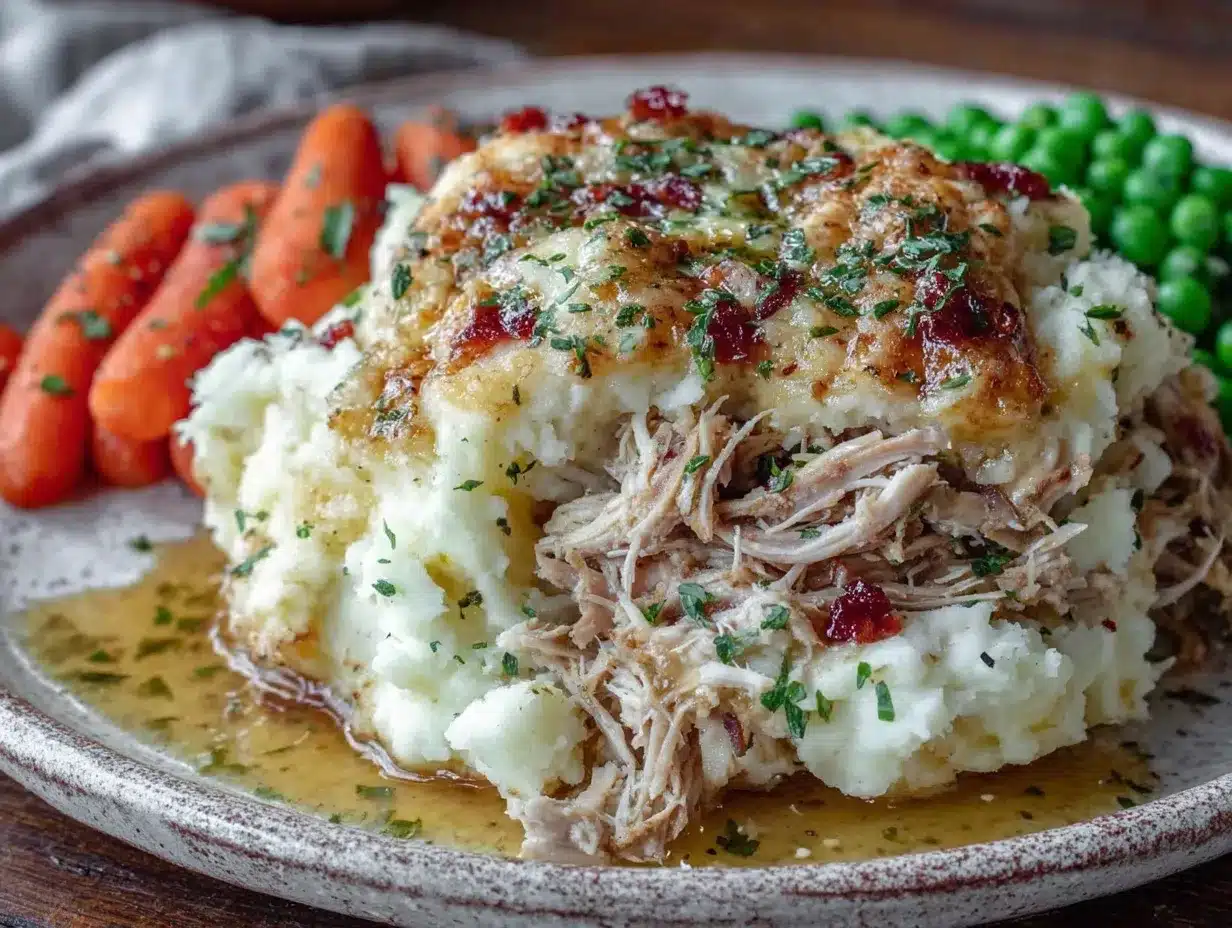
- Prepare Ingredients (10-15 minutes): Rinse and peel vegetables like carrots and sweet potatoes. Chop them into small, uniform pieces to ensure even cooking. If using ground chicken or turkey, keep it slightly chilled for easy handling.
- Cook Vegetables (15-20 minutes): Place chopped vegetables in a pot, cover with low-sodium broth or water, and simmer gently until tender. For something like carrots or squash, test doneness by piercing with a fork — they should feel soft and mash easily.
- Puree or Mash (5-10 minutes): Transfer cooked vegetables to a blender or use a potato masher to achieve the desired softness. Add a splash of broth, milk, or cream to reach a smooth, creamy texture. For soups, blend until silky but still warm.
- Cook Protein (10-15 minutes): In a non-stick skillet, cook ground chicken or turkey over medium heat until no pink remains. Season lightly with garlic powder, onion powder, and a pinch of pepper. Break the meat into small pieces as it cooks for easy eating.
- Combine and Warm (5 minutes): Stir cooked protein into pureed vegetables or soup base. Add cottage cheese or Greek yogurt if using, stirring gently to incorporate without breaking textures too much. Warm through on low heat, avoiding boiling.
- Final Touches (2-3 minutes): Taste and adjust seasoning with salt (if needed) or a squeeze of lemon juice for brightness. Add chopped fresh herbs like parsley for color and a gentle herbal note.
- Serve Warm: Plate the dish in shallow bowls or plates. Soft bread can be served alongside, dipped lightly in broth or sauces to soften further.
Common issues include overcooking protein until dry or undercooking vegetables so they’re still tough. Keep a close eye and test softness frequently. Also, blending or mashing immediately after cooking helps maintain warmth and smooth texture. If soup or mash cools too much, reheat gently on low to avoid separation or curdling, especially with dairy additions.
Personal tip: prepping vegetables in advance and freezing purees in ice cube trays makes busy weeknights easier. Just thaw and combine with freshly cooked proteins for a speedy dinner. It’s a little shortcut that’s saved me many times.
Cooking Tips & Techniques
When making easy soft foods dinner ideas for seniors, texture is king. Here’s what I’ve learned through trial, error, and many meals shared with loved ones:
- Gentle cooking: Slow simmering vegetables in broth preserves flavor and softens them evenly without mushiness. Avoid boiling vigorously, which can break down fibers unevenly.
- Mincing or grinding protein finely: Using ground meats or finely chopped fish helps prevent tough bites and makes swallowing easier.
- Layer flavors subtly: Use mild herbs and low-sodium broth to keep seasoning balanced. Too much salt or spice can overwhelm sensitive palates.
- Incorporate dairy carefully: Add cream, Greek yogurt, or cottage cheese at the end of cooking to preserve smooth texture and avoid curdling.
- Test texture often: What feels soft to one person might be too firm for another. Adjust cooking times and mashing to preference, and don’t hesitate to puree more if needed.
- Multitasking tip: While veggies simmer, cook protein to save time. Then blend and combine for a seamless finish.
I once overcooked a batch of mashed sweet potatoes, ending up with gluey texture that even my most forgiving taste-testers scrunched up their faces at. Lesson learned: soft means tender and fluffy, not gluey! Keeping liquids measured carefully and stirring gently are key to keeping the right mouthfeel.
Variations & Adaptations
These easy soft foods dinner ideas for seniors are flexible enough to suit different diets, seasons, and tastes.
- Vegetarian option: Swap chicken or fish with mashed lentils or soft cooked beans pureed with herbs and broth. Adding a spoonful of cream cheese or tahini boosts creaminess.
- Seasonal twist: Use butternut squash or pumpkin in fall for a naturally sweet and velvety base. In summer, zucchini and yellow squash work beautifully when steamed and pureed.
- Flavor boost: Stir in a mild curry powder or smoked paprika for subtle warmth without overpowering softness. A personal favorite is a pinch of nutmeg in mashed sweet potatoes for cozy depth.
- Low-sodium adaptation: Use homemade broth without added salt and fresh herbs for flavor. Avoid processed cheeses and season gently with lemon or vinegar for brightness.
- Dairy-free swap: Replace milk and cream with coconut milk or oat milk. Use dairy-free yogurt alternatives like coconut yogurt for creaminess.
One of my favorite variations is a creamy chicken and dumpling soup inspired by this recipe. Using cottage cheese blended into the broth gives it a luscious feel without heaviness. It’s a hit for anyone needing soft, comforting meals.
Serving & Storage Suggestions
Serve these soft foods warm but not piping hot to avoid discomfort. Bowls or shallow dishes work best for easy spoonfuls. Garnish with a small sprinkle of fresh herbs or a drizzle of olive oil for visual appeal and flavor.
Pair soft dinners with light sides like mashed avocado wraps I’ve made before, which are easy to chew and add fresh contrast. For beverages, herbal teas or mild fruit juices complement the meal without overpowering sensitive taste buds.
Store leftovers in airtight containers in the refrigerator for up to 3 days. Soups and purees freeze well in portioned containers or even ice cube trays for quick reheating. When reheating, warm gently on the stove or microwave at low power to maintain smooth texture and avoid separation.
Flavors often deepen after a day or two in the fridge, making these meals even more satisfying when reheated. Just be sure to stir well and add a splash of broth or milk if the texture thickens too much.
Nutritional Information & Benefits
These easy soft foods dinner ideas for seniors provide balanced nutrition with a focus on digestibility and gentle ingredients. Typical servings offer approximately:
| Calories | Protein | Carbohydrates | Fat | Fiber |
|---|---|---|---|---|
| 350-450 kcal | 20-30 g | 30-40 g | 10-15 g | 4-6 g |
Key ingredients like lean ground chicken provide high-quality protein essential for muscle maintenance. Vegetables contribute vitamins A and C, plus fiber to aid digestion gently. Dairy options add calcium and probiotics when yogurt is included.
These recipes are naturally gluten-free when using rice or potatoes as starches, and can be made dairy-free with simple swaps. They avoid common allergens by excluding nuts and shellfish, making them safe for many dietary restrictions.
From a personal perspective, meals that nourish without taxing digestion or chewing are vital for maintaining energy and comfort in later years. These recipes aim to offer that care in every spoonful.
Conclusion
Easy soft foods dinner ideas for seniors aren’t just about making meals easier to eat; they’re about creating comfort, nourishment, and moments of calm around the dinner table. Whether you’re cooking for yourself or a loved one, these recipes offer practical, tasty options that fit into a busy life without sacrificing flavor or texture.
Feel free to tweak the ingredients and seasoning to your taste — the best meals always come from personal touches. For me, this collection of recipes has become a quiet staple, a way to show care through food when it’s needed most.
If you try any of these ideas or have your own soft food favorites, I’d love to hear how they worked for you. Sharing these moments helps us all cook with a little more heart and ease.
Remember, good food doesn’t have to be complicated — sometimes, simple softness is exactly what’s best.
Frequently Asked Questions About Easy Soft Foods Dinner Ideas for Seniors
What are some easy soft protein options for seniors?
Ground chicken or turkey, soft white fish like cod, scrambled eggs, and smooth cottage cheese are excellent easy soft protein choices that are gentle to chew and digest.
Can these soft food recipes be frozen for later use?
Yes, many of these dishes freeze well, especially pureed vegetables and soups. Portion them out and thaw gently before reheating to maintain texture and flavor.
How can I add flavor without making the food too spicy?
Use mild herbs like parsley and thyme, lemon juice, and gentle seasonings like garlic or onion powder to add depth without heat or overwhelming spices.
Are these recipes suitable for people with swallowing difficulties?
Yes, these recipes focus on smooth, soft textures ideal for those with mild to moderate swallowing challenges, but always consult a healthcare provider for specific needs.
What are good side dishes to serve with soft food dinners?
Soft sides like mashed avocado egg salad lettuce wraps or creamy cucumber salad from this recipe complement soft dinners nicely and add variety without tough textures.
Pin This Recipe!

Easy Soft Foods Dinner Ideas for Seniors
Comforting and gentle soft food recipes designed for seniors, focusing on easy-to-chew, nutritious meals that are flavorful and soothing.
- Prep Time: 10-15 minutes
- Cook Time: 30-40 minutes
- Total Time: 40-55 minutes
- Yield: 4 servings
- Category: Main Course
- Cuisine: American
Ingredients
- Ground chicken or turkey (lean, finely ground)
- Soft white fish fillets like cod or tilapia
- Eggs (for scrambling or mashing)
- Smooth cottage cheese (small-curd preferred)
- Plain Greek yogurt
- Carrots (peeled and cooked until tender)
- Zucchini (seeded and steamed or roasted soft)
- Sweet potatoes (mashed)
- Spinach (wilted gently)
- Butternut squash (pureed or mashed)
- Mashed potatoes (made creamy with milk or broth)
- Soft-cooked rice
- Well-cooked pasta like small shells or orzo
- Soft bread or dinner rolls (for moistening with broth or sauces)
- Low-sodium chicken or vegetable broth
- Fresh herbs like parsley and thyme (finely chopped)
- Mild garlic powder
- Onion powder
- Ground black pepper (lightly)
- Splash of lemon juice
- Butter (unsalted, softened)
- Whole milk or cream
- Mild cheese like mozzarella or cream cheese
Instructions
- Prepare Ingredients (10-15 minutes): Rinse and peel vegetables like carrots and sweet potatoes. Chop into small, uniform pieces. Keep ground chicken or turkey slightly chilled.
- Cook Vegetables (15-20 minutes): Place chopped vegetables in a pot, cover with low-sodium broth or water, and simmer gently until tender. Test doneness by piercing with a fork.
- Puree or Mash (5-10 minutes): Transfer cooked vegetables to a blender or use a potato masher. Add broth, milk, or cream to achieve smooth, creamy texture. For soups, blend until silky but warm.
- Cook Protein (10-15 minutes): In a non-stick skillet, cook ground chicken or turkey over medium heat until no pink remains. Season lightly with garlic powder, onion powder, and pepper. Break meat into small pieces.
- Combine and Warm (5 minutes): Stir cooked protein into pureed vegetables or soup base. Add cottage cheese or Greek yogurt if using, stirring gently. Warm through on low heat without boiling.
- Final Touches (2-3 minutes): Taste and adjust seasoning with salt if needed and a squeeze of lemon juice. Add chopped fresh herbs like parsley.
- Serve Warm: Plate in shallow bowls or plates. Serve soft bread alongside, dipped lightly in broth or sauces to soften.
Notes
Avoid overcooking protein to prevent dryness and undercooking vegetables to avoid toughness. Blend or mash immediately after cooking to maintain warmth and smooth texture. Reheat gently to avoid separation or curdling, especially with dairy. Prepping and freezing purees in ice cube trays can save time on busy days.
Nutrition
- Serving Size: 1 bowl (approximatel
- Calories: 350450
- Sugar: 58
- Fat: 1015
- Saturated Fat: 35
- Carbohydrates: 3040
- Fiber: 46
- Protein: 2030
Keywords: soft foods, seniors, easy dinner, gentle meals, soft protein, pureed vegetables, comfort food, easy cooking, nutritious meals