Introduction
“Hey, have you tried that pecan praline French toast yet?” my neighbor asked over the fence last weekend. I had to admit, I was skeptical at first—French toast is French toast, right? But she was insistent. So, armed with a couple of pecans and a loaf of brioche, I gave it a shot. Honestly, I didn’t expect to be obsessed, but the first bite—those crispy, caramelized edges with the buttery pecan crunch—changed my whole breakfast game.
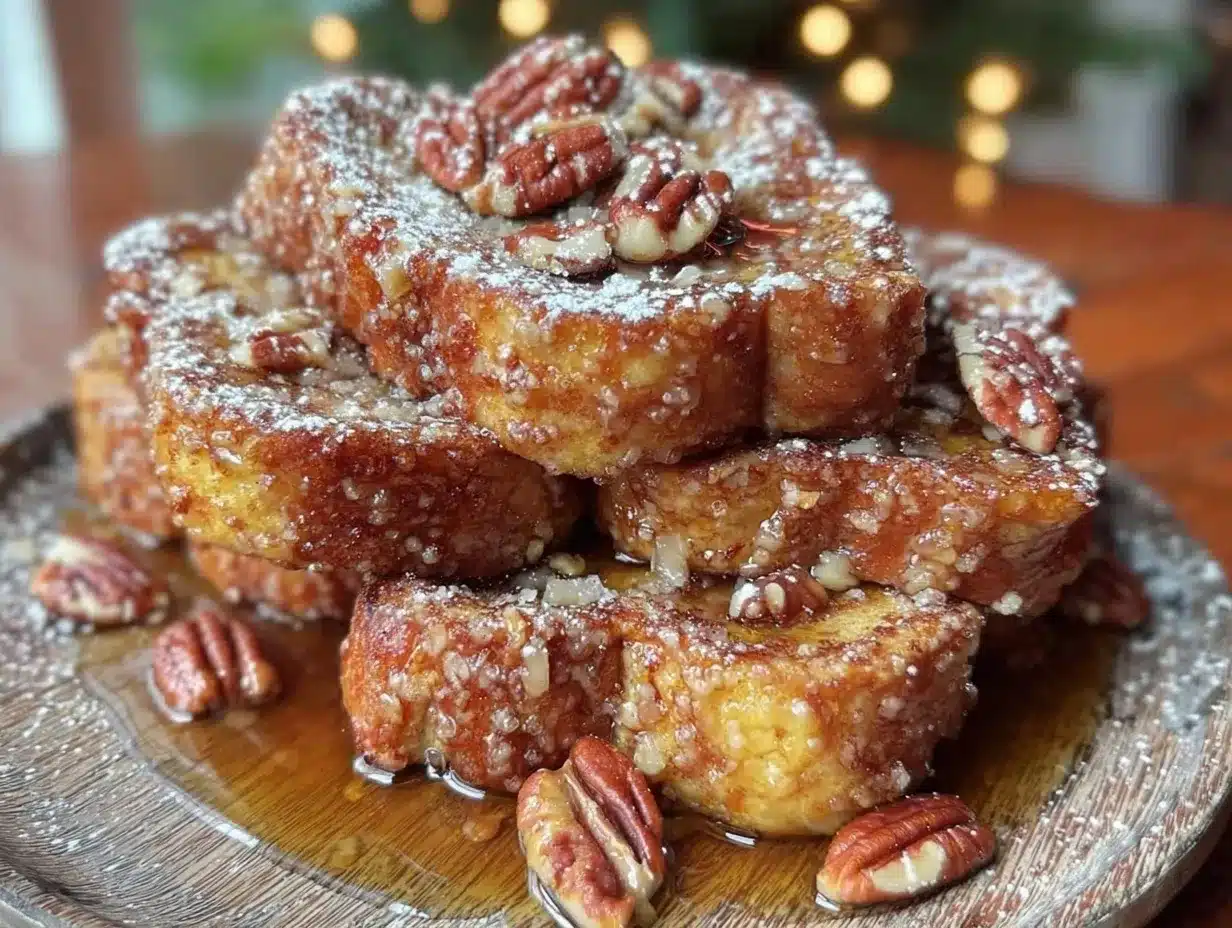
It was one of those rare mornings where the kitchen was quiet, the sunlight just right, and the smell of caramelizing sugar filled the air. I found myself savoring each bite, the sticky-sweet praline coating offset by the soft, custardy bread inside. Something about the way the pecans toasted and the sugar crisped around the edges made this more than just French toast—it felt like a little celebration on a plate. I’ve since made it several times, even swapping out toppings and experimenting with breads, but that perfect caramelized edge? That’s the magic that keeps me coming back.
What’s funny is how this recipe started as a casual try after a long week. I was craving something comforting but without the usual syrup drowning the bread. The pecan praline topping was a happy accident—leftover pecans and brown sugar meeting butter in a pan, turning into this irresistible glaze. It’s the kind of recipe that doesn’t just fill you up but makes you pause—just for a moment—to enjoy the richness and texture. It stuck with me because it’s simple but feels special, like a secret breakfast treat you’re lucky to know.
Why You’ll Love This Recipe
After making this Crispy Pecan Praline French Toast with Caramelized Edges multiple times, I can honestly say it’s become a staple for both casual weekend mornings and unexpected brunch guests. Here’s why it’s worth every minute of your time:
- Quick & Easy: This recipe comes together in about 25 minutes, great for busy mornings when you want something a bit indulgent but not complicated.
- Simple Ingredients: No need for fancy or hard-to-find items—most are pantry staples like eggs, pecans, brown sugar, and good bread.
- Perfect for Special Occasions: Whether it’s a lazy Saturday brunch or a holiday morning, this dish feels festive without the fuss.
- Crowd-Pleaser: Kids love the crunchy pecans, and adults appreciate the balance of sweetness and buttery toast.
- Unbelievably Delicious: The caramelized edges give the French toast a texture contrast that’s next-level, making every bite a little adventure.
What sets this apart? It’s all about the pecan praline glaze and getting those edges just right. Instead of soaking the bread too long, you lightly coat it so the outside crisps up while the inside stays soft and custardy. That caramelization? It’s not just sugar melting—it’s sugar and pecans bonding, creating this addictive crunch that’s hard to find in any other French toast recipe.
Honestly, this recipe is the kind of breakfast that makes you close your eyes after the first bite and think, “Yep, I nailed this.” It’s comfort food with a little flair, perfect for impressing guests or just treating yourself on a quiet morning.
What Ingredients You Will Need
This recipe uses simple, wholesome ingredients to deliver bold flavor and satisfying texture without the fuss. Most items are pantry staples, and you can easily swap or adjust based on what you have on hand.
- Brioche or Challah Bread – Thick slices, about 1 inch (2.5 cm) thick, work best for soaking and crisping. I prefer brioche from King’s Hawaiian for its buttery softness.
- Large Eggs – Room temperature, for the custard base that keeps the toast tender inside.
- Whole Milk (or half-and-half for richer custard) – About 1 cup (240 ml) to soak your bread without sogginess.
- Pure Vanilla Extract – 1 teaspoon to add warmth and depth.
- Ground Cinnamon – 1 teaspoon for that cozy spice note.
- Brown Sugar – ½ cup (100 g), preferably dark or light brown sugar, for the praline glaze.
- Unsalted Butter – 4 tablespoons (57 g), divided; half for the custard, half for the skillet caramelization.
- Chopped Pecans – ¾ cup (90 g), toasted lightly to bring out the nutty flavor.
- Salt – A pinch to balance sweetness.
- Maple Syrup or Honey (optional) – For drizzling, though the praline glaze is usually enough.
Substitutions: For a gluten-free option, try almond flour bread or any sturdy gluten-free loaf. If you prefer dairy-free, swap milk and butter for coconut milk and vegan butter alternatives. For a lighter version, swap half the butter for olive oil, though it changes the flavor slightly.
Equipment Needed
- Non-stick Skillet or Cast Iron Pan: Essential for getting those caramelized edges without sticking. I use a 10-inch cast iron skillet that retains heat beautifully.
- Mixing Bowls: One large for the custard, and a small one for the praline mix.
- Whisk: For blending eggs and milk evenly.
- Spatula or Tongs: To flip the French toast gently without breaking the crust.
- Baking Sheet: Optional, for keeping cooked toast warm in a low oven (about 200°F / 95°C).
- Measuring Cups and Spoons: For accuracy, especially with sugar and spices.
If you don’t have a cast iron pan, a heavy-bottomed non-stick skillet works fine. Just make sure it’s hot enough before adding the butter to get that caramelization going. Also, a silicone spatula helps with scraping that sticky praline glaze from the pan without damage. If you want to keep the French toast warm while finishing the batch, a wire rack on a baking sheet is your best friend—keeps the crust crisp.
Preparation Method
- Prepare the Custard: In a large bowl, whisk together 4 large eggs, 1 cup (240 ml) whole milk, 1 teaspoon pure vanilla extract, 1 teaspoon ground cinnamon, and a pinch of salt until smooth. This mixture should be well combined but not frothy.
- Toast the Pecans: Heat a dry skillet over medium heat, add ¾ cup (90 g) chopped pecans, and toast for about 3-4 minutes until fragrant and slightly browned, stirring frequently to avoid burning. Remove from heat and set aside.
- Make the Pecan Praline Glaze: In the same skillet, melt 2 tablespoons (28 g) unsalted butter over medium heat. Stir in ½ cup (100 g) brown sugar until it dissolves and bubbles gently (about 2 minutes). Add the toasted pecans and stir to coat evenly. Keep warm on low heat.
- Soak the Bread: Dip each slice of brioche into the custard mixture for about 10-15 seconds per side. The bread should absorb some liquid but not become soggy—if it feels too wet, give it a brief drip before cooking.
- Cook the French Toast: In a clean skillet, melt the remaining 2 tablespoons (28 g) butter over medium heat. Place the soaked bread slices in the pan without crowding. Cook for 3-4 minutes per side, or until golden brown with crispy, caramelized edges. Adjust heat as needed to avoid burning.
- Apply the Praline Topping: Once the toast is golden, spoon the warm pecan praline glaze over each slice, letting it drip down the sides. The sugar will harden slightly as it cools, adding that signature crunch.
- Serve Immediately: Plate the French toast and optionally drizzle with maple syrup or honey for extra sweetness. Fresh berries or a dusting of powdered sugar add a nice touch, too.
Tips: Keep an eye on the heat while cooking. Too hot, and the sugar in the praline can burn; too low, and you won’t get that crisp edge. If your skillet isn’t big enough, cook in batches and keep finished slices warm on a baking sheet in a 200°F (95°C) oven. For the best texture, use day-old brioche—it soaks up custard better without falling apart.
Cooking Tips & Techniques
Getting those perfect crispy edges on your pecan praline French toast requires a bit of finesse. Here are some tips I’ve picked up after a few tries (and some burnt edges!):
- Don’t Over-Soak Your Bread: Too much custard turns your toast mushy. Aim for a quick dip—about 10-15 seconds per side. Brioche is perfect because it’s sturdy yet soft.
- Use Medium Heat: This allows the butter to brown slowly and the sugar to caramelize without burning. If your pan heats unevenly, move the slices around a bit.
- Toast Pecans Separately: Toasting pecans brings out their oils and crunch, which adds big flavor to the praline glaze.
- Apply Praline While Warm: Spoon the warm pecan praline directly onto the cooked toast. It sets quickly, so work fast but gently.
- Multitask Thoughtfully: While your toast cooks, prepare the praline glaze so everything comes together just right. This makes serving easier and keeps the edges crisp.
I once forgot to toast the pecans and just tossed them in raw—big mistake! The flavor was so muted, and the texture was off. Also, using a cast iron skillet really made a difference in heat retention and crispness, compared to my old non-stick pan.
Variations & Adaptations
This recipe is flexible and welcomes tweaks based on your preferences or dietary needs. Here are some ways to switch things up:
- Flavor Variations: Add a pinch of nutmeg or ground cardamom to the custard for a warm, aromatic twist. For a citrus note, grate some orange zest into the custard mixture.
- Dietary Adaptations: Swap dairy milk for almond or oat milk and use vegan butter to make this recipe dairy-free. Use gluten-free bread to accommodate gluten sensitivities.
- Cooking Methods: Try baking the soaked bread slices at 375°F (190°C) for 15-18 minutes with the praline glaze spooned on top for a hands-off approach. This yields a slightly different texture but still delicious.
- Nut Swaps: If pecans aren’t your thing, walnuts or almonds make great alternatives for the praline topping.
- Personal Twist: I once added a layer of cream cheese spread between two custard-soaked slices before cooking—a delightful surprise that made the French toast even richer.
Serving & Storage Suggestions
This French toast is best enjoyed warm and fresh from the skillet, when the praline is still slightly gooey and the edges are crisp. Serve it with a dusting of powdered sugar or a handful of fresh berries to balance the sweetness.
It pairs beautifully with a hot cup of coffee or even a light mimosa for weekend brunch. For a lighter complement, a side of fresh fruit or a yogurt parfait like this mango chia seed pudding parfait works wonders.
Leftovers? Store them in an airtight container in the fridge for up to 2 days. Reheat in a toaster oven or under a broiler briefly to bring back that crispy edge—microwaving will make it soggy. You can also freeze cooked French toast slices, separated by parchment paper, and reheat straight from frozen for a quick breakfast fix.
Just a heads-up: the praline topping might soften over time, so if you want to keep that crunch, it’s best to add the glaze fresh after reheating.
Nutritional Information & Benefits
A typical serving of this Crispy Pecan Praline French Toast clocks in around 350-400 calories, depending on portion size and added toppings. Pecans provide healthy fats, fiber, and antioxidants, which support heart health. The eggs contribute protein and essential nutrients like vitamin D and choline.
While this recipe is a sweet treat, using whole milk and moderate sugar keeps it balanced. For those watching carbs or sugar, try reducing the brown sugar in the praline or topping with unsweetened Greek yogurt instead of syrup.
It’s a breakfast that offers more than indulgence—it’s got wholesome ingredients that fuel your morning with a touch of luxury.
Conclusion
Crispy Pecan Praline French Toast with Caramelized Edges isn’t just another breakfast idea—it’s a recipe that feels like a little celebration every time you make it. The balance of textures and flavors, combined with its simplicity, makes it a rare find in the world of sweet morning dishes.
Feel free to tweak it to your liking, whether that’s swapping nuts, adjusting sweetness, or trying different breads. For me, it’s the perfect blend of comfort and crunch that keeps me coming back, especially on slow weekend mornings or when I want to impress guests without a lot of stress.
If you give it a try, I’d love to hear how you made it your own—drop a comment or share your favorite variations. Here’s to many delicious mornings ahead!
FAQs about Crispy Pecan Praline French Toast
What bread works best for this French toast?
Thick slices of brioche or challah are ideal because they soak up the custard without falling apart. Day-old bread works best to prevent sogginess.
Can I make the praline topping ahead of time?
You can prepare the praline glaze and pecans ahead and reheat gently before serving. However, it tastes best when spooned fresh onto warm toast for maximum crunch.
How do I get the edges crispy without burning the sugar?
Cook over medium heat and watch carefully. Adjust the heat as needed and flip the toast gently to avoid burning. Using a cast iron skillet helps regulate temperature evenly.
Is this recipe gluten-free?
Not as is, but you can use gluten-free bread to make it safe for gluten sensitivities.
Can I freeze leftovers?
Yes! Freeze cooked slices separated by parchment paper, then reheat in a toaster oven or oven to maintain crispiness. Avoid microwaving to keep the texture intact.
For those interested in more cozy recipes to pair with this French toast, you might enjoy the creamy chicken and dumpling soup or the fresh chia seed pudding parfait for a light, healthy balance.
Pin This Recipe!

Crispy Pecan Praline French Toast

A delicious French toast recipe featuring crispy, caramelized edges with a buttery pecan praline glaze, perfect for special occasions or a comforting weekend breakfast.
- Prep Time: 10 minutes
- Cook Time: 15 minutes
- Total Time: 25 minutes
- Yield: 4 servings 1x
- Category: Breakfast
- Cuisine: American
Ingredients
- Thick slices of brioche or challah bread, about 1 inch thick
- 4 large eggs, room temperature
- 1 cup (240 ml) whole milk or half-and-half
- 1 teaspoon pure vanilla extract
- 1 teaspoon ground cinnamon
- ½ cup (100 g) brown sugar, dark or light
- 4 tablespoons (57 g) unsalted butter, divided
- ¾ cup (90 g) chopped pecans, toasted
- Pinch of salt
- Maple syrup or honey (optional, for drizzling)
Instructions
- Prepare the custard by whisking together eggs, milk, vanilla extract, cinnamon, and salt in a large bowl until smooth.
- Toast the chopped pecans in a dry skillet over medium heat for 3-4 minutes until fragrant and slightly browned. Remove and set aside.
- Make the pecan praline glaze by melting 2 tablespoons butter in the skillet over medium heat, stirring in brown sugar until dissolved and bubbling, then add toasted pecans and coat evenly. Keep warm on low heat.
- Dip each bread slice into the custard mixture for 10-15 seconds per side, allowing some liquid absorption but avoiding sogginess.
- Melt the remaining 2 tablespoons butter in a clean skillet over medium heat. Cook soaked bread slices 3-4 minutes per side until golden brown with crispy, caramelized edges.
- Spoon the warm pecan praline glaze over each cooked slice, letting it drip down the sides and harden slightly.
- Serve immediately, optionally drizzling with maple syrup or honey and garnishing with fresh berries or powdered sugar.
Notes
Use day-old brioche for best texture. Cook over medium heat to avoid burning the praline sugar. Toast pecans separately for enhanced flavor. Keep praline glaze warm and spoon onto toast immediately for best crunch. Leftovers can be refrigerated for up to 2 days and reheated in toaster oven or broiler to maintain crispiness. Avoid microwaving to prevent sogginess.
Nutrition
- Serving Size: 1 slice
- Calories: 375
- Sugar: 18
- Sodium: 220
- Fat: 22
- Saturated Fat: 8
- Carbohydrates: 38
- Fiber: 3
- Protein: 9
Keywords: French toast, pecan praline, caramelized edges, breakfast, brunch, brioche, pecans, easy recipe