“You really can’t survive on instant noodles forever,” my roommate joked one evening while I was staring blankly at my hot plate, unsure how to turn a pile of random ingredients into something edible. Honestly, that was me just a few weeks into dorm life—armed with a tiny hot plate and a growing craving for comfort food that didn’t taste like cardboard. I remember the faint sizzle of garlic hitting the pan, the smell curling through our cramped room, and the quiet satisfaction when my first “easy hot plate recipe” actually turned out delicious. No smoke alarms, no complicated gadgets—just simple, cozy meals whipped up on that little burner.
That accidental win sparked a mini obsession. I found myself experimenting with quick, flavorful dishes that brought a little warmth and normalcy to the chaos of dorm living. Whether it was a late-night craving after a long study session or a weekend treat to impress friends, these recipes became my go-to. The best part? They required minimal gear and ingredients, perfect for small spaces and tight budgets. It’s funny how something as humble as a hot plate can transform dorm room meals into moments worth savoring.
In this post, I’m sharing easy hot plate recipes for dorm room comfort meals that impress not just because they’re simple, but because they hit that perfect balance of hearty, satisfying, and downright tasty. You know, meals that make you forget you’re cooking in a dorm and not a full kitchen. Stick around if you want to bring a little magic to your dorm dining without the fuss.
Why You’ll Love This Recipe
These easy hot plate recipes for dorm room comfort meals aren’t just another collection of quick fixes—they come from real trial and error, late-night hunger pangs, and a genuine craving for food that feels like a hug. Here’s why they stand out:
- Quick & Easy: Each recipe comes together in under 20 minutes, perfect when you’re juggling classes, social life, and maybe a part-time job.
- Simple Ingredients: No hunting for exotic stuff here—these recipes mostly use pantry staples or items from your local grocery store.
- Perfect for Dorm Life: Designed for small spaces and minimal equipment, so you won’t need a full kitchen to impress your friends or just treat yourself.
- Crowd-Pleaser: Whether it’s a quick dinner or a casual hangout snack, these dishes get rave reviews from both fellow dorm mates and visitors.
- Unbelievably Delicious: Texture and flavor are carefully balanced—you get that warm, comforting feeling that often comes from more complicated meals.
What makes these recipes different? It’s the little things—like tossing in a quick homemade sauce or layering flavors with simple spices—that turn basic ingredients into something memorable. I’ve tested these multiple times, tweaking them so they’re forgiving for beginners but still satisfying for seasoned cooks. Honestly, these meals have a way of making the dorm feel a bit more like home.
What Ingredients You Will Need
This recipe collection uses straightforward, wholesome ingredients to deliver bold flavor and satisfying texture without fuss. Most of these are pantry staples or items you can easily keep stocked in your dorm fridge. Here’s a breakdown:
- Proteins: Ground beef, canned beans (black or kidney), eggs, shredded rotisserie chicken (great for saving time)
- Vegetables: Bell peppers, onions, garlic, canned diced tomatoes (adds moisture and tang), frozen corn (easy and lasts long)
- Carbs & Grains: Instant rice or quick-cook pasta, tortillas (for wraps or quesadillas), instant noodles (elevated with fresh ingredients)
- Dairy: Shredded cheese (cheddar or mozzarella, depending on preference), sour cream or plain Greek yogurt for creaminess
- Pantry Staples & Flavorings: Olive oil, soy sauce, chili powder, cumin, salt, pepper, hot sauce (for a kick), canned salsa (I like Pace for convenience and flavor)
Tip: I usually grab shredded cheese from Sargento because it melts beautifully on a hot plate. Also, frozen veggies can be lifesavers—they keep well and save prep time. For a healthy twist, swapping regular rice for cauliflower rice works surprisingly well too.
Seasonal swaps are easy here; in summer, fresh tomatoes can replace canned ones for a brighter flavor. If you’re avoiding dairy, try dairy-free cheese alternatives or avocado to add creaminess. For gluten-free needs, corn tortillas and rice are your friends.
Equipment Needed
A hot plate is your star player, but a few other tools make the process smoother:
- Hot plate: A reliable single or double burner; I prefer one with adjustable heat settings for better control.
- Non-stick skillet or sauté pan: A 10-inch skillet works perfectly and is easy to clean.
- Basic utensils: Spatula, wooden spoon, and a sharp knife for chopping.
- Cutting board: A sturdy board that fits your space.
- Measuring cups and spoons: For accuracy, especially with seasoning.
If you don’t have a skillet, a sturdy sauté pan or even a cast iron pan (if you can manage the weight) is great. For budget-friendly options, I’ve found that affordable non-stick pans from Walmart or Target hold up well with proper care (avoid metal utensils to keep the coating intact).
Maintenance tip: Wipe down your hot plate after every use to prevent residue build-up, and season your pan lightly with oil before cooking to keep that non-stick magic going.
Preparation Method
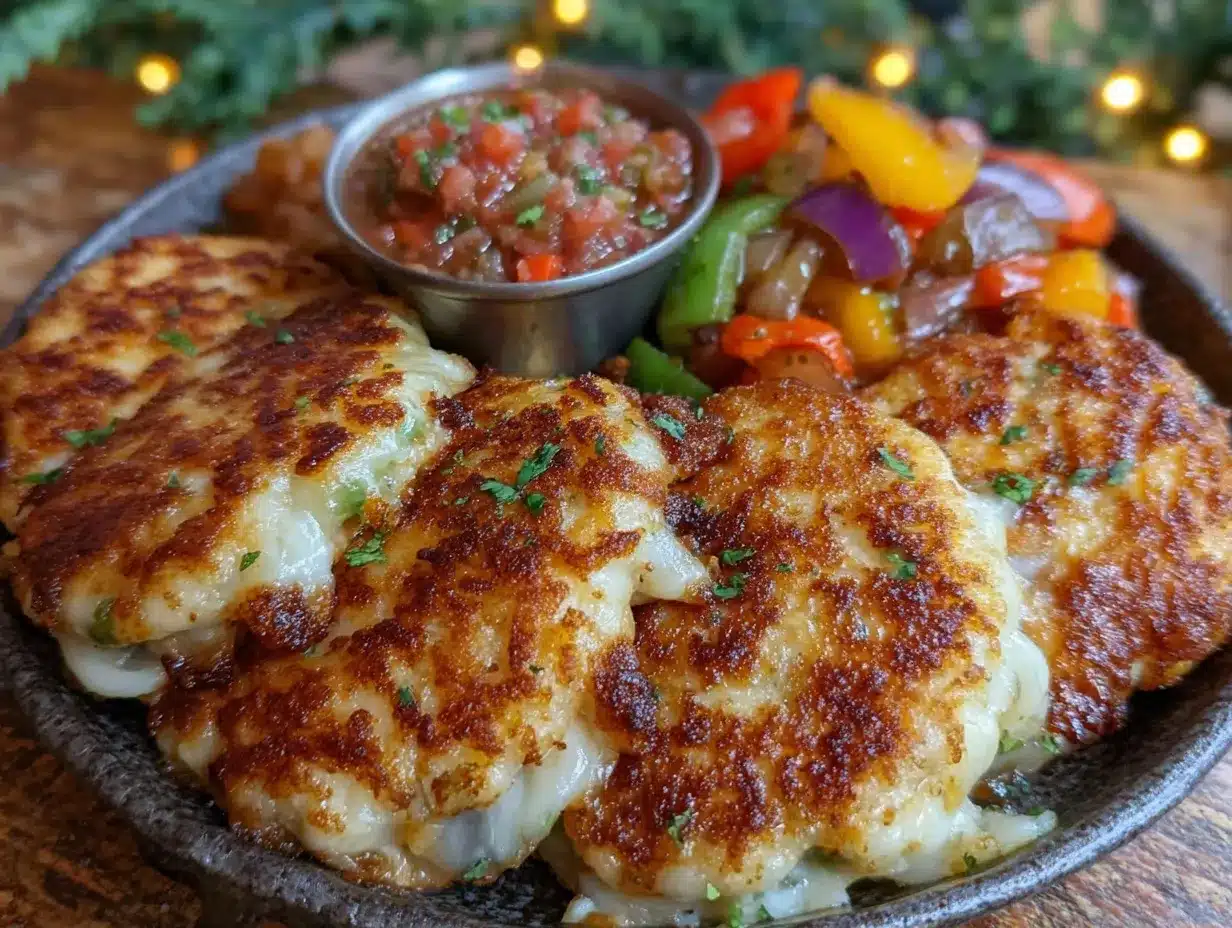
- Prep your ingredients: Chop 1 small onion and 1 bell pepper into bite-sized pieces. Mince 2 cloves garlic. Measure 1 cup (200g) of instant rice or quick-cook pasta. If using frozen corn, thaw about ½ cup (75g).
- Heat the hot plate to medium-high: Place your non-stick skillet on the burner and add 1 tablespoon (15ml) olive oil. Let it warm for about 1 minute until shimmering but not smoking.
- Sauté the aromatics: Add the chopped onion and bell pepper. Cook for 3–4 minutes until softened and slightly caramelized, stirring occasionally. Add garlic and cook for 30 seconds more until fragrant (watch closely so it doesn’t burn).
- Add protein: Toss in ½ pound (225g) ground beef or shredded chicken. Break up the meat and cook until browned and no longer pink, about 5–7 minutes. Drain excess fat if needed.
- Season and add moisture: Stir in 1 teaspoon chili powder, ½ teaspoon cumin, salt, and pepper to taste. Pour in 1 cup (240ml) canned diced tomatoes with juices and ½ cup (120ml) water or broth. Bring to a simmer for 5 minutes to meld flavors.
- Cook the carbs: Stir in your instant rice or quick-cook pasta. Cover the pan with a lid or foil and reduce heat to medium-low. Cook according to package directions, usually 5–10 minutes, until tender and liquid is absorbed.
- Finish with cheese: Remove the lid and sprinkle ½ cup (50g) shredded cheese over the top. Cover again for 1–2 minutes until melted and gooey.
- Garnish and serve: Top with a dollop of sour cream or Greek yogurt and a few dashes of hot sauce if you like. A sprinkle of chopped fresh cilantro or green onions adds a fresh pop.
Pro tip: Keep a close eye on the liquid level during cooking—if it dries out too fast, add a splash more water or broth. The smell at step 3 is a good cue for when the base is ready to add your protein.
Time-wise, this whole process should take about 20 minutes. I like to prep veggies first and multitask by heating the pan while chopping.
Cooking Tips & Techniques
Cooking on a hot plate can be a bit different from a full stove, so here are some tips I’ve picked up along the way:
- Temperature control is key: Hot plates vary, so start medium and adjust as you go. Too hot, and you risk burning; too low, and things take forever or cook unevenly.
- Don’t overcrowd the pan: Smaller batches cook better and brown nicely. If you’re making more, cook in batches or use a larger pan.
- Use a lid or foil: Trapping steam helps cook rice or pasta evenly on a hot plate without a lot of fuss.
- Layer your flavors: Adding spices early in cooking lets them bloom in the oil for richer taste.
- Watch your garlic: It burns quickly and turns bitter, so add it last when sautéing veggies.
- Cleanup is easier if you wipe the pan while it’s still warm (but not hot) after cooking.
One mistake I made often was rushing the simmer step, resulting in undercooked rice or pasta. Patience really pays off, even on a hot plate. Also, multitasking by prepping ingredients while something simmers saves time and keeps your workflow smooth.
Variations & Adaptations
These easy hot plate recipes are flexible—here are some ways to switch things up:
- Vegetarian version: Swap ground beef for canned black beans or lentils. Add extra veggies like zucchini or mushrooms for more texture.
- Spicy kick: Add chopped jalapeños or a teaspoon of chipotle in adobo sauce. A splash of hot sauce at the end works too.
- Breakfast twist: Crack a couple of eggs on top near the end of cooking and cover until they’re just set for a hearty breakfast skillet.
- Seasonal swaps: Use fresh tomatoes and sweet corn in summer, or frozen peas and carrots in winter.
- Healthier options: Use cauliflower rice instead of regular rice, or swap sour cream for Greek yogurt to boost protein.
Personally, I’ve tried one variation where I added diced avocado and lime juice on top after cooking—it gave the dish a fresh, creamy finish that was surprisingly satisfying. If you’re into experimenting, these recipes are forgiving and welcome your personal tweaks.
Serving & Storage Suggestions
These meals are best served hot, straight from the pan for maximum comfort. A sprinkle of fresh herbs or a squeeze of lime brightens them up nicely. They pair well with simple sides like a leafy salad or chips for crunch.
For leftovers, cool completely before storing in an airtight container in the fridge. They keep well for up to 3 days. Reheat gently on the hot plate or microwave, adding a splash of water if needed to keep moisture.
Freezing is possible for some recipes (especially those with beans or rice), but texture may change slightly after thawing. Reheating slowly and stirring helps maintain flavor and consistency.
Flavors often deepen after a day, so leftovers can taste even better. For a quick refresh, add a spoonful of salsa or a dash of fresh seasoning before serving.
Nutritional Information & Benefits
While exact values depend on ingredient choices, these recipes generally offer a balanced mix of protein, carbs, and fats. Using lean ground beef or chicken keeps fat moderate, while beans add fiber and plant-based protein.
Vegetables contribute vitamins and antioxidants, making these meals more nutrient-dense than typical dorm fare. Swapping in Greek yogurt boosts calcium and protein, supporting energy levels for busy students.
Many of the spices used, like cumin and chili powder, have digestive benefits and add flavor without extra calories. For gluten-free diets, using corn tortillas and rice fits easily.
Just watch for sodium if you use canned ingredients—rinsing beans or choosing low-sodium versions helps keep things healthier.
Conclusion
These easy hot plate recipes for dorm room comfort meals have been a game changer for me—not just for the convenience but for the way they make small spaces feel a little more like home. They’re perfect for anyone juggling a busy schedule who still wants tasty, satisfying food without a lot of hassle.
Feel free to customize these recipes to your taste and pantry, and don’t be shy about adding your own spin. After all, cooking in a dorm is as much about creativity as it is about convenience.
If you’ve enjoyed these ideas, I’d love to hear how you’ve made them your own or what quick dorm-friendly meals keep you going. Your kitchen might be small, but your flavor game can be huge!
FAQs
- Can I use a microwave instead of a hot plate for these recipes?
Microwaves can work for some ingredients, but a hot plate gives better control for sautéing and browning, which really boosts flavor. - What’s the best way to clean a hot plate after cooking?
Let it cool slightly, then wipe with a damp cloth. Avoid soaking or using abrasive cleaners that can damage the surface. - Can I make these recipes vegan?
Absolutely! Use plant-based proteins like beans or tofu and swap dairy cheese for vegan alternatives. - How do I prevent rice or pasta from sticking on the hot plate?
Use enough liquid, cover while cooking, and stir occasionally. A bit of oil in the pan also helps. - Are these recipes suitable for meal prep?
Yes, they store well in the fridge and can be reheated easily for quick meals throughout the week.
By the way, if you’re looking for more easy, comforting dishes that come together with minimal fuss, you might enjoy the easy 3-ingredient crockpot salsa chicken recipe perfect for taco night or the cozy creamy chicken and dumpling soup recipe easy under 30 minutes. They’re both great for adding variety to your dorm dining rotation!
Pin This Recipe!
Easy Hot Plate Recipes for Dorm Room Comfort Meals That Impress

Simple, quick, and flavorful recipes designed for dorm room cooking using a hot plate. These meals are perfect for small spaces and busy schedules, delivering hearty and satisfying comfort food with minimal equipment.
- Prep Time: 10 minutes
- Cook Time: 10 minutes
- Total Time: 20 minutes
- Yield: 2 servings 1x
- Category: Main Course
- Cuisine: American
Ingredients
- 1 small onion, chopped
- 1 bell pepper, chopped
- 2 cloves garlic, minced
- 1 cup (200g) instant rice or quick-cook pasta
- ½ cup (75g) frozen corn, thawed
- ½ pound (225g) ground beef or shredded rotisserie chicken
- 1 teaspoon chili powder
- ½ teaspoon cumin
- Salt and pepper to taste
- 1 cup (240ml) canned diced tomatoes with juices
- ½ cup (120ml) water or broth
- ½ cup (50g) shredded cheese (cheddar or mozzarella)
- 1 tablespoon (15ml) olive oil
- Sour cream or plain Greek yogurt for serving
- Hot sauce (optional)
- Fresh cilantro or green onions for garnish
Instructions
- Chop onion and bell pepper into bite-sized pieces. Mince garlic. Measure instant rice or quick-cook pasta. Thaw frozen corn if using.
- Heat hot plate to medium-high and place a non-stick skillet on the burner. Add olive oil and warm for about 1 minute until shimmering.
- Add chopped onion and bell pepper to skillet. Cook for 3–4 minutes until softened and slightly caramelized, stirring occasionally. Add garlic and cook for 30 seconds until fragrant.
- Add ground beef or shredded chicken. Break up meat and cook until browned and no longer pink, about 5–7 minutes. Drain excess fat if needed.
- Stir in chili powder, cumin, salt, and pepper. Pour in canned diced tomatoes with juices and water or broth. Bring to a simmer and cook for 5 minutes to meld flavors.
- Add instant rice or quick-cook pasta. Cover pan with lid or foil and reduce heat to medium-low. Cook according to package directions, usually 5–10 minutes, until tender and liquid is absorbed.
- Remove lid and sprinkle shredded cheese over the top. Cover again for 1–2 minutes until cheese melts.
- Garnish with sour cream or Greek yogurt, hot sauce if desired, and fresh cilantro or green onions. Serve hot.
Notes
Keep an eye on liquid levels during cooking and add more water or broth if it dries out too fast. Use a lid or foil to trap steam for even cooking. Avoid overcrowding the pan for better browning. Wipe pan while warm for easier cleanup. For dairy-free, substitute cheese with dairy-free alternatives or avocado. For gluten-free, use corn tortillas and rice.
Nutrition
- Serving Size: Approximately 1 bowl
- Calories: 450
- Sugar: 6
- Sodium: 600
- Fat: 20
- Saturated Fat: 8
- Carbohydrates: 40
- Fiber: 5
- Protein: 25
Keywords: hot plate recipes, dorm room meals, easy comfort food, quick recipes, dorm cooking, simple ingredients, budget meals