The neighborhood potluck was in three hours and I’d completely forgotten. I mean, completely. I was standing in my kitchen staring at the pantry like it owed me an answer, while my phone buzzed with texts from friends asking what I was bringing. Everyone else would be showing up with those elaborate, multi-day preparations — the kind of dishes that get photographed before anyone takes a bite. I had a box of pasta, a stick of butter, and some sage that was starting to look a little sad in the crisper drawer. Honestly, I almost just grabbed a bottle of wine and called it a day.
But then I remembered this brown butter sage pasta recipe I’d thrown together on a whim a few months back. It wasn’t fancy. It wasn’t complicated. But the first time I made it, I stood at the counter eating straight from the pan, which is usually a good sign. So I figured, what’s the worst that could happen? I’d show up with something simple, people would be polite, and I’d spend the rest of the night explaining that yes, I know it’s just butter and pasta. No big deal.
Well, let me tell you how that went. The dish was gone in fifteen minutes. People were asking for the recipe before I’d even had a chance to grab a fork myself. Someone actually said it was the best thing on the table. And I just stood there, holding my empty serving bowl, feeling like I’d accidentally won a cooking competition I didn’t even know I was in. That’s the thing about this brown butter sage pasta — it doesn’t look like much, but it tastes like you spent hours in the kitchen. Maybe you’ve been there, scrambling at the last minute for something that actually works. This one works. It’s been my secret weapon ever since.
Why You’ll Love This Recipe
Let me be real with you — I’ve tested this brown butter sage pasta at least a dozen times before I felt confident sharing it. I burned the butter twice. I undercooked the pasta once. I even tried it with dried sage (don’t do it, seriously). But every single time, even the “failures” were still pretty darn good. That’s how forgiving this recipe is.
- Quick & Easy: From start to finish, this comes together in under 20 minutes. Perfect for those nights when you’re hosting and realize you forgot to plan a side dish, or when you just want something comforting without the fuss.
- Simple Ingredients: You probably already have most of these in your kitchen. Butter, pasta, sage, garlic, parmesan. That’s it. No fancy grocery trips required.
- Perfect for Gatherings: This is the dish that disappears at potlucks, dinner parties, and holiday buffets. It’s elegant enough to impress but simple enough to make without stress.
- Crowd-Pleaser: I’ve served this to picky eaters, foodie friends, and everyone in between. It gets rave reviews every single time. There’s something about that nutty brown butter that just hits different.
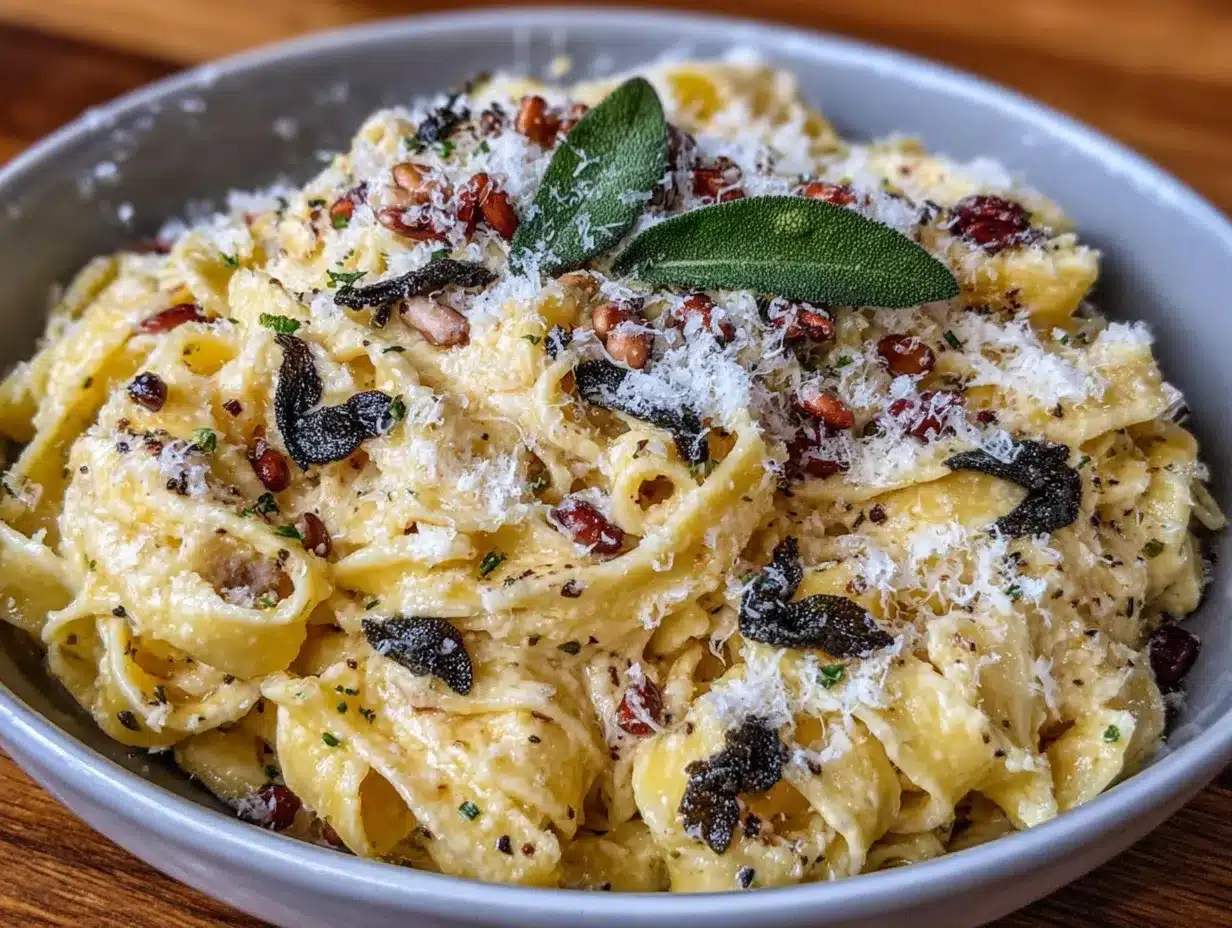
- Unbelievably Delicious: The texture is silky, the flavor is rich and nutty, and the crispy sage leaves on top add this little crunch that makes every bite interesting. It’s comfort food that feels fancy.
What makes this version different from all the others? It’s the technique. I figured out that letting the butter brown just until it smells like toasted nuts — not a second longer — makes all the difference. And I add a splash of pasta water at the end to create this silky sauce that coats every strand of pasta perfectly. It’s not just another brown butter pasta recipe. It’s the one you’ll come back to again and again.
What Ingredients You Will Need
This recipe uses simple, wholesome ingredients to deliver bold flavor and satisfying texture without the fuss. Most of these are pantry staples, which makes this dish perfect for last-minute entertaining.
For the Pasta
- 12 ounces (340g) dried pasta — I recommend fettuccine, tagliatelle, or pappardelle. The wider noodles catch the sauce beautifully. For a shorter option, rigatoni or penne work great too.
- 1 tablespoon kosher salt — for the pasta water. Don’t skip this! The pasta absorbs the salt as it cooks, which seasons the whole dish from the inside out.
For the Brown Butter Sauce
- 6 tablespoons (85g) unsalted butter — I prefer Kerrygold or Plugrà for the best flavor. The higher fat content creates a richer brown butter.
- 10-12 fresh sage leaves — plus 1 tablespoon finely chopped sage. Look for leaves that are bright green and fragrant, without any brown spots.
- 3 cloves garlic, thinly sliced — fresh garlic only here. The pre-minced stuff will burn before the butter browns properly.
- 1/2 cup (120ml) reserved pasta water — this is liquid gold. It helps create that silky, emulsified sauce.
- 1/2 cup (50g) freshly grated Parmesan cheese — please grate it yourself. Pre-shredded cheese has anti-caking agents that prevent it from melting smoothly.
- 1/4 teaspoon black pepper — freshly ground is best.
- 1/4 teaspoon red pepper flakes (optional) — adds a gentle warmth without making it spicy.
For Garnish
- Extra Parmesan — for serving
- Flaky sea salt — like Maldon, for that final pop of saltiness
- Fresh sage leaves — reserved from the crispy ones you’ll make
Substitution Guidance: For a gluten-free version, use your favorite gluten-free pasta. Just be careful not to overcook it. For a dairy-free option, you can use plant-based butter, though the browning process will be slightly different. The flavor won’t be quite as nutty, but it’ll still be delicious. If you don’t have fresh sage, you can use 1 teaspoon dried sage, but honestly, fresh really makes this dish shine.
Equipment Needed
You don’t need much for this recipe, which is part of its beauty. Here’s what you’ll need:
- Large pot — at least 5 quarts, for cooking the pasta. I use my trusty Calphalon stockpot, but any large pot works.
- Large skillet or sauté pan — a 12-inch pan is ideal. You want enough surface area for the butter to brown evenly. Stainless steel or non-stick both work, though stainless gives you better visual cues for the browning process.
- Wooden spoon or silicone spatula — for stirring the butter as it browns.
- Microplane or box grater — for grating the Parmesan. A microplane gives you that fluffy, melt-in-your-mouth texture.
- Measuring cups and spoons — for accuracy, though honestly, I eyeball the pasta water at this point.
- Tongs — for tossing the pasta with the sauce. They make mixing so much easier than a spoon.
If you don’t have a microplane, a vegetable peeler can create thin Parmesan shavings instead. And if you’re using a non-stick pan, be extra careful not to scratch it when stirring the garlic and sage. I learned that one the hard way.
Preparation Method
- Bring a large pot of water to a rolling boil. Add 1 tablespoon of kosher salt. The water should taste like the sea — that’s how you know you’ve seasoned it enough. While the water heats up, grate your Parmesan and slice your garlic. Trust me, having everything ready before you start cooking makes this process so much smoother.
- Add the pasta and cook according to package directions until al dente. For fettuccine, that’s usually about 8-10 minutes. Set a timer — nobody wants mushy pasta. While the pasta cooks, you’ll start the sauce.
- About 3 minutes before the pasta is done, start the brown butter. Place your large skillet over medium heat and add the butter. Let it melt completely, then swirl the pan occasionally. The butter will start to foam and bubble — that’s the water evaporating. Keep watching. After about 2-3 minutes, the foam will subside and you’ll see little brown specks forming at the bottom of the pan. The aroma will shift from “buttery” to “nutty and toasty.” That’s your cue.
- Add the sage leaves and garlic as soon as you see those brown specks. The sage will crisp up in about 30 seconds, and the garlic will become fragrant. Don’t walk away here — garlic burns fast. Stir constantly with your wooden spoon. If the garlic starts to turn dark brown, remove the pan from heat immediately.
- Reserve 1 cup of pasta water before draining the pasta. I always keep a liquid measuring cup nearby for this. Then drain the pasta (don’t rinse it!) and add it directly to the skillet with the brown butter sauce.
- Toss everything together over low heat. Add about 1/4 cup of the reserved pasta water and the grated Parmesan. Toss with tongs until the cheese melts and creates a silky sauce that coats every strand. If it looks too thick, add more pasta water a tablespoon at a time until it’s glossy and smooth. The sauce should cling to the pasta, not pool at the bottom of the pan.
- Season with black pepper and red pepper flakes if using. Give it one final toss. Taste a strand of pasta — add more salt if needed. Remember, the Parmesan is salty, so go easy at first.
- Plate immediately and top with the crispy sage leaves, extra Parmesan, and a sprinkle of flaky sea salt. Serve hot. This dish waits for no one — the sauce thickens as it cools.
Cooking Tips & Techniques
Let me save you from the mistakes I’ve already made. First timers, listen up.
The brown butter is everything. I cannot stress this enough. The difference between “good” brown butter and “burnt” brown butter is about 15 seconds. When you see those brown specks form and smell that nutty aroma, pull the pan off the heat. The residual heat will continue cooking it. I once got distracted by my phone and ended up with black butter. It smelled like a campfire in a bad way. Don’t be me.
Use cold butter. Starting with cold butter gives you more control over the browning process. It melts more slowly and evenly, which means you’re less likely to burn it. I keep my butter in the fridge until the moment I need it.
Don’t overcrowd the pan. If you’re doubling this recipe for a crowd, cook the pasta in batches or use two pans. Overcrowding lowers the temperature, and your butter won’t brown properly. The sauce will end up greasy instead of silky.
Pasta water is your secret weapon. That starchy water helps emulsify the butter and cheese into a creamy sauce. Without it, you’ll have oily pasta with clumps of cheese. I always reserve more than I think I’ll need — you can always add more, but you can’t add it back once it’s down the drain.
Grate your own cheese. I know, I know, it’s an extra step. But pre-shredded Parmesan has cellulose and anti-caking agents that prevent it from melting smoothly. Your sauce will be grainy instead of silky. Take the 30 seconds to grate it fresh. Your taste buds will thank you.
Variations & Adaptations
This brown butter sage pasta is delicious as-is, but it’s also a great base for experimentation. Here are some variations I’ve tried and loved:
Add Protein
Toss in some cooked chicken, shrimp, or crispy bacon. I’ve added leftover rotisserie chicken before and it was fantastic. The salty, savory flavors play beautifully with the nutty brown butter. For a vegetarian protein option, try adding some toasted pine nuts or walnuts.
Make It a Veggie-Heavy Meal
Add roasted butternut squash, sautéed mushrooms, or wilted spinach. The sweetness of the squash especially complements the sage. In the fall, I’ll roast cubes of butternut squash while the pasta cooks and toss everything together at the end. It’s like autumn in a bowl.
Try Different Herbs
If you don’t have sage, fresh thyme or rosemary work beautifully. The flavor profile shifts, but it’s still delicious. I’ve also used a combination of sage and thyme when I was running low on sage — it added a lovely complexity.
Dairy-Free Adaptation
Use a high-quality plant-based butter and nutritional yeast instead of Parmesan. The browning process works with vegan butter, though the flavor is slightly different. Add a splash of unsweetened oat milk at the end for creaminess.
Gluten-Free Option
Use your favorite gluten-free pasta. Brown rice pasta or chickpea pasta both work well. Just be careful not to overcook them — gluten-free pasta goes from al dente to mushy very quickly. Check it a minute before the package directions suggest.
Serving & Storage Suggestions
Serve this pasta immediately while it’s hot and the sauce is silky. The crispy sage leaves on top add a lovely texture contrast, so don’t skip them. I like to serve it in a wide, shallow bowl with extra Parmesan on the side for people to add themselves.
What to serve alongside: A simple green salad with lemon vinaigrette cuts through the richness of the pasta beautifully. Garlic bread is always a hit, too. If you’re hosting a dinner party, start with a light appetizer like bruschetta or antipasto, then serve this pasta as the main event. Pair it with a crisp white wine like Pinot Grigio or a light red like Pinot Noir.
For leftovers: Store in an airtight container in the refrigerator for up to 3 days. The pasta will absorb some of the sauce, so it won’t be as silky when reheated. To reheat, add a splash of water or milk and warm gently in a skillet over medium-low heat, stirring frequently. The microwave works in a pinch, but the texture won’t be as good.
Can you freeze it? I don’t recommend freezing this dish. The sauce tends to break when thawed, and the pasta becomes mushy. It’s really best enjoyed fresh. That said, if you absolutely must freeze it, undercook the pasta by a minute and freeze without the Parmesan. Add fresh Parmesan when reheating.
Flavor development: Honestly, this dish is at its peak right after cooking. The brown butter flavor is most pronounced when fresh. Leftovers are still tasty, but they won’t have that same magic.
Nutritional Information & Benefits
Here’s the approximate nutritional breakdown for one serving (about 1/4 of the recipe):
- Calories: 480
- Fat: 22g
- Carbohydrates: 55g
- Protein: 14g
- Fiber: 3g
- Sodium: 580mg
Health highlights: While this isn’t exactly health food, it does have some redeeming qualities. Sage is packed with antioxidants and has anti-inflammatory properties. It’s also been used traditionally to aid digestion — which is helpful after a rich meal. The Parmesan provides calcium and protein, and the pasta gives you energy for whatever comes next.
Dietary considerations: This recipe contains dairy and gluten. For a lower-calorie version, use whole wheat pasta and reduce the butter to 4 tablespoons. You can also add more vegetables to bulk it up without adding many calories.
My personal take? This is a treat, not an everyday meal. I make it when I want something comforting and indulgent, and I don’t feel guilty about it. Life’s too short to skip the butter.
Frequently Asked Questions
Can I use dried sage instead of fresh?
You can, but the flavor won’t be as bright and you won’t get those crispy sage leaves for garnish. If using dried, add it to the butter at the same time as the garlic and skip the crispy leaf step.
Why did my brown butter turn bitter?
You likely cooked it too long. Brown butter can go from perfect to burnt very quickly. When you see those brown specks and smell that nutty aroma, remove the pan from heat immediately. The residual heat will continue cooking it slightly.
Can I make this ahead of time for a party?
I don’t recommend making it completely ahead, but you can prep the ingredients. Grate the cheese, slice the garlic, and measure the sage. Cook the pasta and make the sauce right before serving. The whole process takes about 20 minutes, so it’s easy to do while guests are mingling.
What pasta shape works best?
Wide, flat noodles like fettuccine, tagliatelle, or pappardelle are ideal because the sauce clings to them beautifully. But honestly, any pasta shape works. I’ve made this with penne, rigatoni, and even spaghetti — it’s always delicious.
How do I prevent the cheese from clumping?
Make sure your pasta is hot when you add the cheese, and toss it quickly with the pasta water. The starch in the water helps emulsify the cheese into the butter. Also, always use freshly grated Parmesan — pre-shredded cheese won’t melt smoothly.
Conclusion
This brown butter sage pasta has become my go-to for every gathering, big or small. It’s the recipe I make when I want to impress without stress, when I need something quick, or when I just want to eat something that feels like a warm hug in a bowl. The nutty brown butter, the crispy sage, the silky sauce — it’s simple perfection.
I’d love for you to try this and make it your own. Add your favorite protein, throw in some extra veggies, or keep it exactly as written. However you make it, I hope it brings you the same joy it’s brought me. Drop a comment below and let me know how it turned out — did you add anything special? Did your guests go crazy for it? I’m genuinely curious. And if you’re looking for another crowd-pleaser, you might love this creamy garlic mushroom pasta or this lemon herb risotto for your next dinner party.
Happy cooking, friends. Go make something delicious.
Pin This Recipe!
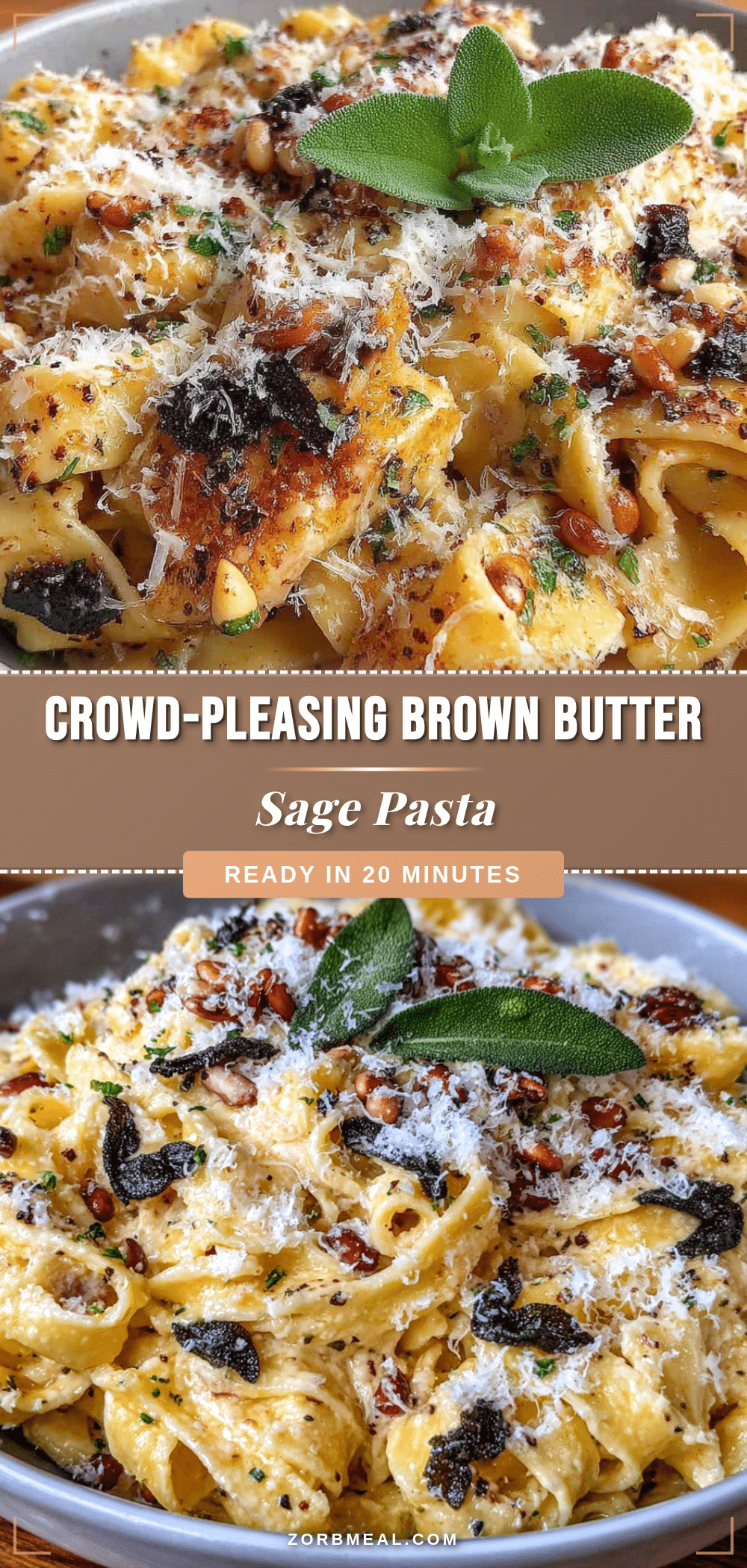
Brown Butter Sage Pasta Recipe: Easy 20-Minute Dinner
This brown butter sage pasta is a quick and easy 20-minute dinner that tastes like you spent hours in the kitchen. With nutty brown butter, crispy sage, and a silky Parmesan sauce, it’s the perfect crowd-pleaser for potlucks, dinner parties, or busy weeknights.
- Prep Time: 5 minutes
- Cook Time: 15 minutes
- Total Time: 20 minutes
- Yield: 4 servings 1x
- Category: Main Course
- Cuisine: Italian
Ingredients
- 12 ounces (340g) dried pasta (fettuccine, tagliatelle, or pappardelle recommended)
- 1 tablespoon kosher salt
- 6 tablespoons (85g) unsalted butter
- 10–12 fresh sage leaves, plus 1 tablespoon finely chopped sage
- 3 cloves garlic, thinly sliced
- 1/2 cup (120ml) reserved pasta water
- 1/2 cup (50g) freshly grated Parmesan cheese
- 1/4 teaspoon black pepper, freshly ground
- 1/4 teaspoon red pepper flakes (optional)
- Extra Parmesan for garnish
- Flaky sea salt for garnish
- Fresh sage leaves for garnish
Instructions
- Bring a large pot of water to a rolling boil. Add 1 tablespoon of kosher salt. While the water heats up, grate your Parmesan and slice your garlic.
- Add the pasta and cook according to package directions until al dente (about 8-10 minutes for fettuccine). Set a timer.
- About 3 minutes before the pasta is done, start the brown butter. Place a large skillet over medium heat and add the butter. Let it melt completely, then swirl the pan occasionally. After about 2-3 minutes, the butter will foam and bubble, then the foam will subside and brown specks will form at the bottom. The aroma will become nutty and toasty.
- Add the sage leaves and garlic as soon as you see the brown specks. Cook for about 30 seconds, stirring constantly, until the sage is crispy and the garlic is fragrant. Remove from heat if garlic starts to darken.
- Reserve 1 cup of pasta water before draining the pasta. Drain the pasta (do not rinse) and add it directly to the skillet with the brown butter sauce.
- Toss everything together over low heat. Add about 1/4 cup of the reserved pasta water and the grated Parmesan. Toss with tongs until the cheese melts and creates a silky sauce. Add more pasta water a tablespoon at a time if needed until glossy and smooth.
- Season with black pepper and red pepper flakes if using. Give one final toss and adjust salt if needed.
- Plate immediately and top with crispy sage leaves, extra Parmesan, and a sprinkle of flaky sea salt. Serve hot.
Notes
The brown butter is everything—watch it closely to avoid burning. Use cold butter for better control. Don’t overcrowd the pan if doubling the recipe. Pasta water is essential for a silky sauce. Always grate your own Parmesan for smooth melting. Serve immediately as the sauce thickens as it cools.
Nutrition
- Serving Size: 1/4 of recipe
- Calories: 480
- Sugar: 2
- Sodium: 580
- Fat: 22
- Saturated Fat: 13
- Carbohydrates: 55
- Fiber: 3
- Protein: 14
Keywords: brown butter sage pasta, easy pasta recipe, 20-minute dinner, potluck pasta, quick pasta, sage butter pasta, Italian pasta


