It was 10:47 PM on a quiet, drizzly Tuesday, and I had a very specific craving for something that tasted like autumn in a bowl. I didn’t have the pork shoulder I usually reach for on a rainy night, but I had a lone pork tenderloin in the fridge, a half-gallon of apple cider from the weekend farmers’ market, and this wild idea that maybe, just maybe, braising the leanest cut of pork could actually work. Honestly, I was half-convinced I was about to ruin a perfectly good piece of meat.
I mean, conventional wisdom tells you to sear a tenderloin and serve it medium-rare, not simmer it in liquid for an hour. But there I was, bleary-eyed and stubborn, chopping an onion while my cat watched me from the counter like I’d lost my mind. I figured the natural sweetness of the cider and the acidity from a splash of apple cider vinegar might keep the lean meat from drying out into sad, flavorless shreds. Let me tell you, the smell that filled my kitchen that night was pure magic—like walking into a candle shop, but better, because I knew I’d get to eat it.
When I finally pulled that tenderloin out of the Dutch oven, I was shocked. It wasn’t dry. It wasn’t tough. It was impossibly light, incredibly tender, and practically humming with the flavor of apples and warm spices. Maybe you’ve been there—that moment when a desperate, late-night kitchen experiment turns into a recipe you’ll make for the rest of your life. This is that recipe. It’s the kind of dinner that feels fancy enough for a Sunday supper but is simple enough for a random Tuesday night when you just need something good.
Why You’ll Love This Recipe
As a recipe developer who has tested this dish more times than I can count (including one memorable failure where I forgot to sear the pork first—don’t do that), I can tell you this is the version you want. It’s a crowd-pleaser that makes you look like a kitchen pro without the stress.
- Quick & Easy: Comes together in about 45 minutes of active time, and then the oven does the rest. Perfect for a busy weeknight when you want something cozy without the all-day effort.
- Simple Ingredients: No fancy grocery trips needed. If you have pork tenderloin, apple cider, and a few pantry staples, you’re already halfway there.
- Perfect for Fall Gatherings: Great for a cozy dinner with friends, a special-occasion meal that won’t break the bank, or even a holiday table alternative to heavy roasts.
- Crowd-Pleaser: Even picky eaters love this. The sauce is sweet, savory, and just tangy enough to win over anyone.
- Unbelievably Delicious: The texture is the real star. It’s light and tender, not heavy or greasy. The apple cider reduces into a silky, flavorful sauce that you’ll want to put on everything.
What makes this recipe different? It’s the technique. Most braised pork recipes use a tougher cut like shoulder, which needs hours to break down. But by using a quick brine and a gentle braise at a lower temperature, we keep the tenderloin incredibly moist while still getting that deep, slow-cooked flavor. This isn’t just another pork recipe—it’s your new go-to for a meal that feels both wholesome and indulgent.
What Ingredients You Will Need
This recipe uses simple, wholesome ingredients to deliver bold flavor and satisfying texture without the fuss. Most of these are pantry staples, especially if you’ve got a well-stocked spice drawer.
- Pork Tenderloin (1 to 1.5 lbs): Look for a tenderloin that’s uniform in thickness for even cooking. I prefer getting mine from a local butcher when I can, but a standard grocery store tenderloin works just fine. Trim off the silver skin for the best texture.
- Apple Cider (2 cups): The star of the show. Use fresh, unfiltered apple cider if you can find it—it has a deeper, more complex flavor than the filtered stuff. (If you only have apple juice, it will work, but the flavor will be milder.)
- Chicken Broth (1 cup): Low-sodium is best here so you can control the salt. I like Swanson or Kitchen Basics for consistent flavor.
- Yellow Onion (1 large, sliced): Adds sweetness and body to the braising liquid. You could use a sweet onion like Vidalia if you want it even more mellow.
- Garlic (4 cloves, smashed): Don’t mince it too fine—smashing is enough. It will soften and meld into the sauce during the braise.
- Fresh Thyme (4-5 sprigs): Earthy and aromatic. If you only have dried, use 1 teaspoon.
- Apple Cider Vinegar (2 tablespoons): This is the secret to balancing the sweetness of the cider. It brightens the whole dish.
- Dijon Mustard (1 tablespoon): Adds a subtle tang and helps emulsify the sauce. I recommend Grey Poupon for a smooth, creamy texture.
- Salt and Black Pepper: To taste. Don’t be shy with the pepper—it works beautifully with the apples.
- Olive Oil (2 tablespoons): For searing. Avocado oil works too if you prefer a higher smoke point.
- Optional: 1 tablespoon butter: Stirring this in at the end gives the sauce a beautiful, glossy finish. It’s not necessary, but it’s a nice touch.
Ingredient Selection Tips
For the best results, choose a pork tenderloin that’s pinkish-red with a small amount of white fat cap. Avoid any that look gray or have a lot of liquid in the package. If you’re using store-bought apple cider, shake the bottle before measuring—the sediment at the bottom is where the flavor lives.
Equipment Needed
You don’t need a ton of fancy tools for this recipe, which is part of why I love it. Here’s what you’ll need:
- Dutch Oven or Heavy-Bottomed Pot: A 5-6 quart Dutch oven is ideal. I use my trusty Le Creuset, but a Lodge enameled cast iron works just as well and costs a fraction of the price. If you don’t have a Dutch oven, a deep oven-safe skillet with a lid will work.
- Chef’s Knife: For trimming the pork and slicing the onion. A sharp knife makes all the difference.
- Cutting Board: Preferably a large, sturdy wooden or plastic one.
- Tongs: For flipping the pork while searing. Silicone-tipped ones won’t scratch your pot.
- Measuring Cups and Spoons: For accuracy. Braising is forgiving, but precise measurements help.
- Meat Thermometer: This is non-negotiable for a perfect tenderloin. I use a digital instant-read thermometer. It takes the guesswork out and ensures you never overcook it.
- Fine-Mesh Strainer (optional): For straining the braising liquid if you want a super smooth sauce. I often skip this step because I like the texture of the onions.
Budget-Friendly Alternatives
If you don’t own a Dutch oven, you can start the recipe in a large skillet and then transfer everything to a 9×13 baking dish, cover tightly with foil, and braise in the oven. It works perfectly.
Preparation Method
Let’s get cooking. This method is broken down into simple steps so you can follow along without any stress.
- Prep the Pork: Take the pork tenderloin out of the fridge about 20 minutes before you start. Pat it completely dry with paper towels—this is crucial for a good sear. Season generously on all sides with 1 teaspoon salt and ½ teaspoon black pepper. Don’t skimp here; the seasoning is your first layer of flavor.
- Sear the Pork: Heat 2 tablespoons of olive oil in your Dutch oven over medium-high heat. When the oil is shimmering (but not smoking), carefully place the tenderloin in the pot. Let it sear without moving it for 3-4 minutes, until a deep golden-brown crust forms. Flip with tongs and repeat on all sides, including the ends. This should take about 10-12 minutes total. Remove the pork to a plate and set aside.
- Sauté the Aromatics: Reduce the heat to medium. Add the sliced onion to the pot and cook for 4-5 minutes, scraping up any browned bits from the bottom. You want the onion to soften and start to turn golden. Add the smashed garlic and cook for another minute, until fragrant.
- Deglaze the Pot: Pour in ½ cup of the apple cider and use a wooden spoon to scrape up all the delicious browned bits from the bottom of the pot. This is where so much flavor lives. Let it bubble for about 1 minute.
- Build the Braising Liquid: Add the remaining 1½ cups of apple cider, the chicken broth, apple cider vinegar, Dijon mustard, and fresh thyme sprigs. Stir everything together. Bring the liquid to a gentle simmer.
- Braise the Pork: Return the seared pork tenderloin to the pot, nestling it into the liquid. The liquid should come about halfway up the sides of the pork—if it doesn’t, add a splash more broth or water. Put the lid on the pot.
- Cook Low and Slow: Transfer the pot to a preheated 325°F (163°C) oven. Braise for 25-30 minutes, or until an instant-read thermometer inserted into the thickest part of the pork reads 145°F (63°C). Pro tip: Start checking at the 20-minute mark, especially if your tenderloin is on the smaller side.
- Rest the Pork: Carefully remove the pot from the oven. Transfer the pork to a cutting board and tent it loosely with aluminum foil. Let it rest for 10 minutes. This is a critical step—it allows the juices to redistribute throughout the meat.
- Finish the Sauce: While the pork rests, place the Dutch oven back on the stovetop over medium heat. Remove the thyme sprigs. Bring the braising liquid to a simmer and cook for 5-7 minutes, until it reduces slightly and thickens into a light, syrupy sauce. Taste and adjust seasoning with salt and pepper. If you want a glossier sauce, whisk in 1 tablespoon of butter at the end.
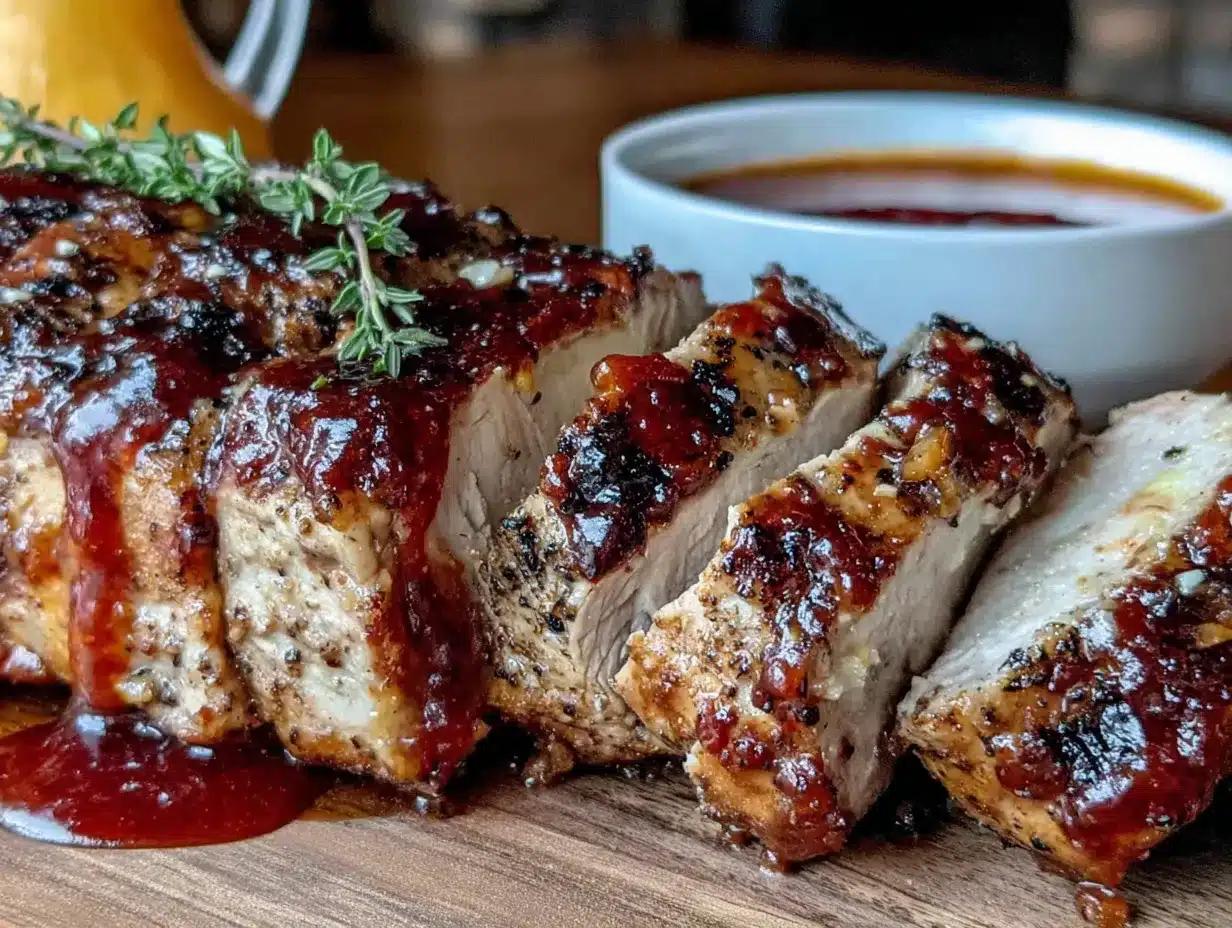
- Slice and Serve: Slice the rested pork tenderloin into ½-inch thick medallions. Spoon the sauce and caramelized onions over the top. Serve immediately.
Sensory Cues for Success
When you’re searing, listen for a steady sizzle—if it’s too quiet, your pan isn’t hot enough. During the braise, your kitchen should smell like a cozy apple orchard. The sauce is ready when it coats the back of a spoon and looks glossy, not watery.
Cooking Tips & Techniques
I’ve made this recipe enough times to learn a few things the hard way. Here are my best tips for nailing it every time.
- Don’t Skip the Dry: Patting the pork dry before seasoning is the single most important step for a good sear. Wet meat steams, not sears. I’ve made this mistake on a lazy Sunday, and the crust was sad and pale.
- Mind the Temperature: Pork tenderloin is lean and cooks fast. Overcooking it by even 5 degrees can make it tough. I always pull it from the oven at 145°F (63°C) because the carryover cooking will bring it to about 150°F (66°C) as it rests. That’s the sweet spot for tender, juicy meat.
- Use a Thermometer: I cannot stress this enough. One time, I thought I could eyeball it and ended up with pork that was closer to shoe leather than dinner. A $10 instant-read thermometer will save you every time.
- Let It Rest: I know it’s tempting to slice right into that beautiful piece of meat, but patience pays off. If you slice too soon, all those flavorful juices will run out onto the cutting board instead of staying in the pork.
- Multitask Smartly: While the pork is braising in the oven, you have 25-30 minutes of free time. This is perfect for roasting some vegetables (like Brussels sprouts or carrots), tossing a simple salad, or setting the table. I usually make a batch of mashed potatoes or crusty bread to soak up all that sauce.
Variations & Adaptations
This recipe is wonderfully flexible. Here are a few ways to make it your own.
- Dietary Adaptations: To make this dairy-free, simply skip the butter at the end. For a gluten-free version, double-check your Dijon mustard and chicken broth labels—they are usually GF, but it’s always good to verify. This recipe is naturally low-carb if you skip any starchy sides.
- Seasonal Twist: In the fall, add a chopped apple (like Honeycrisp or Granny Smith) to the pot along with the onions. It softens and adds little pockets of apple flavor. In the spring, swap the thyme for fresh rosemary and add a splash of white wine instead of the vinegar.
- Flavor Variations: For a warmer, spicier profile, add ½ teaspoon of ground cinnamon and a pinch of nutmeg to the braising liquid. If you like a little heat, toss in a pinch of red pepper flakes along with the garlic. I tried the cinnamon version one rainy October evening, and it was like eating a hug.
- Different Cooking Methods: You can make this in a slow cooker! Sear the pork and sauté the onions on the stovetop first, then transfer everything to the slow cooker. Cook on low for 3-4 hours, until the pork is tender but not falling apart. The sauce will be thinner, so you may want to thicken it on the stovetop before serving.
- Personal Variation: I once added a splash of bourbon to the braising liquid on a whim, and it was incredible. The smoky sweetness paired perfectly with the apple cider. Just don’t tell your guests until after they’ve complimented the sauce.
Serving & Storage Suggestions
This dish is versatile and can be dressed up or down depending on the occasion.
Serving: Serve the sliced pork tenderloin warm, with plenty of the braising liquid spooned over the top. It pairs beautifully with creamy mashed potatoes, which soak up the sauce like a dream. For a lighter option, try it over a bed of buttered egg noodles or alongside roasted butternut squash. A simple green salad with a tangy vinaigrette cuts through the richness nicely.
Complementary Dishes: This pork is fantastic with creamy garlic mashed potatoes or honey-roasted carrots. For drinks, a crisp hard cider or a dry Riesling is a perfect match. If you’re feeling fancy, a side of sautéed apples with a pinch of cinnamon makes the whole meal feel like a celebration.
Storage: Store any leftovers in an airtight container in the refrigerator for up to 3 days. The flavors actually meld and deepen overnight, so it’s even better the next day. To reheat, place the pork and sauce in a covered skillet over low heat for about 10 minutes, or until warmed through. Add a splash of broth or apple cider if the sauce has thickened too much.
Freezing: This recipe freezes beautifully. Let the pork cool completely, then slice it and place it in a freezer-safe container with the sauce. Freeze for up to 3 months. Thaw in the refrigerator overnight and reheat gently on the stovetop. The texture will still be light and tender.
Nutritional Information & Benefits
This dish is a balanced, wholesome meal that feels indulgent without being heavy. Here’s the estimated nutritional breakdown per serving (based on 4 servings, without sides):
| Nutrient | Amount per Serving |
|---|---|
| Calories | 290 |
| Protein | 32g |
| Fat | 10g |
| Carbohydrates | 18g |
| Fiber | 1g |
| Sugar | 12g |
| Sodium | 580mg |
Pork tenderloin is one of the leanest cuts of meat, packed with protein and B vitamins. The apple cider provides natural sweetness and a dose of antioxidants, while the onions and garlic add prebiotic fiber that supports gut health. This recipe is naturally gluten-free and can easily be made dairy-free. It’s a great option for anyone looking for a satisfying meal that doesn’t leave them feeling sluggish.
Conclusion
This Light & Tender Apple Cider Braised Pork Tenderloin is proof that you don’t need a complicated recipe or a pantry full of exotic ingredients to make something truly special. It’s the kind of meal that makes a rainy Tuesday feel like a cozy Sunday, and it’s simple enough to become a regular part of your dinner rotation.
I love this recipe because it’s forgiving, adaptable, and always delivers. Whether you’re making it for a family dinner or just for yourself on a quiet night, I hope it brings you the same comfort it brings me. Try it with your favorite fall sides, make it your own with the variations, and don’t forget to save that sauce—it’s the best part.
I’d love to hear how it turns out for you! Leave a comment below and let me know what variations you tried, or tag me in your photos if you share them. Happy cooking, friends!
Frequently Asked Questions
Can I use pork loin instead of pork tenderloin?
Yes, but the cooking time will be different. Pork loin is thicker and leaner than tenderloin, so it will need a longer braise. I recommend checking the internal temperature after 35-40 minutes. It may also be slightly less tender than tenderloin, but it will still be delicious.
What if I don’t have apple cider?
No problem! You can use apple juice in its place, though the flavor will be a bit milder. For a more complex taste, mix 1½ cups of apple juice with ½ cup of hard cider or a splash of apple cider vinegar to add some tang.
Can I make this recipe in advance?
Absolutely. In fact, the flavors get even better after a day in the fridge. Prepare the recipe as directed, let it cool, and store the pork and sauce together in the fridge. Reheat gently on the stovetop or in a low oven (300°F) until warmed through. The pork will stay wonderfully tender.
How do I prevent the pork from drying out?
The keys are: don’t overcook it (use a meat thermometer!), let it rest after braising, and make sure the braising liquid comes at least halfway up the sides of the pork. The liquid keeps the meat moist during cooking, and the resting period allows the juices to redistribute.
Can I add vegetables to the braise?
Definitely! Chopped carrots, celery, or parsnips can be added along with the onions. Just keep in mind that they will soften and absorb the sauce’s flavor. If you want them to hold their shape better, add them halfway through the braising time.
PrintLight & Tender Apple Cider Braised Pork Tenderloin

A cozy fall recipe featuring a lean pork tenderloin braised in apple cider until impossibly tender, with a silky, sweet-savory sauce. Perfect for a weeknight dinner or a special occasion.
- Prep Time: 20 minutes
- Cook Time: 45 minutes
- Total Time: 1 hour 5 minutes
- Yield: 4 servings 1x
- Category: Main Course
- Cuisine: American
Ingredients
- 1 to 1.5 lbs pork tenderloin
- 2 cups apple cider (unfiltered preferred)
- 1 cup low-sodium chicken broth
- 1 large yellow onion, sliced
- 4 cloves garlic, smashed
- 4–5 sprigs fresh thyme (or 1 teaspoon dried)
- 2 tablespoons apple cider vinegar
- 1 tablespoon Dijon mustard (e.g., Grey Poupon)
- Salt and black pepper to taste
- 2 tablespoons olive oil (or avocado oil)
- 1 tablespoon butter (optional, for glossy sauce)
Instructions
- Take the pork tenderloin out of the fridge about 20 minutes before starting. Pat it completely dry with paper towels. Season generously on all sides with 1 teaspoon salt and ½ teaspoon black pepper.
- Heat 2 tablespoons olive oil in a Dutch oven over medium-high heat. When the oil is shimmering, carefully place the tenderloin in the pot. Sear without moving for 3-4 minutes until a deep golden-brown crust forms. Flip and repeat on all sides, including the ends (about 10-12 minutes total). Remove pork to a plate and set aside.
- Reduce heat to medium. Add sliced onion to the pot and cook for 4-5 minutes, scraping up browned bits, until softened and starting to turn golden. Add smashed garlic and cook for another minute until fragrant.
- Pour in ½ cup of the apple cider and use a wooden spoon to scrape up all browned bits from the bottom. Let bubble for about 1 minute.
- Add remaining 1½ cups apple cider, chicken broth, apple cider vinegar, Dijon mustard, and fresh thyme sprigs. Stir together and bring to a gentle simmer.
- Return the seared pork tenderloin to the pot, nestling it into the liquid. The liquid should come about halfway up the sides of the pork; add a splash more broth or water if needed. Put the lid on the pot.
- Transfer the pot to a preheated 325°F (163°C) oven. Braise for 25-30 minutes, or until an instant-read thermometer inserted into the thickest part reads 145°F (63°C). Start checking at the 20-minute mark for smaller tenderloins.
- Carefully remove the pot from the oven. Transfer pork to a cutting board and tent loosely with aluminum foil. Let rest for 10 minutes.
- While pork rests, place the Dutch oven back on the stovetop over medium heat. Remove thyme sprigs. Bring braising liquid to a simmer and cook for 5-7 minutes until it reduces slightly and thickens into a light, syrupy sauce. Taste and adjust seasoning with salt and pepper. Whisk in 1 tablespoon butter at the end if desired for a glossier sauce.
- Slice the rested pork tenderloin into ½-inch thick medallions. Spoon sauce and caramelized onions over the top. Serve immediately.
Notes
Pat the pork dry before searing for the best crust. Use a meat thermometer to avoid overcooking; pull at 145°F (63°C) as carryover cooking will bring it to about 150°F (66°C). Let the pork rest for 10 minutes before slicing to keep it juicy. The sauce can be made glossier by whisking in 1 tablespoon of butter at the end. For a slow cooker version, sear pork and sauté onions on stovetop first, then transfer to slow cooker and cook on low for 3-4 hours.
Nutrition
- Serving Size: 1 serving (about 4-5
- Calories: 290
- Sugar: 12
- Sodium: 580
- Fat: 10
- Saturated Fat: 3
- Carbohydrates: 18
- Fiber: 1
- Protein: 32
Keywords: apple cider braised pork tenderloin, easy fall recipe, braised pork tenderloin, apple cider pork, tender pork tenderloin, fall dinner recipe