I was standing in the community garden last October, staring at a pile of vegetables I’d grown myself—carrots that looked like they’d been in a fight, kale that had bolted in the heat, and more butternut squash than I knew what to do with. An older woman named Rosa was tending her plot next to mine, moving slowly but deliberately. She watched me for a minute, then said, “You’re going to try to use all of that at once, aren’t you?” I laughed and admitted I was thinking about soup. She nodded and told me about her crockpot vegetable soup, the one she makes every Sunday during the colder months. “You just throw everything in,” she said, waving her hand. “The pot does the work. You get to rest.”
Honestly, I was skeptical at first. I’ve made plenty of soups that required constant stirring, careful layering of flavors, and a whole lot of patience. But Rosa’s approach was different. She wasn’t trying to impress anyone. She was trying to feed her family after a long week, and she wanted to do it without hovering over the stove. That conversation stuck with me, and I went home that evening with a bag of her extra zucchini and a new way of thinking about dinner.
I tweaked her method a bit over the next few weeks. I added some herbs I had drying in my kitchen, swapped in vegetable broth instead of water for more depth, and figured out the right balance of veggies so nothing turned to mush. The result was this cozy set-and-forget crockpot vegetable soup that honestly changed how I meal prep. It’s the kind of recipe you make when you want something warm and nourishing but don’t have the energy to stand over a stove. Maybe you’ve been there—a day that just asks for comfort without the fuss.
Rosa never gave me a written recipe. She just described it while we pulled weeds. But that’s why I love it. It’s not rigid. It’s forgiving. And every time I make it, I think of her hands in the dirt and her simple wisdom: let the pot do the work.
Why You’ll Love This Recipe
I’ve tested this soup more times than I can count, and let me tell you—it’s become my go-to for those days when I need dinner to feel like a hug. Here’s why this version stands out from every other vegetable soup recipe you’ve seen.
- Truly hands-off: You chop, dump, and walk away. The crockpot does everything. No stirring, no babysitting, no worrying about burning the bottom.
- Pantry-friendly ingredients: Most of what you need is probably already in your kitchen or crisper drawer. No fancy trips to specialty stores required.
- Perfect for meal prep: This soup tastes even better the next day. Make a big batch on Sunday and have lunches ready for half the week.
- Budget-friendly comfort: Vegetables are affordable, especially when they’re in season. This is real food that won’t break the bank.
- Crowd-pleasing flavor: Even my friend who claims she “doesn’t like vegetable soup” asked for the recipe after trying a bowl.
What makes this different from other crockpot soups is the layering technique I figured out after a few failed attempts. Most recipes tell you to dump everything at once, and you end up with mushy zucchini and undercooked carrots. I found a smarter way—adding vegetables in stages so each one keeps its texture and personality. The broth develops a richness that tastes like it simmered all day, because it did, but without you doing much of anything.
This is the soup you make when you’ve had a long week and you just need something warm and good. It’s comfort food that actually makes you feel better, not heavier. And honestly? It’s the kind of recipe that makes you close your eyes after the first spoonful and just breathe.
What Ingredients You Will Need
This recipe uses simple, wholesome ingredients that come together to create a deeply flavorful broth and tender, satisfying vegetables. Most of these are staples you probably already have, and I’ve included notes on substitutions so you can work with what’s available.
- Olive oil – 2 tablespoons, for sautéing the aromatics. Extra virgin works great, but regular olive oil is fine too.
- Yellow onion – 1 large, diced. Adds a sweet, savory base to the broth.
- Garlic cloves – 4 cloves, minced. Fresh is best here, but jarred minced garlic works in a pinch (use about 1 teaspoon).
- Carrots – 3 medium, peeled and chopped into half-inch pieces. They hold up beautifully during long cooking.
- Celery stalks – 3 stalks, chopped. Adds that classic soup flavor and a little crunch.
- Russet potatoes – 2 medium, peeled and cubed into 1-inch pieces. Yukon golds also work well and give a creamier texture.
- Zucchini – 1 medium, chopped into half-inch pieces. Add this later so it doesn’t turn to mush.
- Green beans – 1 cup, trimmed and cut into 1-inch pieces. Fresh or frozen both work.
- Canned diced tomatoes – 1 can (14.5 ounces), with their juices. Fire-roasted adds extra depth if you have them.
- Vegetable broth – 4 cups. Low-sodium is best so you can control the salt. I recommend Pacific Foods or Swanson for consistent flavor.
- Tomato paste – 2 tablespoons. This little addition makes the broth richer and more savory.
- Dried thyme – 1 teaspoon. Earthy and warm, perfect for this kind of soup.
- Dried oregano – 1 teaspoon. Adds a subtle Italian note.
- Bay leaf – 1 leaf. Don’t skip it—it adds a background flavor you’ll miss if it’s gone.
- Salt – 1 teaspoon, plus more to taste at the end.
- Black pepper – ½ teaspoon, freshly ground if possible.
- Frozen peas – 1 cup. Stir these in at the end for a pop of sweetness and color.
- Fresh parsley – ¼ cup, chopped, for garnish. Optional but nice for a fresh finish.
Ingredient selection tips: For the best texture, choose carrots that are firm and not rubbery. If your zucchini is very large, scoop out the seeds before chopping to avoid a watery soup. For a deeper umami flavor, you can add a tablespoon of soy sauce or tamari along with the broth—I started doing this after a friend suggested it, and it makes a noticeable difference.
Substitutions: Swap potatoes for sweet potatoes or cauliflower for a lower-carb option. Use gluten-free vegetable broth if needed. If you don’t have green beans, chopped bell peppers or corn make great alternatives. Just keep the total vegetable volume roughly the same.
Equipment Needed
You don’t need much for this recipe, which is part of its charm. Here’s what you’ll want to have on hand.
- Crockpot or slow cooker – A 6-quart model is ideal for this batch size. If yours is smaller (4-quart), just reduce the vegetables slightly. I use a Crock-Pot brand programmable model, but any reliable slow cooker works.
- Chef’s knife – A sharp 8-inch knife makes chopping vegetables much faster and safer. Dull knives are actually more dangerous.
- Cutting board – Go for a large wooden or plastic board so you have room to work.
- Large skillet – For sautéing the onions and garlic before they go into the crockpot. A 10-inch nonstick or stainless steel pan works well.
- Wooden spoon – For stirring the aromatics and scraping up any browned bits.
- Measuring cups and spoons – For accurate broth and seasoning measurements.
- Ladle – For serving the soup without making a mess.
- Mixing bowls – Optional, but helpful for holding prepped vegetables before adding them to the pot.
Budget-friendly tip: You don’t need an expensive slow cooker. I started with a basic $20 model from a discount store, and it made perfectly good soup for years. The fancy programmable features are nice, but not necessary.
Preparation Method
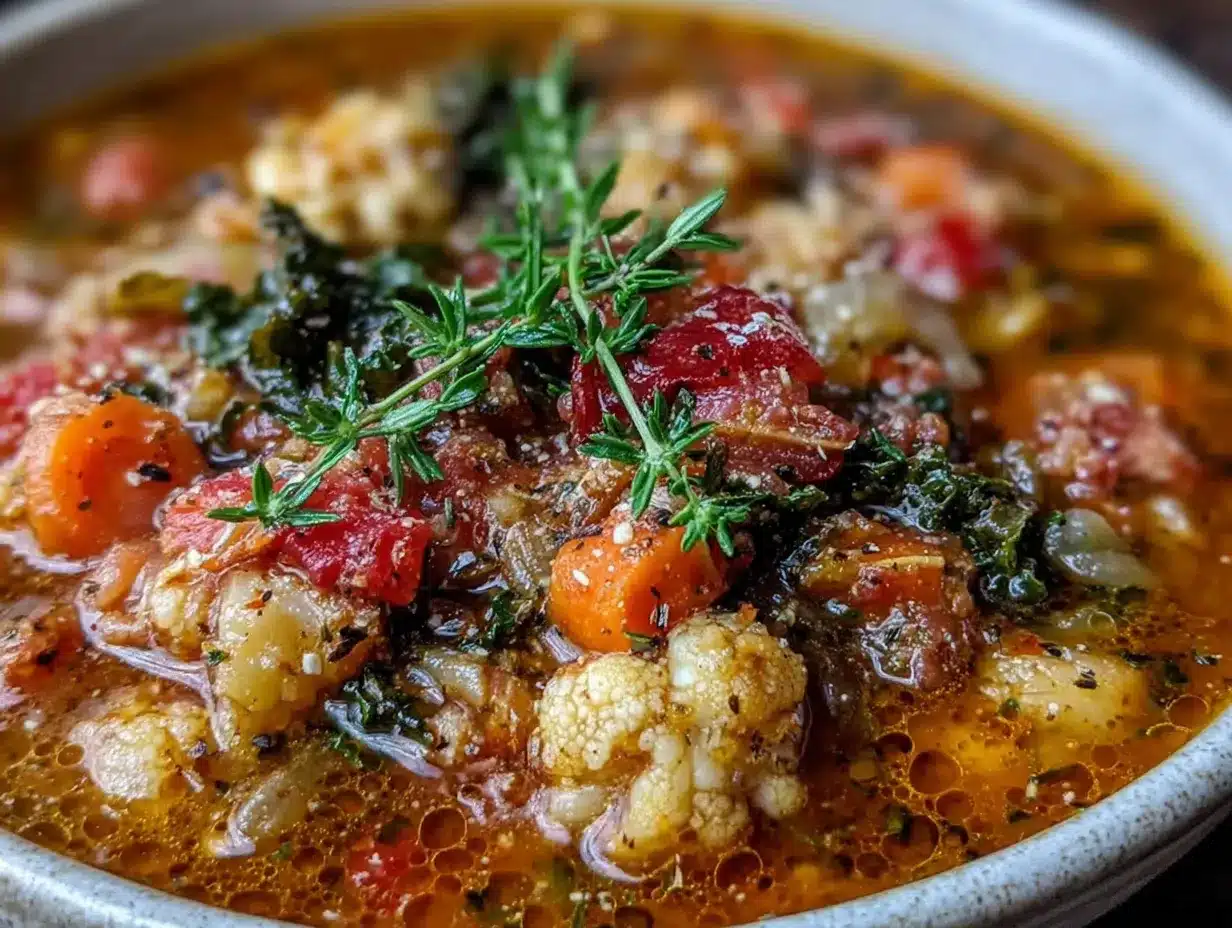
This method is designed to give you the best texture and flavor with the least effort. Follow these steps, and you’ll have a pot of soup that tastes like you fussed over it all day.
- Sauté the aromatics (10 minutes): Heat the olive oil in a large skillet over medium heat. Add the diced onion and cook for 4-5 minutes, stirring occasionally, until it becomes translucent and soft. Add the minced garlic and cook for another 30 seconds until fragrant. This step wakes up their flavors and gives the soup a deeper base. Don’t skip it—I tried once, and the soup tasted flat.
- Layer the hearty vegetables: Transfer the sautéed onions and garlic to your crockpot. Add the chopped carrots, celery, potatoes, and green beans. These vegetables take longer to cook, so they go in first. Give them a quick stir with a wooden spoon.
- Add the liquids and seasonings: Pour in the vegetable broth and the can of diced tomatoes with their juices. Add the tomato paste, dried thyme, dried oregano, bay leaf, salt, and black pepper. Stir everything together until the tomato paste dissolves into the broth. The liquid should cover the vegetables—if it doesn’t, add a little more broth or water.
- Cook on low for 6-7 hours or high for 3-4 hours: Cover the crockpot and set it. Low and slow gives the best flavor, but high works if you’re short on time. About 30 minutes before the cooking time is up, check the potatoes and carrots with a fork. They should be tender but not falling apart.
- Add the tender vegetables (30 minutes before serving): Stir in the chopped zucchini and frozen peas. These only need a short time to cook—zucchini can get mushy if left too long. Cover and let them cook for the remaining 30 minutes. The peas will thaw and warm through, and the zucchini will soften just enough.
- Finish and adjust seasoning: Remove the bay leaf and discard it. Taste the soup and add more salt or pepper if needed. I usually add another ½ teaspoon of salt at this point because the vegetables absorb a lot during cooking. Stir in the fresh parsley if you’re using it.
- Serve hot: Ladle the soup into bowls and enjoy immediately. The broth should be rich and savory, the vegetables tender but distinct. If the soup seems too thick, stir in a little extra broth or water to reach your preferred consistency.
Visual cue: The broth will look slightly darkened and smell deeply savory when it’s ready. The carrots should be easily pierced with a fork but not falling apart. If the potatoes are breaking down too much, you’ve cooked them a bit too long—still delicious, just less structured.
Personal tip: I like to add a squeeze of lemon juice right before serving. It brightens everything up without making the soup taste lemony. Just a teaspoon per bowl does the trick.
Cooking Tips & Techniques
After making this soup probably two dozen times, I’ve picked up a few tricks that make a real difference. Here’s what I’ve learned the hard way so you don’t have to.
Don’t skip the sauté step. I know it’s tempting to throw everything in the crockpot raw and call it a day. I tried that once when I was in a hurry, and the soup tasted flat and one-dimensional. Sautéing the onions and garlic for just a few minutes unlocks their natural sugars and creates a flavor foundation that slow cooking alone can’t replicate. It’s a small step with big payoff.
Layer your vegetables by cooking time. This is the most important technique in this recipe. Hearty vegetables like carrots, potatoes, and celery need hours to become tender. Delicate ones like zucchini and peas turn to mush if they’re in there the whole time. Adding them in stages means every vegetable ends up at its best texture. I learned this after a particularly sad batch of soup where the zucchini had practically dissolved.
Use low heat whenever possible. High heat works in a pinch, but low heat gives the flavors more time to meld and develop. The broth becomes richer, the vegetables absorb more seasoning, and the overall result tastes like it simmered all day—because it did. If you’re using a programmable crockpot, set it to low for 7 hours and forget about it.
Season at the end. Vegetables absorb salt as they cook, so what tastes perfectly seasoned at the start might taste bland at the end. I always add a little extra salt and pepper after the soup is done cooking. Taste, adjust, taste again. It’s the only way to get it right.
Let it rest. If you have time, let the soup sit in the crockpot on warm for 30 minutes after it’s done cooking. The flavors continue to develop and meld during this resting period. I’ve noticed a real difference between soup served immediately and soup that’s had a little time to settle.
Variations & Adaptations
This soup is incredibly flexible, and I’ve tried several variations over the years. Here are some of my favorites.
Hearty protein version: Add 1 can of drained and rinsed chickpeas or white beans along with the hearty vegetables. They hold up well during long cooking and add protein and fiber. If you eat meat, you can add cooked shredded chicken or crumbled Italian sausage during the last 30 minutes.
Herb-forward twist: Swap the dried thyme and oregano for 2 teaspoons of dried Italian seasoning or herbes de Provence. Fresh herbs like rosemary or sage can also be added—just use a sprig of rosemary and remove it before serving, as the leaves can be tough.
Low-carb adaptation: Replace the potatoes with cauliflower florets or chopped turnips. Add them at the same time as the carrots and celery. The texture is slightly different, but the soup is just as satisfying. You can also double the zucchini and green beans to make up the volume.
Spicy kick: Add ½ teaspoon of red pepper flakes along with the dried herbs, or stir in a chopped jalapeño (seeds removed unless you want real heat) when you sauté the onions. A dash of hot sauce at the table works too.
Seasonal swaps: In summer, use fresh tomatoes instead of canned—just peel and chop them first. In winter, add cubed butternut squash or sweet potatoes along with the carrots. I made a version with parsnips and turnips last January that was surprisingly good.
My personal variation: I sometimes add a parmesan rind to the broth while it cooks. It infuses the soup with a subtle nutty, salty flavor without making it cheesy. Just fish it out before serving. A friend who runs an Italian restaurant tipped me off to this trick, and it’s become my secret weapon.
Serving & Storage Suggestions
This soup is wonderful right off the stove, but it also stores beautifully, making it perfect for meal prep or lazy leftovers.
Serving temperature and presentation: Serve the soup piping hot in deep bowls. I like to garnish each bowl with a sprinkle of fresh parsley and a crack of black pepper. A drizzle of good olive oil right before serving adds a lovely richness. For a heartier meal, serve with a slice of crusty bread or a simple side salad. The bread is perfect for sopping up the last bits of broth.
Complementary dishes: This soup pairs beautifully with a grilled cheese sandwich, a warm baguette with butter, or a simple green salad with lemon vinaigrette. If you’re serving it as a starter, follow it with a roasted chicken or a pasta dish. For a cozy night in, just the soup and some bread is all you need.
Storage instructions: Let the soup cool completely before transferring it to airtight containers. It will keep in the refrigerator for up to 5 days. The flavors actually get better after a day or two as they meld together. For longer storage, portion the soup into freezer-safe containers or zip-top bags, leaving an inch of headroom for expansion. It freezes well for up to 3 months.
Reheating methods: To reheat, transfer the soup to a saucepan and warm over medium heat, stirring occasionally, until hot. You can also microwave individual portions in a microwave-safe bowl for 2-3 minutes, stirring halfway through. If the soup has thickened during storage, add a splash of broth or water to loosen it up. The vegetables will be softer after freezing and reheating, but the soup will still be delicious.
Flavor development note: I’ve noticed that this soup tastes even better on day two. The herbs have more time to infuse the broth, and the vegetables absorb more of the savory liquid. If you can plan ahead, making this soup a day before you want to serve it is a smart move.
Nutritional Information & Benefits
This soup is packed with nutrients, and I love that it makes me feel good while tasting great. Here’s a rough breakdown per serving (based on 6 servings).
| Nutrient | Amount per Serving |
|---|---|
| Calories | 180-220 |
| Total Fat | 5g |
| Saturated Fat | 1g |
| Cholesterol | 0mg |
| Sodium | 650-800mg (varies by broth) |
| Total Carbohydrates | 32g |
| Dietary Fiber | 8g |
| Sugars | 10g (natural from vegetables) |
| Protein | 5g |
| Vitamin A | 180% DV |
| Vitamin C | 35% DV |
| Potassium | 850mg |
Health benefits: This soup is loaded with fiber from the variety of vegetables, which supports digestive health and keeps you full. The carrots provide a massive dose of vitamin A for eye health and immune function. Potatoes offer potassium, which helps regulate blood pressure. The lycopene in tomatoes is a powerful antioxidant, and it’s actually more bioavailable when cooked. This is a low-fat, vegan-friendly meal that’s naturally gluten-free if you use certified gluten-free broth.
Dietary considerations: This recipe is vegan, dairy-free, and nut-free as written. To make it gluten-free, ensure your vegetable broth is certified gluten-free. For a lower-sodium version, use no-salt-added broth and reduce the added salt.
My wellness perspective: I don’t believe in “clean eating” as a rigid rule, but I do believe in eating food that makes you feel good. This soup does that for me. It’s warm, nourishing, and full of real ingredients. No weird additives, no hidden sugars—just vegetables and broth doing their thing.
Conclusion
This cozy set-and-forget crockpot vegetable soup has become a staple in my kitchen for good reason. It’s the recipe I turn to when I need comfort without complexity, nourishment without effort. Rosa’s simple wisdom—let the pot do the work—has saved me on countless busy evenings and lazy Sundays alike.
I hope you’ll make this soup your own. Swap in whatever vegetables you have on hand. Adjust the seasonings to your taste. Add a protein if you want it heartier. That’s the beauty of a recipe like this—it’s a starting point, not a rulebook. The first time you make it, follow the method. The second time, start experimenting. You might discover a combination that becomes your signature version.
I’d love to hear how it turns out for you. Did you add something unexpected? Did your family ask for seconds? Drop a comment below and share your version. And if you know someone who needs a little comfort food in their life right now, send them this recipe. Sometimes the best thing we can do is share something warm and good.
Now go chop some vegetables and let that crockpot work its magic. You deserve an easy dinner tonight.
Frequently Asked Questions
Can I use frozen vegetables instead of fresh?
Absolutely. Frozen vegetables are a great time-saver for this recipe. Add frozen carrots, green beans, and peas directly to the crockpot without thawing. Keep in mind that frozen vegetables release more water, so your soup might be slightly thinner. You can reduce the broth by half a cup to compensate, or just enjoy a more brothy soup.
How do I prevent my soup from becoming too watery?
This usually happens when zucchini or other high-water vegetables are added too early. Stick to the method of adding tender vegetables in the last 30 minutes. If your soup still turns out watery, remove the lid for the last 30 minutes of cooking to let some steam escape and the broth concentrate. You can also mash a few of the potatoes against the side of the pot to thicken things naturally.
Can I make this soup on the stovetop instead?
Yes, and it’s almost as easy. After sautéing the aromatics in a large pot, add the hearty vegetables, broth, tomatoes, and seasonings. Bring to a boil, then reduce to a simmer. Cover and cook for 25-30 minutes until the potatoes and carrots are tender. Add the zucchini and peas and cook for another 10 minutes. The flavor won’t be quite as deep as the slow-cooked version, but it’s still very good.
What’s the best way to thicken this soup if I want it heartier?
You have a few options. Blend about 1 cup of the cooked soup (avoiding the bay leaf) in a blender until smooth, then stir it back into the pot. This creates a thicker, creamier texture without adding anything else. Alternatively, you can mash some of the potatoes directly in the pot with a potato masher. For a completely different texture, stir in ½ cup of cooked barley or quinoa at the end.
How long does this soup last in the refrigerator?
Properly stored in an airtight container, this soup will stay good for 4-5 days in the refrigerator. The flavors actually improve after a day or two. If you’re planning to eat it over several days, I recommend storing the soup without the parsley garnish and adding it fresh when you reheat. The soup also freezes beautifully for up to 3 months.
PrintCozy Set-and-Forget Crockpot Vegetable Soup (Easy & Healthy Dinner)

A hands-off, nourishing vegetable soup made in the crockpot with layered vegetables for perfect texture. This budget-friendly, vegan-friendly recipe is perfect for meal prep and tastes even better the next day.
- Prep Time: 15 minutes
- Cook Time: 6-7 hours (low) or 3-4 hours (high)
- Total Time: 6 hours 15 minutes to 7 hours 15 minutes (low) or 3 hours 15 minutes to 4 hours 15 minutes (high)
- Yield: 6 servings 1x
- Category: Main Course
- Cuisine: American
Ingredients
- 2 tablespoons olive oil
- 1 large yellow onion, diced
- 4 garlic cloves, minced
- 3 medium carrots, peeled and chopped into 1/2-inch pieces
- 3 celery stalks, chopped
- 2 medium russet potatoes, peeled and cubed into 1-inch pieces
- 1 medium zucchini, chopped into 1/2-inch pieces
- 1 cup green beans, trimmed and cut into 1-inch pieces
- 1 can (14.5 ounces) diced tomatoes, with juices
- 4 cups vegetable broth (low-sodium recommended)
- 2 tablespoons tomato paste
- 1 teaspoon dried thyme
- 1 teaspoon dried oregano
- 1 bay leaf
- 1 teaspoon salt, plus more to taste
- 1/2 teaspoon black pepper, freshly ground
- 1 cup frozen peas
- 1/4 cup fresh parsley, chopped (for garnish)
Instructions
- Sauté the aromatics: Heat olive oil in a large skillet over medium heat. Add diced onion and cook for 4-5 minutes until translucent. Add minced garlic and cook for 30 seconds until fragrant.
- Layer the hearty vegetables: Transfer sautéed onions and garlic to the crockpot. Add chopped carrots, celery, potatoes, and green beans. Stir to combine.
- Add liquids and seasonings: Pour in vegetable broth and diced tomatoes with juices. Add tomato paste, dried thyme, dried oregano, bay leaf, salt, and black pepper. Stir until tomato paste dissolves.
- Cook on low for 6-7 hours or high for 3-4 hours. About 30 minutes before the end, check potatoes and carrots with a fork—they should be tender but not falling apart.
- Add tender vegetables: Stir in chopped zucchini and frozen peas. Cover and cook for the remaining 30 minutes.
- Finish and adjust seasoning: Remove bay leaf and discard. Taste and add more salt or pepper if needed. Stir in fresh parsley if using.
- Serve hot: Ladle into bowls. If soup is too thick, stir in extra broth or water to reach desired consistency.
Notes
For best texture, add tender vegetables (zucchini and peas) in the last 30 minutes. Sautéing onions and garlic is essential for flavor depth. Season at the end as vegetables absorb salt during cooking. Let soup rest on warm for 30 minutes after cooking for enhanced flavor. A squeeze of lemon juice before serving brightens the soup. For a thicker soup, blend 1 cup of cooked soup and stir back in, or mash some potatoes in the pot.
Nutrition
- Serving Size: 1 bowl (about 1.5 cu
- Calories: 200
- Sugar: 10
- Sodium: 725
- Fat: 5
- Saturated Fat: 1
- Carbohydrates: 32
- Fiber: 8
- Protein: 5
Keywords: crockpot vegetable soup, slow cooker soup, healthy vegetable soup, easy dinner, meal prep soup, vegan soup, gluten-free soup, comfort food