This isn’t just another salmon recipe. Honestly, it’s the one that actually works on a Tuesday night when you’re staring at the fridge wondering what’s for dinner. The honey garlic glaze does this magical thing—it caramelizes in the oven, creating a sticky, glossy finish that makes the salmon look like something from a fancy restaurant. But it takes almost no effort. That’s the whole point.
- Ready in 20 Minutes: From fridge to table in the time it takes to make rice. No exaggeration.
- Pantry-Friendly Ingredients: You probably have everything already. Honey, soy sauce, garlic, salmon. That’s it.
- Perfect for Busy Weeknights: When you want something that feels special but doesn’t require a nap afterwards.
- Kid-Approved: The sweet-savory combo wins over even the pickiest eaters. My nephew calls it “candy fish.”
- One Pan, Minimal Mess: Line the baking sheet with foil, and cleanup takes about 30 seconds.
What makes this version different from all the other honey garlic salmon recipes out there? It’s the ratio. I spent way too many batches figuring out the perfect balance of honey to soy sauce to garlic—enough sweetness to caramelize, enough salt to keep it savory, and enough garlic to make your kitchen smell incredible. Not too thin, not too thick. It coats each bite just right.
This is the kind of meal that makes you feel like you’ve got your life together, even if you’re eating it standing at the counter. No judgment here.
What Ingredients You Will Need
This recipe uses simple, wholesome ingredients that come together to create something genuinely delicious. Most of these are probably already in your kitchen, which is exactly how I like it.
For the Salmon
- 4 salmon fillets (about 6 ounces each, skin-on or skinless—both work great)
- Salt and black pepper, to taste
- 1 tablespoon olive oil (for brushing the pan or foil)
For the Honey Garlic Glaze
- 1/3 cup honey (use a good quality honey—the flavor really comes through)
- 3 tablespoons soy sauce (low-sodium works best so it doesn’t get too salty)
- 4 cloves garlic, minced (fresh is non-negotiable here—don’t use the jarred stuff)
- 1 tablespoon rice vinegar (adds a subtle tang that balances the sweetness)
- 1 teaspoon sesame oil (optional but highly recommended for that nutty finish)
- 1/2 teaspoon red pepper flakes (optional, for a little heat)
For Garnish (Optional but Pretty)
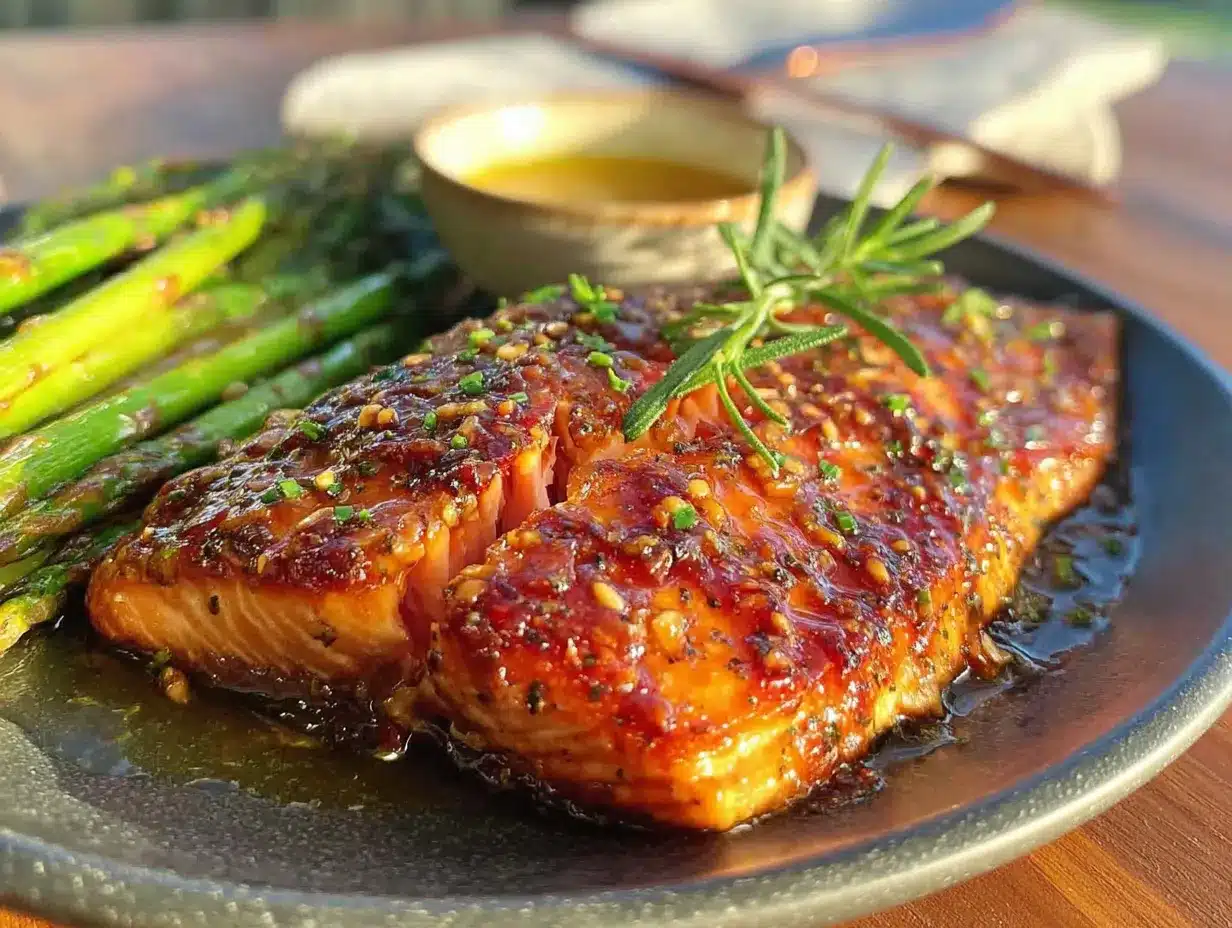
- Sesame seeds, toasted
- Chopped green onions
- Fresh cilantro or parsley
When it comes to salmon, I prefer wild-caught when I can find it, but farm-raised Atlantic salmon works beautifully here too. The key is looking for fillets that are similar in thickness so they cook evenly. If you’re using frozen salmon, just make sure it’s fully thawed and patted dry before you start—wet salmon won’t get that beautiful caramelized glaze.
For the honey, any variety works, but I’ve found that a lighter, milder honey lets the garlic shine through better. If you only have a dark, robust honey, just reduce it slightly so it doesn’t overpower everything.
Equipment Needed
You don’t need much here, which is part of the beauty of this recipe. Here’s what you’ll need:
- Baking sheet or rimmed sheet pan (a half-sheet pan is perfect)
- Parchment paper or aluminum foil (for easy cleanup—trust me on this)
- Small bowl (for whisking the glaze together)
- Whisk or fork (to mix the glaze)
- Pastry brush (optional, but helpful for spreading the glaze evenly)
- Instant-read thermometer (not required, but takes the guesswork out of doneness)
If you don’t have a pastry brush, just use a spoon to drizzle the glaze over the salmon. I’ve done it a hundred times and it works fine. And if you don’t have an instant-read thermometer? Cook the salmon until it flakes easily with a fork—that’s the old-school method and it never fails.
Preparation Method
Alright, let’s get cooking. This comes together fast, so have everything ready before you start.
- Preheat your oven to 400°F (200°C). Position the rack in the middle of the oven. While it’s heating, line your baking sheet with parchment paper or foil. If using foil, brush it lightly with olive oil so the salmon doesn’t stick.
- Make the honey garlic glaze. In a small bowl, whisk together the honey, soy sauce, minced garlic, rice vinegar, sesame oil (if using), and red pepper flakes (if using). Set aside about 2 tablespoons of the glaze for brushing on later—this keeps it from burning.
- Prep the salmon. Pat the salmon fillets dry with paper towels. This step matters more than you think—dry salmon gets a better sear and absorbs the glaze better. Season both sides with salt and pepper. Place the fillets skin-side down on the prepared baking sheet, spacing them at least an inch apart.
- Brush with glaze. Using your pastry brush or a spoon, coat each fillet generously with the glaze. Don’t drown them, but make sure every surface is covered. Reserve the remaining glaze for later.
- Bake for 10 minutes. Pop the salmon in the oven and set a timer. At the 10-minute mark, pull the pan out and brush another layer of glaze over the fillets. This double-glaze method is the secret to that sticky, caramelized finish.
- Finish baking. Return the salmon to the oven and bake for another 3-5 minutes, depending on thickness. For medium-rare (my preference), aim for 125°F internal temperature. For medium, go to 130-135°F. The salmon will continue cooking slightly after you pull it out, so don’t overdo it.
- Optional broil for extra caramelization. If you want that gorgeous, slightly charred top, switch the oven to broil for the last 1-2 minutes. Watch it carefully—broiling can go from perfect to burnt in seconds.
- Rest and serve. Let the salmon rest on the pan for 2-3 minutes. This lets the juices redistribute and the glaze set. Sprinkle with sesame seeds and green onions, then serve immediately.
A few things I’ve learned the hard way: Don’t skip the patting-dry step. Wet salmon steams instead of bakes, and you’ll end up with pale, sad fillets. Also, resist the urge to open the oven door every two minutes. Let that heat do its work.
Cooking Tips & Techniques
After making this probably fifty times, I’ve picked up some tricks that make a real difference.
Room temperature salmon cooks more evenly. Let your fillets sit out for about 15 minutes before baking. Cold-from-the-fridge salmon cooks unevenly—the outside gets done while the middle stays raw. I learned this after one too many disappointing batches.
Don’t overcrowd the pan. If you’re doubling the recipe, use two baking sheets or cook in batches. When salmon fillets are too close together, they steam instead of roast, and you lose that beautiful caramelization.
Watch the garlic. Fresh garlic burns faster than you think. That’s why I recommend reserving some glaze for the second brush—the garlic in the first layer has already caramelized, so the fresh garlic in the second layer stays fragrant and slightly sweet instead of turning bitter.
Line your pan. I cannot stress this enough. The honey glaze gets sticky and can be a nightmare to scrub off. Parchment paper or foil makes cleanup effortless. Your future self will thank you.
Use an instant-read thermometer. This was a game-changer for me. Salmon is expensive, and overcooking it is heartbreaking. A thermometer takes the guesswork out completely. If you make salmon regularly, it’s worth the investment.
Let it rest. I know it’s tempting to dig in immediately, but those 2-3 minutes of rest time make a difference. The carryover cooking finishes the salmon gently, and the glaze sets into a sticky, glossy coating that stays on the fish instead of sliding off onto your plate.
Variations & Adaptations
One of the best things about this recipe is how easy it is to adapt. Here are some of my favorite variations:
Spicy Honey Garlic Salmon
Double the red pepper flakes and add a teaspoon of sriracha or gochujang to the glaze. The heat cuts through the sweetness beautifully. If you love spicy food, this is your version. I actually have a honey sriracha glazed salmon recipe that takes this idea even further.
Lemon Honey Garlic Salmon
Add the zest of one lemon and a tablespoon of fresh lemon juice to the glaze. The acidity brightens everything up and makes it feel lighter. Perfect for spring or summer when you want something fresh.
Air Fryer Version
Cook at 375°F for 8-10 minutes, brushing with glaze halfway through. The air fryer gives you an even crispier exterior. Just make sure your fillets fit in a single layer without touching.
Grilled Version
Grill over medium-high heat for 4-5 minutes per side, brushing with glaze as you go. The smokiness from the grill adds another layer of flavor. Use a well-oiled grill basket or foil packet to prevent sticking.
Dietary Adaptations
For a gluten-free version, swap the soy sauce for tamari or coconut aminos. For a lower-sugar option, reduce the honey to 1/4 cup and add an extra tablespoon of rice vinegar. And if you’re dairy-free, you’re already good to go—this recipe is naturally dairy-free.
I once tried this with maple syrup instead of honey when I ran out mid-recipe. It was actually pretty good—different, but good. Maple gives it a warmer, more earthy sweetness. Just something to keep in mind if you’re experimenting.
Serving & Storage Suggestions
This salmon is incredibly versatile when it comes to serving. Here’s how I like to enjoy it:
Serve it hot. The salmon is best served straight from the oven, while the glaze is still sticky and glossy. I love it over a bed of steamed jasmine rice or creamy parmesan risotto—the rice soaks up all that extra glaze. It’s also fantastic with roasted vegetables like asparagus, broccoli, or green beans. For a lighter option, serve it on a bed of mixed greens with a simple vinaigrette.
Pair it with something fresh. The sweetness of the glaze pairs beautifully with something bright and acidic. A simple cucumber salad, some quick-pickled onions, or a squeeze of fresh lemon over everything really balances the flavors. I also love serving it alongside a fresh watermelon feta mint salad in the summer—the salty feta and sweet watermelon complement the honey garlic perfectly.
Storage. Leftover salmon keeps in an airtight container in the refrigerator for up to 3 days. The glaze will set and firm up, but that’s totally fine. To reheat, place the salmon in a 300°F oven for about 5-7 minutes, or until warmed through. I don’t recommend microwaving it—the microwave tends to make fish rubbery and can make the glaze turn grainy.
Freezing. You can freeze cooked salmon for up to 2 months. Wrap each fillet individually in plastic wrap, then place them in a freezer bag. Thaw overnight in the refrigerator and reheat gently. The texture won’t be quite as perfect as fresh, but it’s still delicious for lunches or quick dinners.
One thing I’ve noticed: the flavors actually meld together even more overnight. Day-old salmon, cold, flaked over a salad? Absolutely delicious. Don’t sleep on leftovers.
Nutritional Information & Benefits
This recipe is not only delicious but also packed with nutrition. Here’s what you’re getting per serving (based on 4 servings):
| Nutrient | Amount Per Serving |
|---|---|
| Calories | 380 |
| Protein | 35g |
| Fat | 18g |
| Saturated Fat | 3g |
| Carbohydrates | 22g |
| Sugar | 19g |
| Sodium | 680mg |
| Omega-3 Fatty Acids | 2.5g |
Salmon is one of the best sources of omega-3 fatty acids, which are essential for heart and brain health. It’s also packed with high-quality protein, B vitamins, and selenium. The honey provides quick energy, and the garlic offers anti-inflammatory benefits. This is a meal that tastes indulgent but actually supports your health.
If you’re watching your sodium, use low-sodium soy sauce and reduce the salt in the seasoning. The glaze is naturally gluten-free if you use tamari instead of soy sauce, and it’s dairy-free as written.
Honestly, this is one of those rare recipes that feels like a treat but is genuinely good for you. That’s my favorite kind of meal.
Frequently Asked Questions
Can I use frozen salmon for this recipe?
Yes, but thaw it completely in the refrigerator first and pat it very dry with paper towels. Frozen salmon releases more moisture as it cooks, so drying it well is crucial for getting that caramelized glaze. I don’t recommend cooking it from frozen—the texture won’t be as good.
How do I know when the salmon is done?
The most reliable method is using an instant-read thermometer. Insert it into the thickest part of the fillet—you’re looking for 125°F for medium-rare or 130-135°F for medium. If you don’t have a thermometer, check if the salmon flakes easily with a fork and looks opaque all the way through.
Can I make the glaze ahead of time?
Absolutely. The glaze can be made up to 3 days in advance and stored in an airtight container in the refrigerator. Just give it a good whisk before using, as the honey will settle at the bottom. You can also double the glaze recipe and use half for marinating and half for brushing during cooking.
What if I don’t have rice vinegar?
No problem. You can substitute apple cider vinegar, white wine vinegar, or even fresh lemon juice. The acid is important for balancing the sweetness, but you have options. I’ve used lime juice in a pinch and it was lovely.
Can I use salmon with the skin on?
Yes, and I actually recommend it. The skin helps protect the delicate flesh from drying out, and it gets crispy and delicious in the oven. If you don’t like eating the skin, it peels off easily after cooking. Just place the fillets skin-side down on the baking sheet and don’t flip them.
Conclusion
This quick honey garlic baked salmon has become a staple in my kitchen for good reason. It’s fast enough for a frantic weeknight, but impressive enough for company. The glaze is that perfect balance of sweet, savory, and garlicky—the kind of flavor combination that makes you close your eyes after the first bite.
What I love most about this recipe is how forgiving it is. You can tweak the honey-to-soy ratio, add more or less garlic, throw in some extra spices—it almost always turns out delicious. It’s the kind of recipe that builds your confidence in the kitchen because it works every single time.
I’d love to hear how it goes for you. Did you add your own twist? Serve it with something unexpected? Leave a comment below and let me know—I read every single one. And if you’re looking for more quick dinner inspiration, check out my one-pan honey garlic chicken and vegetables for another weeknight winner.
Now go make some salmon. You’ve got this.
Pin This Recipe!
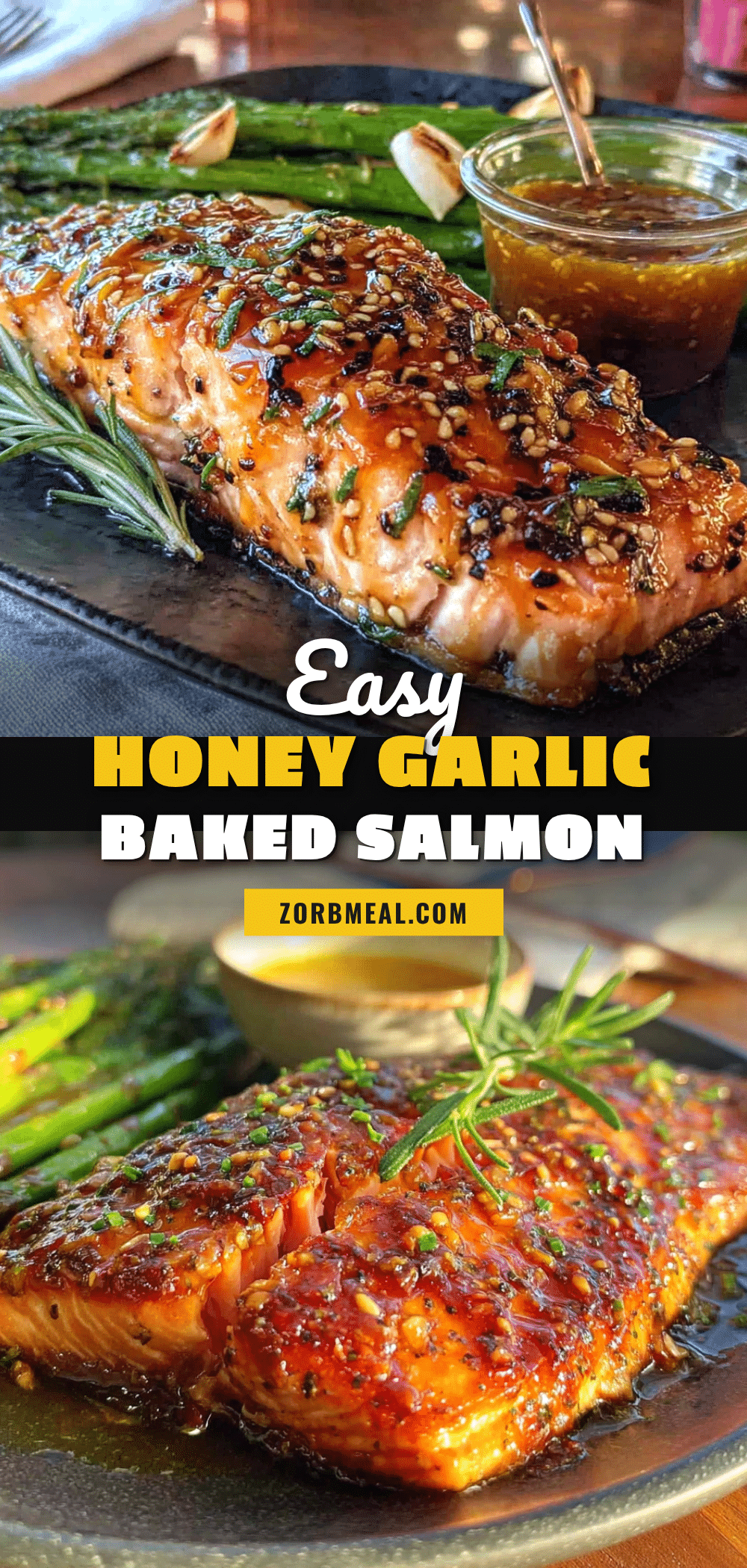
Quick Honey Garlic Baked Salmon: 20-Minute Easy Dinner

This isn’t just another salmon recipe. The honey garlic glaze caramelizes in the oven, creating a sticky, glossy finish that makes the salmon look like something from a fancy restaurant, but it takes almost no effort. Ready in 20 minutes from fridge to table.
- Prep Time: 5 minutes
- Cook Time: 15 minutes
- Total Time: 20 minutes
- Yield: 4 servings 1x
- Category: Main Course
- Cuisine: American
Ingredients
- 4 salmon fillets (about 6 ounces each, skin-on or skinless)
- Salt and black pepper, to taste
- 1 tablespoon olive oil
- 1/3 cup honey
- 3 tablespoons low-sodium soy sauce
- 4 cloves garlic, minced
- 1 tablespoon rice vinegar
- 1 teaspoon sesame oil (optional)
- 1/2 teaspoon red pepper flakes (optional)
- Sesame seeds, toasted (for garnish)
- Chopped green onions (for garnish)
- Fresh cilantro or parsley (for garnish)
Instructions
- Preheat your oven to 400°F (200°C). Position the rack in the middle of the oven. Line your baking sheet with parchment paper or foil. If using foil, brush it lightly with olive oil.
- In a small bowl, whisk together the honey, soy sauce, minced garlic, rice vinegar, sesame oil (if using), and red pepper flakes (if using). Set aside about 2 tablespoons of the glaze for later.
- Pat the salmon fillets dry with paper towels. Season both sides with salt and pepper. Place the fillets skin-side down on the prepared baking sheet, spacing them at least an inch apart.
- Using a pastry brush or spoon, coat each fillet generously with the glaze. Reserve the remaining glaze for later.
- Bake for 10 minutes. At the 10-minute mark, pull the pan out and brush another layer of glaze over the fillets.
- Return the salmon to the oven and bake for another 3-5 minutes, depending on thickness. For medium-rare, aim for 125°F internal temperature. For medium, go to 130-135°F.
- Optional: For extra caramelization, switch the oven to broil for the last 1-2 minutes. Watch carefully.
- Let the salmon rest on the pan for 2-3 minutes. Sprinkle with sesame seeds and green onions, then serve immediately.
Notes
Don’t skip patting the salmon dry—wet salmon steams instead of bakes. Let fillets sit at room temperature for 15 minutes before baking for even cooking. Use an instant-read thermometer for perfect doneness. Leftover salmon keeps in the refrigerator for up to 3 days. Reheat in a 300°F oven for 5-7 minutes; avoid microwaving.
Nutrition
- Serving Size: 1 fillet
- Calories: 380
- Sugar: 19
- Sodium: 680
- Fat: 18
- Saturated Fat: 3
- Carbohydrates: 22
- Protein: 35
Keywords: honey garlic salmon, baked salmon, quick dinner, weeknight dinner, salmon recipe, honey garlic glaze


